

When you open the Task Manager on your Windows computer, you may notice that there is a process called “Microsoft Word” running in the background. This can be quite puzzling, especially if you haven’t launched the Word application yourself. In this article, we will explore why Microsoft Word is running in Task Manager and what it means for your computer.
What is Task Manager?
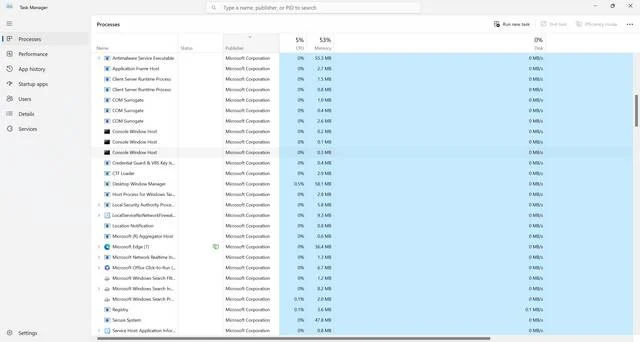
Before we delve into the reasons behind Microsoft Word running in Task Manager, let’s first understand what Task Manager is. Task Manager is a built-in utility in Windows that provides information about the processes, applications, and services running on your computer. It allows you to monitor system performance, manage startup programs, and end unresponsive tasks.
Why is Microsoft Word running in Task Manager?
There are several reasons why you might see the Microsoft Word process running in Task Manager:
- AutoRecover feature: Microsoft Word has an AutoRecover feature that automatically saves your documents at regular intervals. This feature helps you recover your work in case of a power outage or a system crash. The AutoRecover process runs in the background to ensure that your documents are constantly being saved.
- Background processes: Microsoft Word may run background processes even when you are not actively using the application. These processes include checking for updates, syncing with cloud storage services, and performing other maintenance tasks.
- Malware or virus: In some cases, the presence of Microsoft Word in Task Manager could be a sign of malware or a virus infection. Malicious software can disguise itself as legitimate processes to avoid detection. If you suspect malware or a virus, it is important to scan your computer with a reliable antivirus program like Malwarebytes Free to remove any threats.
How to determine if Microsoft Word in Task Manager is legitimate or malicious?
If you are unsure whether the Microsoft Word process running in Task Manager is legitimate or malicious, here are a few steps you can take to investigate:
- Check the file location: Right-click on the Microsoft Word process in Task Manager and select “Open file location.” This will open the folder where the executable file is located. If the file is located in the Microsoft Office folder (e.g., C:Program FilesMicrosoft OfficeOfficeXX), it is likely to be legitimate. However, if the file is located in a suspicious folder or has a different name, it could be a sign of malware.
- Scan for viruses or malware: As mentioned earlier, scanning your computer with a reputable antivirus program like Malwarebytes Free can help detect and remove any malicious software.
- Monitor system behavior: Keep an eye on your computer’s performance and behavior. If you notice any unusual activities, such as frequent crashes, slow performance, or unexpected pop-ups, it could indicate a malware infection.
Preventing Microsoft Word from running in Task Manager
If you find the Microsoft Word process running in Task Manager to be unnecessary or causing performance issues, you can take the following steps to prevent it:
- Disable AutoRecover: Open Microsoft Word, go to the “File” tab, select “Options,” and navigate to the “Save” section. Here, you can disable the AutoRecover feature or adjust the time interval for saving your documents.
- Disable background processes: In Microsoft Word, go to the “File” tab, select “Options,” and navigate to the “Advanced” section. Under the “General” category, uncheck the box that says “Show Word processes in Task Manager.” This will prevent Microsoft Word from running background processes when the application is not in use.
Summary
Seeing the Microsoft Word process running in Task Manager can be a cause for concern, but it is usually harmless. It is often related to the AutoRecover feature or background processes that Microsoft Word runs to ensure optimal performance. However, if you suspect malware or a virus, it is crucial to scan your computer with a reliable antivirus program like Malwarebytes Free to remove any threats.
By understanding the reasons behind Microsoft Word running in Task Manager and taking appropriate measures, you can ensure the smooth functioning of your computer and protect it from potential security risks.

Join the discussion
0 commentsShare your experience or ask a question about this article.
Discussion
Start the conversation
Have a question or something useful to share? Add the first comment.