

A cryptocurrency phishing scam has emerged falsely claiming to be an “Anonymus Exchange Platform Based on Web3 Technology” created by YouTuber MrBeast. This article will expose how this fraudulent platform tries to lure and deceive victims.
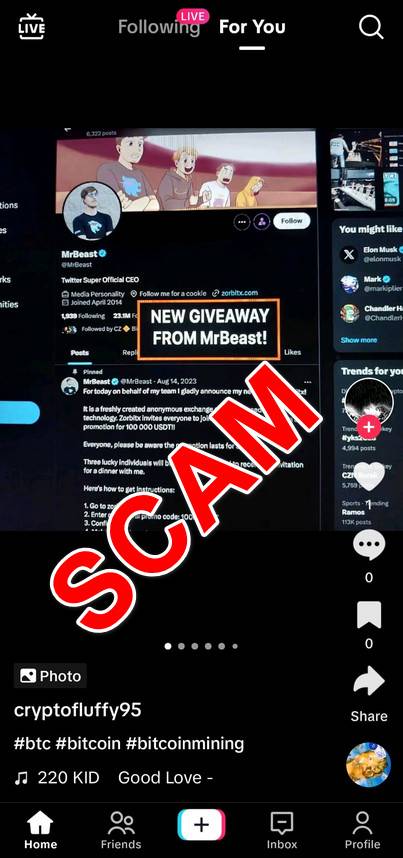
Scam Overview
Numerous fake cryptocurrency platforms have emerged promoting themselves as “Anonymus Exchange Platforms Based on Web3 Technology” supposedly created by MrBeast. However, these are outright fraudulent phishing scams with no real association to MrBeast.
Our extensive research into many such sites reveals they exhibit typical red flags – no verifiable details about actual ownership, location or registration are provided. The promotions abusing MrBeast’s brand and imagery are totally fabricated without his consent. Promises of lucrative crypto giveaways are completely fake, aimed at deceiving and trapping victims.
These scams are run by networks operating multiple fraudulent sites with different names but same scam tactics. By constantly creating new sites, they avoid detection and continue stealing funds.
Some common attributes across these cryptocurrency phishing scams:
- Fake celebrity endorsement of MrBeast used without permission
- False promises of large 100,000 USDT giveaways that simply do not exist
- Phishing attempts to steal personal data like IDs, home addresses and wallet keys
- Complete lack of any company documentation, location, registration or background
- Restrictions on withdrawals – deposited funds get embezzled
- Legal documents like Terms of Service copied from other known crypto scams
The scammers specifically target MrBeast fans, cryptocurrency owners, Web3 enthusiasts, social media users and referral seekers. They exploit beginners with limited crypto knowledge using deception, psychology and social engineering to lure them.
How the “MrBeast Anonymus Exchange” Crypto Scam Works
Here is an inside look at how this scam operates at each step:
Step 1 – Promotion on Social Media
The scam is spread via fake accounts on Facebook, Instagram, TikTok, Twitter and other platforms. The posts tout an “Anonymus Exchange Platform” created by MrBeast and link to referral codes for a promotion offering 100,000 USDT giveaway. Bots amplify the reach of such posts.
MrBeast’s brand and imagery are misused without consent to fabricate legitimacy. The promotion claims to bring Web3 opportunities to fans. Targets are MrBeast’s young and impressionable audience.
Step 2 – Directing Users to the Fraudulent Site
Interested users are directed to the scam platform’s website through links in posts.
The site has a polished look and claims to use advanced Web3 technology to further the deception. In reality, it is a phishing front.
Step 3 – Collecting Personal Information
To register for the fake giveaway, users must create an account by providing personal data like:
- Full name
- Home address
- Email ID and phone number
- Government ID scans
- Cryptocurrency wallet addresses
This data is stolen under the pretext of “identity verification”.
Step 4 – Asking for Deposits
After registering, users see 100,000 USDT in their account wallet. When they try to withdraw it, a message states they must first make a minimum deposit to “activate” withdrawals. Typically, 0.055 ETH is demanded at this stage. This deposit requirement is the bait to steal funds.
Step 5 – Blocking Access and Vanishing
Once any amount gets deposited, the scammers immediately block access to the account. The profile and transaction history gets erased. They stop responding to the victim, who has now lost their money and sensitive personal data.
Warning Signs of the “MrBeast Anonymus Exchange” Scam
Despite professional branding, many red flags reveal this platform is a total scam:
- No company details – No address, registration papers, documentation or background provided
- Fake celebrity endorsement – MrBeast is in no way associated with this scam
- Spelling/grammar errors – Numerous spelling and syntax errors
- High-pressure tactics – Creating fake urgency around the promotion
- Deposit required to withdraw – Forcing deposit before withdrawal is suspicious
- Sudden account blocking – Users get blocked after depositing crypto
- Copied legal pages – Terms, Privacy Policy, etc. are copies from other scams
- No customer service – No working contact method like email, phone, or live chat
These clear red flags indicate the “MrBeast Anonymus Exchange” platform is a fraudulent phishing front impersonating a legitimate Web3 crypto exchange.
Who Gets Targeted by This Scam?
This cryptocurrency scam predominantly targets:
- MrBeast fans – Leveraging MrBeast’s brand manipulates his young impressionable audience
- Cryptocurrency owners – Promises of free crypto rewards appeal to existing crypto asset holders
- Social media users – Spreading on Instagram, TikTok, etc. aims to lure less informed users
- Web3 enthusiasts – Buzzwords around Web3 technology attract those interested in blockchain advances
- Referral seekers – Recruiting users to share links aids the scam in spreading exponentially
The scam mainly exploits beginners with limited crypto experience who fall for “get rich quick” lures.
What to Do if You are a Victim of This Scam
If you lost money or data to the “MrBeast Anonymus Exchange” scam, remain calm and take these steps:
- Immediately cease all communication with the scammers
- Contact your bank or payments provider to halt transactions if possible
- Take account security measures like changing passwords, enabling 2FA
- Report the scam to authorities like FTC, CFTC, cybercrime divisions, social media sites, etc.
- Gather evidence like screenshots, emails, receipts to support your case
- Educate yourself about crypto phishing scams to avoid being deceived again
- Warn your friends and social networks so they can stay vigilant
- Seek emotional support from loved ones to recover
The quicker you act, the less severe your losses will be. Do not hesitate to seek assistance to heal after being exploited.
How to Avoid Crypto Scams Like This
Here are some tips to avoid falling victim to fraudulent platforms:
- Conduct thorough background research on any crypto platform before investing funds
- Be skeptical of celebrity endorsements – verify them directly through official channels
- Beware of guarantees of high returns – any promise of easy profits is suspicious
- Avoid platforms requiring upfront deposits before withdrawals
- Use strong unique passwords and enable two-factor authentication
- Do not share wallet keys, seed phrases or passwords openly
- Closely monitor account activity to detect unauthorized access
- Be vigilant of phishing attempts asking for sensitive personal information
Stay alert and exercise due caution when exploring any new crypto platform. Scrutinize for warning signs carefully before sending money or data.
Frequently Asked Questions
What exactly is this “MrBeast Anonymus Exchange” scam?
It is a fake cryptocurrency platform promoting fictitious giveaways of 100,000 USDT attributed to MrBeast. Its real intent is to phish for personal information and trap funds from victims.
How does the scam operate?
Operators promote it on social media, direct targets to a fraudulent website, collect personal data, persuade victims to deposit crypto to “activate” withdrawals, then block accounts and steal the funds.
What are red flags of this scam I should watch for?
Red flags include no company details, fake celebrity endorsement, spelling errors, deposit requirements, sudden account blocking, copied legal pages, and lack of customer service.
I unfortunately fell victim to this scam. What should I do now?
Immediately cease communication, notify relevant entities, take security precautions, gather evidence, educate yourself to avoid repeated deception, warn others, and seek emotional help.
What can I do to avoid such crypto scams in the future?
Steps like researching platforms thoroughly checking credentials, verifying celebrity claims, using strong unique passwords and two-factor authentication, monitoring account activity, and avoiding phishing attempts can help evade scams.
The Bottom Line
In summary, the “MrBeast Anonymus Exchange” is a fraudulent crypto platform using MrBeast’s brand without consent to lure victims. Fake promotions promise free crypto, but it ultimately aims to phish for sensitive user data and steal deposits.
Avoid falling into this scam’s traps by being vigilant of red flags, exercising caution with personal data sharing, using secure account practices, and vetting every platform thoroughly. Being informed is the best defense against such deceptive cryptocurrency phishing schemes.

Join the discussion
0 commentsShare your experience or ask a question about this article.
Discussion
Start the conversation
Have a question or something useful to share? Add the first comment.