

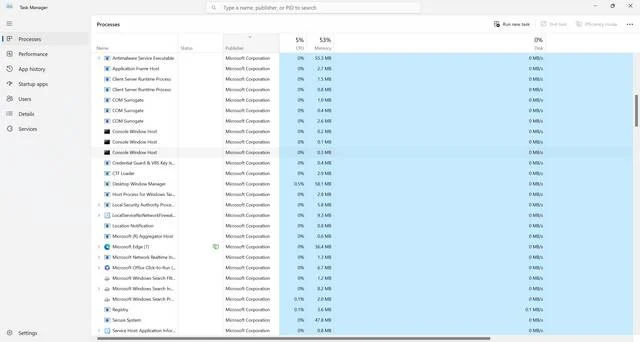
When you open the Windows Task Manager, you may come across a process called MRT.exe running in the background. This can be a cause for concern for some users who are unfamiliar with this executable file. In this article, we will explore what MRT.exe is, its purpose, and whether or not it should be removed from your system.
What is MRT.exe?
MRT.exe stands for Microsoft Removal Tool, also known as Windows Malicious Software Removal Tool. It is a legitimate executable file developed by Microsoft and included in Windows operating systems since Windows XP. The primary function of MRT.exe is to scan your computer for known malware and remove it.
Microsoft regularly releases updates for the Malicious Software Removal Tool to ensure it can detect and remove the latest threats. These updates are typically delivered through Windows Update, and the tool runs in the background to perform scheduled scans on your system.
Should I be concerned about MRT.exe?
Many users may be concerned when they see MRT.exe running in the Task Manager because it is an executable file that they are not familiar with. However, there is usually no need to worry as MRT.exe is a legitimate and essential component of Windows security.
MRT.exe is designed to run in the background and perform scans without interrupting your regular computer usage. It is a lightweight process that consumes minimal system resources, so it should not impact your computer’s performance significantly.
If you are concerned about the legitimacy of MRT.exe running on your system, you can verify its authenticity by checking its file location. The legitimate MRT.exe file is typically located in the “C:\Windows\System32” folder. If you find MRT.exe in any other location, it could be a sign of malware or a potentially unwanted program.
How does MRT.exe work?
MRT.exe works by utilizing a signature-based scanning method to detect and remove known malware from your computer. It compares the files on your system against a database of known malware signatures to identify any malicious files or processes.
When you run Windows Update, the Malicious Software Removal Tool is automatically downloaded and installed on your system. It then runs in the background, performing regular scans to detect and remove any malware that matches the signatures in its database.
It is important to note that MRT.exe is not a substitute for a comprehensive antivirus or antimalware solution. While it can detect and remove some known threats, it may not be able to detect newer or more sophisticated malware. Therefore, it is recommended to use a reliable antivirus program in conjunction with the Malicious Software Removal Tool for optimal protection.
How to run a scan with Malwarebytes Free?
If you suspect that your computer may be infected with malware, it is recommended to run a scan with a reputable antivirus or antimalware program. One such program is Malwarebytes Free, which is known for its effectiveness in detecting and removing malware.
To run a scan with Malwarebytes Free, follow these steps:
- Download and install Malwarebytes Free.
- Launch Malwarebytes Free and click on the “Scan” tab.
- Click on the “Start Scan” button to initiate a scan of your system.
- Wait for the scan to complete. Malwarebytes Free will automatically detect and remove any malware it finds.
- Follow any additional prompts or instructions provided by Malwarebytes Free to ensure your system is clean.
Running regular scans with Malwarebytes Free can help you identify and remove any malware that may be present on your system, providing an additional layer of protection alongside the Malicious Software Removal Tool.
Conclusion
MRT.exe, also known as the Microsoft Removal Tool or Windows Malicious Software Removal Tool, is a legitimate executable file developed by Microsoft. It is designed to scan your computer for known malware and remove it. There is usually no need to be concerned about MRT.exe running in the background, as it is an essential component of Windows security.
While MRT.exe can detect and remove some known threats, it is not a substitute for a comprehensive antivirus or antimalware solution. It is recommended to use a reliable antivirus program in conjunction with the Malicious Software Removal Tool for optimal protection against malware.
If you suspect that your computer may be infected with malware, running a scan with a reputable antivirus or antimalware program such as Malwarebytes Free can help identify and remove any malicious files or processes.
Remember to stay vigilant and keep your operating system and security software up to date to ensure the best possible protection against malware and other threats.

Join the discussion
0 commentsShare your experience or ask a question about this article.
Discussion
Start the conversation
Have a question or something useful to share? Add the first comment.