

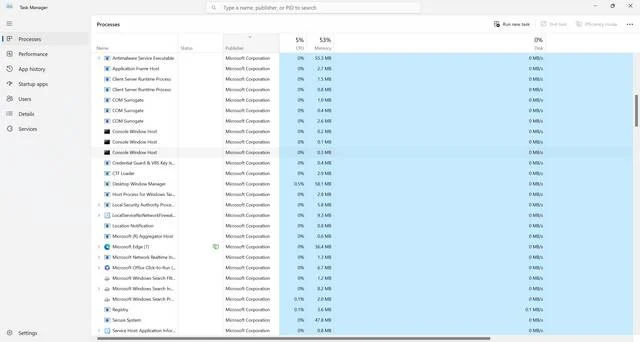
When you open the Task Manager on your Windows computer, you may notice a process called “MSI Dragon Center” running in the background. This might raise some questions: What is MSI Dragon Center? Why is it running? Is it necessary for my computer’s performance? In this article, we will delve into the details of the MSI Dragon Center process and provide valuable insights to help you understand its purpose and functionality.
What is MSI Dragon Center?
MSI Dragon Center is a software application developed by MSI (Micro-Star International), a leading manufacturer of computer hardware products. It is designed to provide users with a centralized control panel for managing various aspects of their MSI gaming laptops and desktops. The Dragon Center offers a range of features and functionalities, including system monitoring, performance optimization, RGB lighting control, and more.
Why is MSI Dragon Center running in Task Manager?
When you see the MSI Dragon Center process running in the Task Manager, it indicates that the software is actively running in the background. The process is responsible for ensuring that the Dragon Center’s functionalities are available and accessible to the user. It allows you to monitor system performance, adjust fan speeds, customize RGB lighting, and perform other tasks related to optimizing your MSI gaming system.
It’s worth noting that the MSI Dragon Center process is not a malicious or harmful process. It is a legitimate software component developed by MSI and is essential for the proper functioning of the Dragon Center application. However, if you notice any unusual behavior or performance issues related to the Dragon Center, it is recommended to scan your system for viruses or malware using a reliable security software like Malwarebytes Free.
Key Features of MSI Dragon Center
The MSI Dragon Center offers a wide range of features and functionalities that enhance the gaming experience and allow users to optimize their MSI gaming systems. Some of the key features include:
- System Monitoring: The Dragon Center provides real-time monitoring of system performance, including CPU usage, GPU temperature, fan speeds, and more. This allows users to keep track of their system’s health and make necessary adjustments.
- Performance Optimization: With the Dragon Center, users can optimize their system’s performance by adjusting power settings, overclocking the CPU and GPU, and prioritizing resources for gaming applications.
- RGB Lighting Control: Many MSI gaming systems come with customizable RGB lighting. The Dragon Center allows users to control and customize the lighting effects, creating a personalized gaming setup.
- System Tuning: The Dragon Center offers various tuning options, such as adjusting fan speeds, optimizing network settings, and managing system resources, to ensure optimal performance during gaming sessions.
- Hardware Monitoring: Users can monitor the status of their hardware components, such as CPU, GPU, and RAM, to identify any potential issues or bottlenecks that may affect performance.
Should I Disable MSI Dragon Center?
Whether you should disable the MSI Dragon Center process depends on your specific needs and preferences. If you are not using any of the Dragon Center’s features or functionalities and find that it consumes a significant amount of system resources, you may consider disabling it to free up resources for other applications.
However, it’s important to note that disabling the Dragon Center may prevent you from accessing certain features and functionalities that you may find useful. If you are unsure about whether to disable it or not, it is recommended to consult the user manual or support resources provided by MSI for guidance.
Conclusion
The MSI Dragon Center process running in the Task Manager is a legitimate component of the Dragon Center software developed by MSI. It provides users with a centralized control panel for managing various aspects of their MSI gaming systems. The Dragon Center offers features such as system monitoring, performance optimization, RGB lighting control, and more.
While the Dragon Center process is not harmful, it is always a good practice to scan your system for viruses or malware if you notice any unusual behavior or performance issues related to the Dragon Center. Tools like Malwarebytes Free can help ensure the security and integrity of your system.
Ultimately, whether to disable the Dragon Center process or not depends on your specific needs and preferences. If you are not using its features and find it consuming excessive resources, you may consider disabling it. However, be aware that disabling it may limit your access to certain functionalities. It is recommended to consult the user manual or support resources provided by MSI for further guidance.
Understanding the purpose and functionality of the MSI Dragon Center process can help you make informed decisions about its usage and optimize your gaming experience on MSI systems.

Join the discussion
0 commentsShare your experience or ask a question about this article.
Discussion
Start the conversation
Have a question or something useful to share? Add the first comment.