

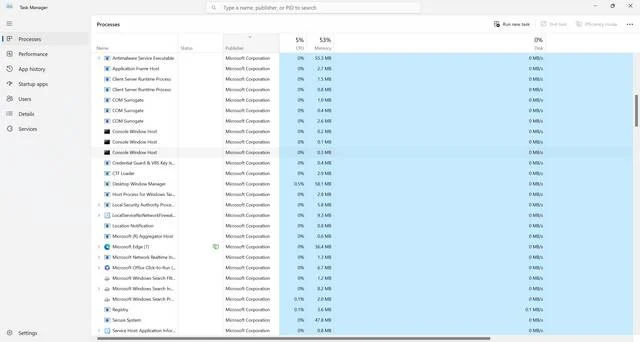
When you open the Task Manager on your Windows computer, you may notice a process called “MSI Gaming Center” running in the background. This can be a cause for concern for some users who are unfamiliar with this process and its purpose. In this article, we will explore what the MSI Gaming Center process is, why it is running in Task Manager, and whether or not it poses any risks to your computer.
What is MSI Gaming Center?
MSI Gaming Center is a software application developed by MSI (Micro-Star International), a leading manufacturer of gaming laptops, motherboards, and graphics cards. The MSI Gaming Center provides users with a centralized hub to control and customize various gaming-related settings on their MSI devices.
The software offers features such as overclocking, fan control, RGB lighting customization, and system monitoring. It allows gamers to optimize their hardware performance, adjust cooling settings, and personalize the visual aesthetics of their gaming setup.
Why is MSI Gaming Center Running in Task Manager?
When you see the MSI Gaming Center process running in Task Manager, it simply means that the software is actively running in the background. The process is necessary for the proper functioning of the MSI Gaming Center application and ensures that all the features and settings are available to the user.
MSI Gaming Center runs as a background process to provide real-time monitoring and control over your gaming hardware. It constantly communicates with the hardware components, such as the CPU, GPU, and cooling system, to provide accurate information and enable adjustments on the fly.
By running in the background, MSI Gaming Center can quickly respond to any changes in hardware conditions and provide instant feedback to the user. This allows gamers to make necessary adjustments to optimize their gaming experience without having to exit their games or applications.
Is MSI Gaming Center Safe?
MSI Gaming Center is a legitimate software developed by MSI, a reputable company in the gaming industry. The software itself is safe to use and does not pose any risks to your computer when downloaded from the official MSI website or other trusted sources.
However, it is important to note that like any other software, MSI Gaming Center can be vulnerable to security threats if downloaded from unofficial or untrustworthy sources. To ensure the safety of your computer, always download the software from the official MSI website or trusted third-party websites.
If you suspect that the MSI Gaming Center process running on your computer is not legitimate or if you encounter any issues with the software, it is recommended to scan your computer for viruses or malware. Malwarebytes Free is a reliable antivirus software that can help you detect and remove any potential threats.
How to Disable or Remove MSI Gaming Center?
If you no longer wish to use the MSI Gaming Center software or if you encounter any compatibility issues, you have the option to disable or remove it from your computer.
To disable MSI Gaming Center from running in the background, you can follow these steps:
- Open the MSI Gaming Center application.
- Navigate to the settings or preferences menu.
- Look for an option to disable the software from running at startup or in the background.
- Save the changes and exit the application.
If you want to completely remove MSI Gaming Center from your computer, you can use the standard uninstallation process:
- Open the Control Panel on your computer.
- Click on “Uninstall a program” or “Programs and Features.”
- Locate MSI Gaming Center in the list of installed programs.
- Right-click on MSI Gaming Center and select “Uninstall” or “Remove.”
- Follow the on-screen instructions to complete the uninstallation process.
After disabling or removing MSI Gaming Center, the process should no longer appear in Task Manager.
Summary
MSI Gaming Center is a software application developed by MSI to provide gamers with a centralized hub for controlling and customizing various gaming-related settings on their MSI devices. The process running in Task Manager ensures the proper functioning of the software and allows real-time monitoring and control over gaming hardware.
While MSI Gaming Center is safe to use when downloaded from official sources, it is important to be cautious of unofficial or untrustworthy downloads. If you suspect any security threats, it is recommended to scan your computer with reliable antivirus software like Malwarebytes Free.
If you no longer wish to use MSI Gaming Center, you can disable or remove it using the steps mentioned above. By following these guidelines, you can ensure a safe and optimized gaming experience on your MSI device.

Join the discussion
0 commentsShare your experience or ask a question about this article.
Discussion
Start the conversation
Have a question or something useful to share? Add the first comment.