

When it comes to using software applications on your Windows computer, encountering errors can be frustrating and disruptive. One common error that users may come across is related to the Msvcr110d.dll file. In this article, we will explore what the Msvcr110d.dll file is, why errors occur, and how to fix them.
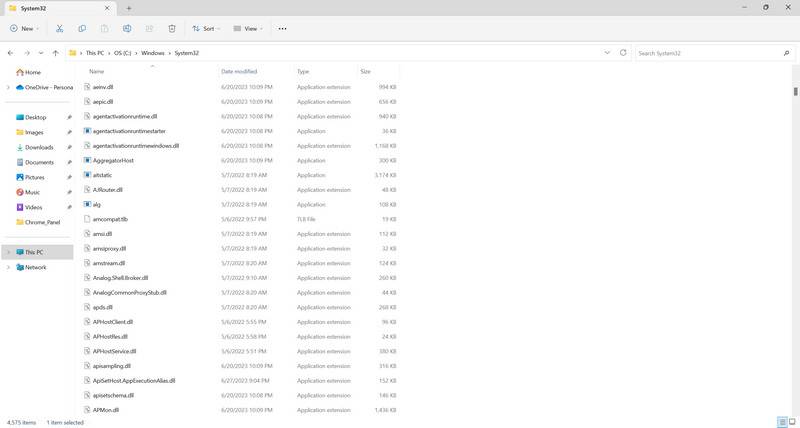
Understanding Msvcr110d.dll
The Msvcr110d.dll file is a dynamic link library file that is part of the Microsoft Visual Studio software development environment. It is specifically associated with the Microsoft C Runtime Library. This library contains functions and resources that are essential for running applications developed using Visual Studio.
The “110” in the file name refers to the version number, indicating that it belongs to the Visual Studio 2012 release. The “d” at the end of the file name signifies that it is a debug version of the library, which is used during the development and testing phase of software development.
Common Msvcr110d.dll Errors
Errors related to the Msvcr110d.dll file can occur due to various reasons. Some of the most common errors include:
- Missing Msvcr110d.dll file: This error message indicates that the file is either missing or has been accidentally deleted from your system.
- Corrupted Msvcr110d.dll file: If the file becomes corrupted, it can lead to errors when attempting to run applications that rely on it.
- Outdated or incompatible version: If you have an outdated or incompatible version of the Msvcr110d.dll file, it may cause errors when running certain applications.
Fixing Msvcr110d.dll Errors
Now that we understand the common errors associated with the Msvcr110d.dll file, let’s explore some methods to fix them:
Method 1: Reinstall the Application
If you are encountering an error related to a missing or corrupted Msvcr110d.dll file, one of the first steps you can take is to reinstall the application that is displaying the error. This process will replace any missing or corrupted files and ensure that the application has the necessary dependencies to run smoothly.
To reinstall the application:
- Uninstall the application from your computer.
- Download the latest version of the application from the official website.
- Install the application using the downloaded installer.
Method 2: Update Visual Studio
If you are using Visual Studio and encountering Msvcr110d.dll errors, it is recommended to update your Visual Studio installation to the latest version. Microsoft regularly releases updates and patches to address known issues and improve compatibility.
To update Visual Studio:
- Open Visual Studio.
- Navigate to the “Help” menu.
- Select “Check for Updates.”
- Follow the on-screen instructions to download and install any available updates.
Method 3: Scan for Viruses and Malware
In some cases, Msvcr110d.dll errors can be caused by malware or viruses on your computer. It is essential to regularly scan your system for any malicious software that may be affecting the stability and performance of your applications.
We recommend using Malwarebytes Free, a trusted and effective antivirus tool, to scan your system for malware and viruses. It can help identify and remove any threats that may be causing the Msvcr110d.dll errors.
Conclusion
The Msvcr110d.dll file is an important component of the Microsoft Visual Studio software development environment. Errors related to this file can occur due to various reasons, including missing or corrupted files, outdated versions, or compatibility issues.
To fix Msvcr110d.dll errors, you can try reinstalling the application, updating Visual Studio, or scanning for viruses and malware. By following these methods, you can resolve the errors and ensure the smooth functioning of your applications.
Remember to regularly update your software and perform system scans to prevent future errors and maintain the security of your computer.

Join the discussion
0 commentsShare your experience or ask a question about this article.
Your progress
Did these steps help?
Let us know how the guide worked for you.
Describe what you see and the step you reached. Keep passwords and other private information out.
Discussion
Start the conversation
Have a question or something useful to share? Add the first comment.