

Have you ever encountered a program called MyFreeCodec on your computer? If so, you may be wondering what it is and whether or not you should remove it. In this article, we will delve into the details of MyFreeCodec, its potential risks, and provide you with valuable insights to help you make an informed decision.
Understanding MyFreeCodec
MyFreeCodec is a program that claims to provide users with access to a wide range of audio and video codecs, allowing them to play various media files on their computers. It often disguises itself as a legitimate software and may come bundled with other free applications or downloads.
While the idea of having a codec pack to enhance media playback capabilities may seem appealing, it is important to exercise caution when dealing with programs like MyFreeCodec. Many users have reported that this software exhibits behavior consistent with potentially unwanted programs (PUPs) or even malware.
The Risks of MyFreeCodec
There are several reasons why you should consider removing MyFreeCodec from your computer:
- Adware and Potentially Unwanted Programs (PUPs): MyFreeCodec has been associated with adware, which means it may display intrusive advertisements, redirect your browser to unwanted websites, or collect your browsing data for targeted advertising purposes. Additionally, it may install other PUPs without your consent, further compromising your computer’s security and performance.
- Malware Distribution: Some versions of MyFreeCodec have been found to distribute malware. This means that by keeping the program installed on your computer, you are exposing yourself to potential security threats, such as viruses, ransomware, or spyware.
- System Performance Issues: Users have reported that MyFreeCodec can significantly slow down their computers, causing lag, crashes, and other performance issues. This can be frustrating and negatively impact your overall computing experience.
How to Remove MyFreeCodec
If you have decided that MyFreeCodec poses a potential risk and you want to remove it from your computer, here are some steps you can follow:
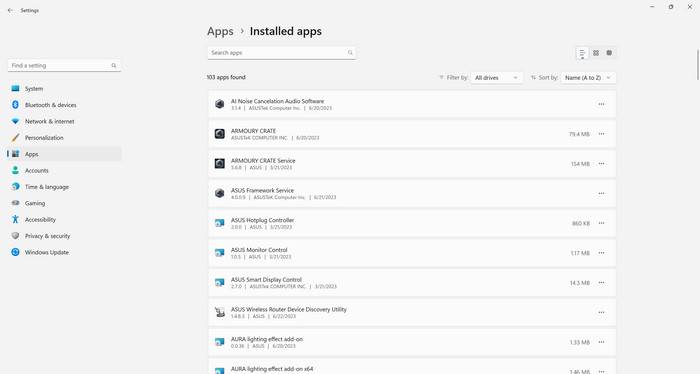
- Uninstall from Control Panel: Go to the Control Panel on your Windows computer and navigate to the “Programs” or “Programs and Features” section. Look for MyFreeCodec in the list of installed programs and select it. Click on the “Uninstall” or “Remove” button to initiate the removal process.
- Scan for Malware: It is highly recommended to scan your computer for any remaining traces of MyFreeCodec or associated malware. Malwarebytes Free is a reputable anti-malware software that can help you detect and remove any potential threats. You can download it from Malwarebytes Free.
- Reset Browsers: MyFreeCodec may have made changes to your browser settings. To ensure a clean removal, reset your browsers to their default settings. This will remove any unwanted extensions, plugins, or changes made by the program.
Preventing Unwanted Programs
To avoid encountering programs like MyFreeCodec in the future, here are some preventive measures you can take:
- Be cautious when downloading software from unfamiliar websites. Stick to reputable sources and verify the authenticity of the software before installation.
- Read the terms and conditions and privacy policy of any software you install. Pay attention to any bundled programs or additional offers.
- During installation, choose the custom or advanced installation option. This allows you to review and deselect any additional programs or changes that may be bundled with the software.
- Keep your operating system and security software up to date. Regular updates often include patches for known vulnerabilities that can be exploited by unwanted programs.
Conclusion
While MyFreeCodec may appear to be a useful program for enhancing media playback capabilities, it comes with potential risks that outweigh its benefits. The presence of adware, potential malware distribution, and system performance issues make it advisable to remove MyFreeCodec from your computer.
If you have encountered MyFreeCodec, it is recommended to uninstall it from your Control Panel, scan your computer for malware using Malwarebytes Free, and reset your browsers to their default settings. By following these steps and implementing preventive measures, you can protect your computer from unwanted programs and ensure a safer computing experience.

Join the discussion
0 commentsShare your experience or ask a question about this article.
Discussion
Start the conversation
Have a question or something useful to share? Add the first comment.