

Phishing scams have become increasingly prevalent in recent years, with cybercriminals constantly devising new and sophisticated methods to trick unsuspecting individuals into revealing their personal and financial information. One such scam that has been targeting NatWest customers is the “Important Security Update” phishing scam. In this article, we will delve into the details of this scam, how it works, what to do if you have fallen victim, and provide valuable insights to help you stay safe online.
What is the NatWest “Important Security Update” Phishing Scam?
The NatWest “Important Security Update” phishing scam is an attempt by cybercriminals to trick NatWest customers into divulging their sensitive information, such as login credentials, account numbers, and personal details. The scam typically involves sending out fraudulent emails or text messages that appear to be from NatWest, warning customers of a security issue with their account and urging them to take immediate action.
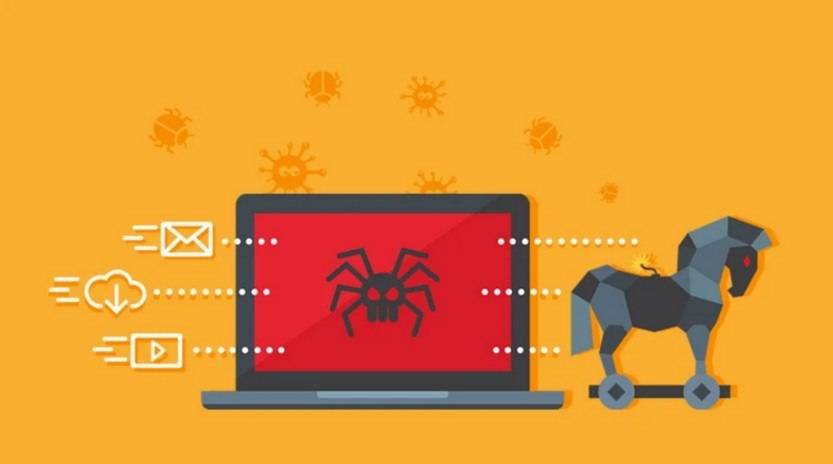
The phishing emails or text messages often contain official-looking NatWest logos, branding, and language to make them appear legitimate. They may also include a sense of urgency, claiming that failure to act promptly could result in account suspension or other negative consequences. The ultimate goal of the scammers is to deceive recipients into clicking on a malicious link or downloading a file that contains malware.
How Does the NatWest “Important Security Update” Phishing Scam Work?
The NatWest “Important Security Update” phishing scam typically follows a well-defined process:
- The scammer sends out a large number of phishing emails or text messages, often using automated tools to target NatWest customers.
- The messages are designed to appear as if they are from NatWest, using official logos, branding, and language to deceive recipients.
- The emails or text messages inform the recipients that there is an urgent security issue with their NatWest account and that they need to take immediate action to resolve it.
- The scammer includes a link or attachment that the recipient is instructed to click on or download to resolve the supposed security issue.
- Once the recipient clicks on the link or downloads the attachment, they are directed to a fake website that closely resembles the official NatWest website.
- The fake website prompts the victim to enter their login credentials, account information, and other personal details.
- Once the victim enters their information, the scammers capture it and can then use it for fraudulent purposes, such as unauthorized access to the victim’s account or identity theft.
What to Do If You Have Fallen Victim to the NatWest “Important Security Update” Phishing Scam?
If you have fallen victim to the NatWest “Important Security Update” phishing scam, it is crucial to take immediate action to minimize the potential damage:
- Contact NatWest: Inform NatWest about the scam by calling their official customer service number. They will guide you on the necessary steps to secure your account and prevent any unauthorized access.
- Change Your Password: If you have entered your login credentials on the fake website, change your NatWest password immediately. Choose a strong and unique password that is not easily guessable.
- Monitor Your Accounts: Regularly monitor your NatWest accounts for any suspicious activity. Report any unauthorized transactions or changes to NatWest immediately.
- Scan for Malware: Run a scan with a reputable antivirus or anti-malware software, such as Malwarebytes Free, to ensure that your device is not infected with any malware that may have been downloaded from the phishing website.
- Enable Two-Factor Authentication: Enable two-factor authentication (2FA) for your NatWest account if available. This adds an extra layer of security by requiring a second form of verification, such as a unique code sent to your mobile device, in addition to your password.
Technical Details of the NatWest “Important Security Update” Phishing Scam
The NatWest “Important Security Update” phishing scam relies on various technical tactics to deceive recipients and steal their information:
- Email Spoofing: Scammers often use email spoofing techniques to make the phishing emails appear as if they are coming from a legitimate NatWest email address. They manipulate the email headers to deceive spam filters and make it harder for recipients to identify the scam.
- Malicious Links and Attachments: The phishing emails or text messages contain links or attachments that, when clicked or downloaded, lead to a fake website or install malware on the victim’s device.
- Phishing Websites: The fake websites used in this scam closely mimic the official NatWest website, including the design, layout, and branding. They are designed to trick victims into entering their login credentials and personal information.
- Social Engineering: The scammers use psychological manipulation techniques to create a sense of urgency and fear, compelling recipients to take immediate action without questioning the authenticity of the communication.
Statistics on Phishing Scams
Phishing scams, including the NatWest “Important Security Update” phishing scam, continue to be a significant threat in the digital landscape. Here are some statistics that highlight the scale and impact of phishing:
- According to the Anti-Phishing Working Group (APWG), there were over 241,324 unique phishing attacks reported in the first quarter of 2021 alone.
- Phishing attacks have been responsible for billions of dollars in financial losses globally.
- Research by Verizon found that 22% of data breaches in 2020 involved phishing attacks.
- Phishing attacks are becoming increasingly sophisticated, with scammers using advanced techniques to evade detection and trick users.
Conclusion
The NatWest “Important Security Update” phishing scam is a serious threat that targets NatWest customers, attempting to deceive them into revealing their personal and financial information. It is crucial to remain vigilant and cautious when receiving any communication that claims to be from NatWest or any other financial institution. Always verify the authenticity of such messages through official channels, such as contacting the customer service directly. By following the recommended steps and staying informed about the latest

Join the discussion
0 commentsShare your experience or ask a question about this article.
Discussion
Start the conversation
Have a question or something useful to share? Add the first comment.