

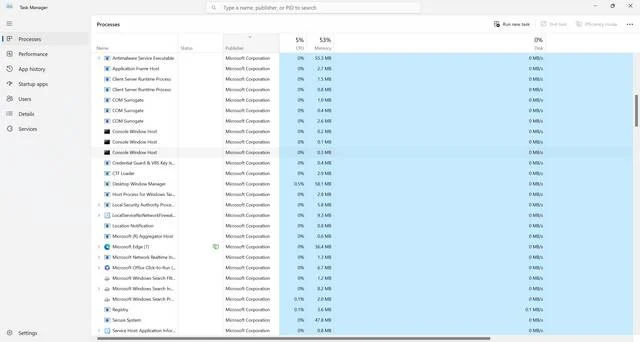
When you open the Windows Task Manager, you may come across a process called NVDisplay.Container.exe running in the background. This executable file is associated with NVIDIA graphics drivers and is responsible for managing certain aspects of your graphics card. In this article, we will delve into what NVDisplay.Container.exe is, whether you should remove it, and whether it poses any security risks.
What is NVDisplay.Container.exe?
NVDisplay.Container.exe is a legitimate process that belongs to NVIDIA Corporation, a leading manufacturer of graphics processing units (GPUs) for computers. It is part of the NVIDIA Display Container LS service, which is responsible for managing various tasks related to your NVIDIA graphics card.
The NVDisplay.Container.exe process is typically located in the “C:\Program Files\NVIDIA Corporation\Display.NvContainer” folder. It is automatically installed when you install the NVIDIA graphics drivers on your system.
This process plays a crucial role in providing a smooth and optimized graphics experience on your computer. It helps manage features such as NVIDIA ShadowPlay, which allows you to record and share gameplay videos, and NVIDIA Ansel, which enables you to capture stunning in-game screenshots.
Should I Remove NVDisplay.Container.exe?
While NVDisplay.Container.exe is a legitimate process, there may be instances where you might consider removing it. Here are a few scenarios where removing NVDisplay.Container.exe could be necessary:
- You are experiencing performance issues: In some cases, the NVDisplay.Container.exe process may consume a significant amount of system resources, leading to performance issues such as high CPU or memory usage. If you notice a considerable impact on your system’s performance, you may consider removing or disabling the process.
- You do not use NVIDIA graphics features: If you do not use any of the NVIDIA graphics features mentioned earlier, removing NVDisplay.Container.exe may not have any adverse effects on your system.
- You suspect malware: Although NVDisplay.Container.exe is a legitimate process, malware can sometimes disguise itself as this file to avoid detection. If you suspect that NVDisplay.Container.exe on your system is malicious, it is recommended to run a thorough antivirus scan using a reliable security software like Malwarebytes Free.
Before removing NVDisplay.Container.exe, it is essential to weigh the potential benefits against the risks. If you rely on NVIDIA graphics features or are unsure about the legitimacy of the process, it is advisable to keep it installed.
Is NVDisplay.Container.exe Malware?
NVDisplay.Container.exe is not inherently malware. It is a legitimate process associated with NVIDIA graphics drivers. However, as mentioned earlier, malware can sometimes disguise itself as NVDisplay.Container.exe to evade detection.
If you suspect that NVDisplay.Container.exe on your system is malware, here are a few signs to look out for:
- Unusual behavior: If the process is consuming excessive system resources or exhibiting suspicious behavior, it could be a sign of malware.
- Unexpected file location: NVDisplay.Container.exe is typically located in the “C:\Program Files\NVIDIA CorporationDisplay.NvContainer” folder. If you find the file in a different location, it may be a cause for concern.
- Presence of other malware: If your system is infected with other malware or you have experienced other security issues, it is worth investigating the legitimacy of NVDisplay.Container.exe.
If you notice any of these signs or have doubts about the authenticity of NVDisplay.Container.exe, it is crucial to run a thorough antivirus scan using a reputable security software like Malwarebytes Free. This will help identify and remove any potential malware from your system.
Summary
NVDisplay.Container.exe is a legitimate process associated with NVIDIA graphics drivers. It plays a crucial role in managing various graphics-related tasks on your computer. While it is generally safe to keep NVDisplay.Container.exe installed, there may be instances where removing or disabling it could be necessary, such as when experiencing performance issues or not using any NVIDIA graphics features.
However, it is important to exercise caution and ensure that the NVDisplay.Container.exe process on your system is not malware in disguise. If you suspect any malicious activity or have doubts about its legitimacy, running a thorough antivirus scan using a reliable security software like Malwarebytes Free is recommended.
Remember, maintaining a secure and optimized system involves regular monitoring and taking appropriate actions to address any potential threats or performance issues.

Join the discussion
0 commentsShare your experience or ask a question about this article.
Discussion
Start the conversation
Have a question or something useful to share? Add the first comment.