

When you purchase a new computer or laptop, it often comes pre-installed with various software and applications. One such application that you may come across is the OEM Application Profile by Advanced Micro Devices (AMD). In this article, we will explore what the OEM Application Profile is, its purpose, and whether or not you should consider removing it from your system.
Understanding the OEM Application Profile
The OEM Application Profile is a software component developed by Advanced Micro Devices (AMD), a leading manufacturer of computer processors and graphics cards. It is typically included as part of the driver package for AMD graphics cards and is designed to optimize the performance of games and applications on your system.
When you install the AMD graphics driver, the OEM Application Profile is also installed by default. It works in conjunction with the driver to provide specific optimizations for various games and applications. These optimizations can include improved graphics rendering, reduced input lag, and enhanced overall performance.
The Purpose of the OEM Application Profile
The primary purpose of the OEM Application Profile is to ensure that games and applications run smoothly and efficiently on systems equipped with AMD graphics cards. It achieves this by providing specific instructions and settings tailored to each game or application.
Without the OEM Application Profile, your system may still be able to run games and applications, but you may not experience the optimal performance that AMD intended. The profile helps to unlock the full potential of your AMD graphics card, allowing you to enjoy a better gaming and computing experience.
Should You Remove the OEM Application Profile?
Now that we understand what the OEM Application Profile is and its purpose, let’s discuss whether or not you should consider removing it from your system.
1. Performance Impact: The OEM Application Profile is designed to improve performance, so removing it may result in a decrease in gaming and application performance. If you are an avid gamer or rely on specific applications that benefit from the optimizations provided by the profile, it is recommended to keep it installed.
2. Compatibility: Some games and applications may rely on the OEM Application Profile to function properly. Removing it could lead to compatibility issues or unexpected behavior in certain software. It is advisable to research the specific games and applications you use to determine if they require the profile.
3. Storage Space: The OEM Application Profile does take up some storage space on your system. If you are running low on storage or have no use for the profile, removing it can free up some space. However, the amount of space saved is typically minimal, so this may not be a significant factor for most users.
4. Personal Preference: Ultimately, the decision to remove the OEM Application Profile comes down to personal preference. If you do not notice any significant improvements in performance or do not use games or applications that rely on the profile, you may choose to remove it. However, it is recommended to create a system restore point or backup before making any changes to ensure you can revert if needed.
How to Remove the OEM Application Profile
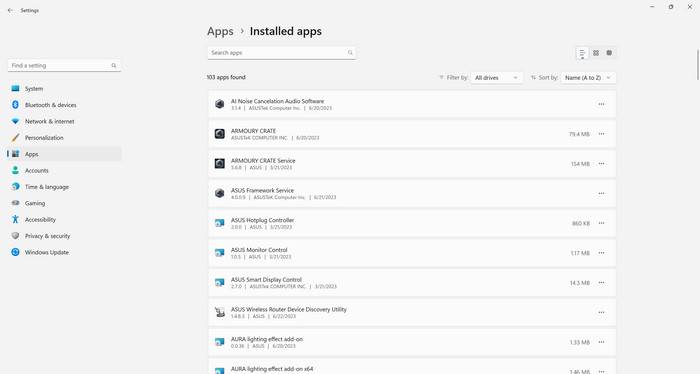
If you have decided to remove the OEM Application Profile from your system, it is important to do so correctly to avoid any potential issues. Here is a step-by-step guide on how to remove the profile:
- Open the Control Panel on your Windows system.
- Select “Programs” or “Programs and Features.”
- Locate the AMD Catalyst Control Center or AMD Radeon Settings in the list of installed programs.
- Right-click on the AMD Catalyst Control Center or AMD Radeon Settings and select “Uninstall.”
- Follow the on-screen prompts to complete the uninstallation process.
After uninstalling the AMD Catalyst Control Center or AMD Radeon Settings, the OEM Application Profile should also be removed from your system.
If you prefer using an uninstallation tool to ensure a thorough removal, you can consider using Revo Uninstaller Free. Revo Uninstaller offers advanced scanning and removal capabilities, allowing you to completely remove any leftover files or registry entries associated with the OEM Application Profile.
Conclusion
The OEM Application Profile by Advanced Micro Devices (AMD) is a software component that works in conjunction with the AMD graphics driver to optimize the performance of games and applications on your system. While it is recommended to keep the profile installed for optimal performance, the decision to remove it ultimately depends on personal preference and specific use cases.
If you are an avid gamer or rely on specific applications that benefit from the optimizations provided by the OEM Application Profile, it is advisable to keep it installed. However, if you do not notice any significant improvements in performance or do not use games or applications that rely on the profile, you may choose to remove it.
Remember to create a system restore point or backup before making any changes to your system, and if you prefer using an uninstallation tool, consider using Revo Uninstaller Free for a thorough removal.
Ultimately, the decision to remove the OEM Application Profile should be based on your specific needs and preferences. Consider the factors discussed in this article and make an informed decision that best suits your requirements.

Join the discussion
0 commentsShare your experience or ask a question about this article.
Discussion
Start the conversation
Have a question or something useful to share? Add the first comment.