

A tempting promotion offering On Running’s coveted Cloud shoes for an unbelievable $19.99 has recently exploded in popularity on social media. But before you pull out your credit card for this enviable deal, stop and think – if it seems too good to be true, it usually is.
This viral “flash sale” is actually an elaborate scam designed to steal users’ personal information and payment card details under the guise of a hot shoe deal. Savvy social media users are getting duped into providing their data to sophisticated fake e-commerce websites promoting these “discounts”.
In this comprehensive guide, I’ll outline how the On Running shoe scam works to deceive users through meticulously crafted social media ads and mock retail websites. You’ll learn the warning signs to help recognize the sham sales so you can protect your valuable personal and financial data. I’ll also provide steps on what to do if you suspect your information was compromised through one of these frauds.
Overview of the On Running Flash Sale Scam
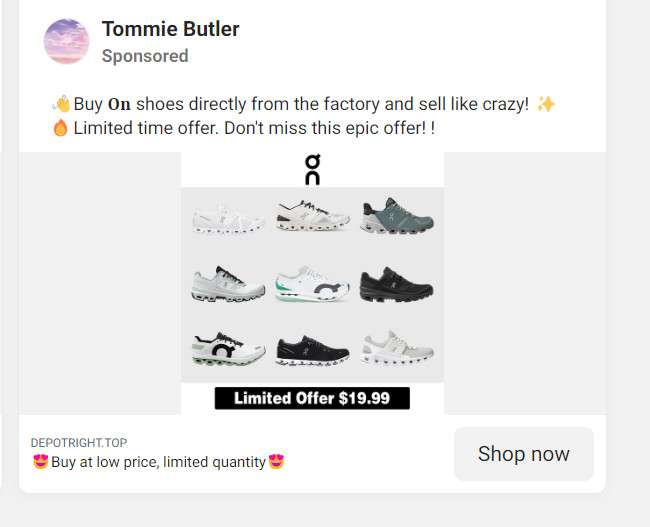
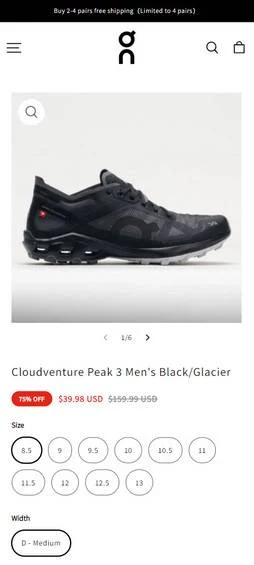
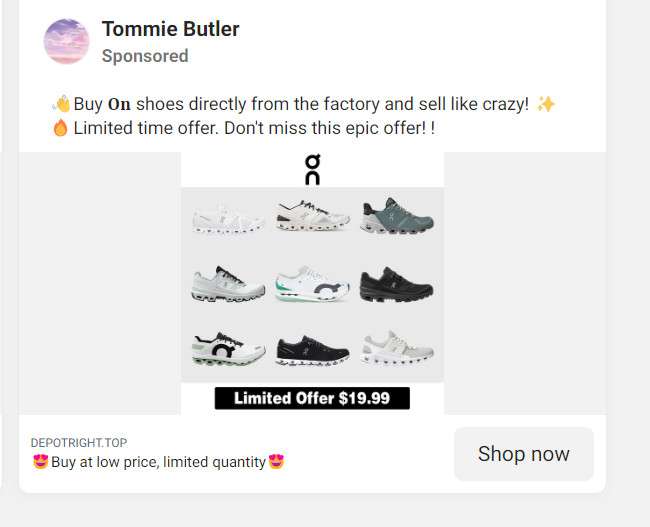
This cunning scam exploits the popularity of On Running’s stylish “Cloud” shoes by advertising limited-time flash sales with prices slashed up to 90% off. For example, On’s Cloud running shoes typically retail for around $130. But these promotions tout them at the outrageously low price of just $19.99.
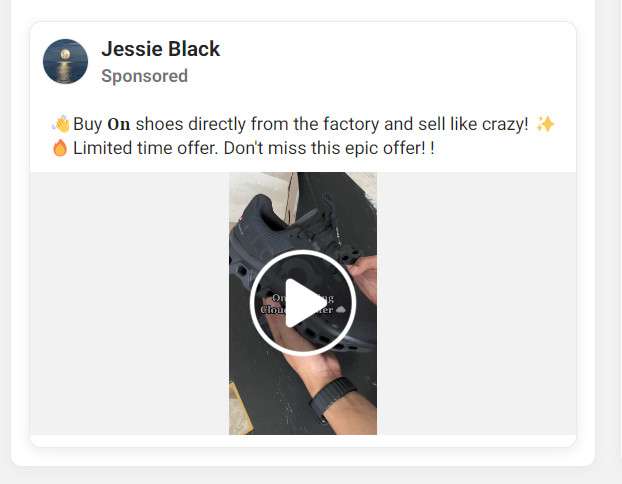
The ads come in the form of social media posts, Stories or Reels highlighting these compelling “deals” using attention-grabbing captions and urgent countdown timers. To take advantage of the discount, users are instructed to click dubious links leading to fake e-commerce websites pretending to sell On shoes.
However, these fraudulent sites simply harvest users’ sensitive data for identity theft and credit card fraud. After entering payment info, victims later realize no shoes were ever shipped and no order confirmation was received. At that point, personal and financial data has already been compromised.
This scam manages to deceive even savvy social media users through meticulously designed ads and websites that strongly mimic official branding. But a closer look reveals many red flags exposing the sham. By understanding their deceptive tactics, you can avoid getting duped by fake flash sales scams using your favorite brands.
Scam Ads Imitate Real On Running Social Media Profiles
The sham ads are carefully crafted to appear as if they were posted by On Running’s official social media accounts. Profile pictures feature the On logo and branding, while usernames contain terms like “On” and “On Running”. Hashtags like #OnRunning are used liberally to associate the promotions with the brand.
At quick glance, users perceive the ads to be legitimate posts from the authentic On Running profiles they follow and engage with. This ensures a high rate of clicks and conversions to the scam sites.
Links Lead to Sophisticated Fake On Running Websites
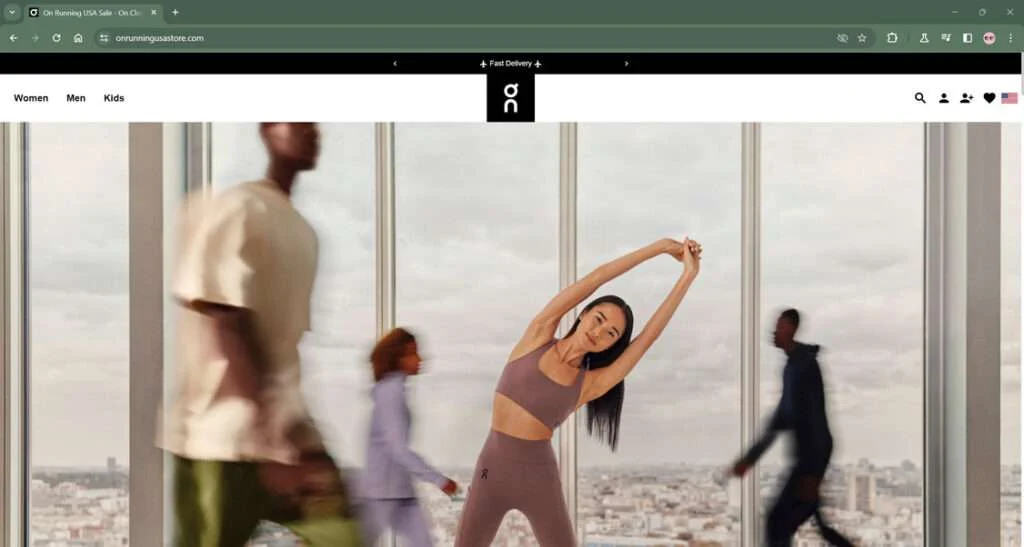
Clicking the promotional links leads users not to the real On Running website, but rather to sophisticated scam storefronts dressed up to precisely mimic the official On site. Everything from the logo and branding to the layout and images are lifted from the real site to create a convincing facade.
The fakes even use deceptive domain names incorporating terms like “On” and “Running” to reinforce their legitimacy. For example, names like onrunningsale.com, onoutletstore.com or on-running.net.
Highly Targeted Ads Based on Interests and Age
To maximize exposure to users inclined to purchase On Running shoes, the scam ads leverage advanced social media targeting based on interests and demographics.
Interest targeting focuses on athletic activities like running, tennis, yoga, hiking, CrossFit and more. This reaches users looking for performance athletic wear.
Age and demographic targeting concentrates on profiles belonging to millennials and Gen Z – cohorts most likely to purchase these trendy shoes. Location targeting zones in on North America, Europe and other premium markets for the brand.
Fake Urgency Tactics and Scarcity Pressures
The ads touting the flash sales employ a variety of sly urgency triggers and scarcity pressures to encourage immediate purchase.
Countdown timers give the impression that the jaw-dropping discounts are only available for a few more hours. Terms like “Almost Gone!” and “Selling Out Fast” imply limited quantities are available.
These high-pressure tactics inhibit users from researching the sales and preserves the element of surprise when they land on the fake sites.
Highly Streamlined Checkout Funnels to Prevent Hesitation
The fraudulent sites feature highly simplified and streamlined checkout processes to enable visitors to breeze through payment information entry. Unlike authentic e-commerce sites, zero snags or errors are introduced that might pause the process and lead to second guessing the purchase.
This funnel optimization allows maximal extraction of user data during the narrow purchase window before skepticism sets in. Speed and ease remove any friction that could disrupt the scam.
By mirroring official branding and profiles, duping social media targeting algorithms, and greasing purchase checkout frictionlessly, this scam manages to regularly pilfer user data. But a bit of extra scrutiny exposing common red flags can help online shoppers protect their information and avoid fake flash sale traps.
How the On Running Shoes Flash Sale Scam Works to Deceive Social Media Users
The operators behind these fake On Running flash sale scams have developed an intricate process to successfully harvest users’ personal and payment information:
Step 1: Create Compelling Social Media Ads Highlighting the Fake Flash Sale
The scam starts with carefully designed social media ads touting the unbelievable On shoes deal. The ads contain urgency triggers like “Ends Soon!” or “Almost Gone!” to encourage immediate purchase without deeper scrutiny. Pricing is advertised at the enviable rate of 4-5x below retail cost. For example, “On Cloud Shoes Just $19.99!”.
Step 2: Target the Ads Based on Interests and Demographics
The scam ads get precisely targeted using interests like “running shoes”, “workout sneakers”, and other athletic gear. Targeting also focuses on demographics most inclined to purchase the brand like young professionals and fitness enthusiasts.
Step 3: Drive Clicks to Sophisticated Phony E-Commerce Sites
When users click on the compelling ads, instead of reaching On’s real website, they get redirected to sophisticated fake e-commerce sites promoting the flash sale. These scam sites precisely mimic the look, feel and branding of the real On Running website using copied images, logos and web layouts.
Step 4: Make the Checkout Process Fast and Frictionless
The fake sites ensure users can breeze through entering personal info and payment details,never encountering snags that might derail the purchase. This allows maximal extraction of data before defects get noticed.
Step 5: Sprinkle Trust Signifiers Like Reviews, Seals and Guarantees
For extra legitimacy, the scam sites utilize fake trust signals like positive ratings, security badges, and satisfaction guarantees. This disables user skepticism.
Step 6: Never Ship Any Products After Collecting Payments
With users’ sensitive personal and payment data extracted, the scammers disappear without shipping anything. Victims only realize later no confirmation email arrives.
Step 7: Rinse and Repeat the Process
Before getting shut down, the scammers quickly launch fresh websites and social media ads to repeat the entire process with new victims.
Warning Signs to Spot the Fake On Running Flash Sale Scams
While the ads and websites appear convincing at first glance, a close inspection reveals many warning signs confirming their fraudulent nature:
- Prices advertised are simply too good to be true – like $130 shoes discounted to $19.99 or $29.99.
- High-pressure tactics and urgency triggers like “Going Fast!” and “Today Only!”
- Accounts promoting the sales have minimal followers/engagement and often just joined social platforms.
- Links in profiles and ads go to shady new domains registered this year instead of the real On Running website.
- Fake security badges and certifications designed to look real but not actually verifiable.
- Reviews seem fake and overly positive – real customer reviews would expose the scam.
- Lack of contact information beyond an email address – no real phone number or physical address.
- Poor website quality with grammar/spelling errors, technical glitches and other sloppiness.
- Checkout process and page loads unusually quick and polished to prevent second thoughts.
- Credit card logos look blurry or low resolution, indicating images scraped from elsewhere online.
When assessing online deals that feel too good to be true, take the time to carefully analyze site details instead of impulsively jumping on the deal. Scrutinizing domain registration dates, contact info, reviews, and other signals can help expose scam sites aiming to deceive.
How To Spot the On Running Scam Ads on Social Media
Identifying the On Running Scam Ads on Facebook
Watch for these signals when assessing Facebook ads promoting suspicious On Running sales:
- Extreme price cuts like $130 shoes for $19.99 or $29.99.
- High pressure tactics in ad copy like “Almost Gone!” and “Ends Today!”.
- Enticing slogans like “Blowout Sale” or “Warehouse Clearance”.
- Low quality or inconsistent product images, often stolen from real listings.
- Links go to new domains with “onrun” not the real on-running.com site.
- Comment sections full of generic bot comments, not real users.
- Sponsored by shady pages, not On Running’s verified Facebook account.
Scrutinize account details, urls, prices and engagement before clicking Facebook ads. Stick to the real brand’s page for authentic promotions.
Spotting the Scam on Instagram
Watch for the following when evaluating Instagram posts advertising On Running flash sales:
- Unbelievable discounts like 90% off that are too good to be true.
- High pressure captions with “Hurry!” and “Ends soon!”.
- Enticing slogans including “Liquidation Sale” or “Blowout Clearance”.
- Images with artifacts, inconsistencies or low resolution, signaling stolen media.
- Posted by accounts with no followers and zero credibility in the space.
- Tagged with hashtags like #shoeporn but not the real brand’s handle.
- Links in bios go to sketchy “onrunning” domains, not the real website.
Carefully inspecting account details and domains can help reveal Instagram shoe sale scams. Avoid clicking dubious links.
How to Identify Fake On Running Deals on TikTok
Watch for these red flags when assessing on TikTok shoe sales:
- Absurd prices like $130 shoes for only $19.99 or $29.99.
- Urgency triggers like “Hurry, almost gone!” and “Today only!”.
- Enticing slogans including “Liquidation Sale” or “Blowout Clearance”.
- Video promotes sale using AI-generated visuals, not real shoe footage.
- Posted by brand new accounts with minimal followers/engagement.
- Comments full of bots astroturfing interest in the sale.
- Links in bios route to shady “onrunning” domains, not the real site.
Carefully scrutinizing account details, urgency cues, prices and site links can help expose the TikTok shoe scams. Avoid any suspicious deals.
What to Do If You Already Shared Your Information with a Fake On Running Flash Sale Website
If you suspect your personal or financial information was compromised through a fake flash sale website:
- Immediately contact your credit card company and bank to report fraudulent charges or freeze accounts. Cancel any cards used on the scam site.
- Place a fraud alert on your credit reports and review reports to identify any suspicious activities. Enroll in credit monitoring if needed.
- Strongly consider implementing a credit freeze with Equifax, Experian and TransUnion to lock down your credit reports from fraudsters.
- Reset passwords on all of your online accounts, especially financial accounts and email, to thwart compromised credentials. Enable two-factor authentication wherever possible.
- Monitor bank and credit card statements routinely for any unrecognized purchases or account activity. Dispute any fraudulent charges promptly.
- Be vigilant about checking your credit reports because stolen information can be used months or even years later for identity theft.
- Report the scam website, social media accounts and linked payment processor to the appropriate authorities using the Federal Trade Commission and FBI IC3 complaint forms. Provide all details to assist investigations.
By taking proactive measures as soon as possible after data compromise, you can minimize risks and frustrate scammers’ efforts to monetize your stolen information.
FAQ About the Fake $19.99 On Running Shoes Flash Sale
1. How can I recognize the fake $19.99 On Running shoe deals on social media?
Look for social media ads on Facebook, Instagram, and TikTok advertising On’s popular Cloud running shoes for unbelievable prices like $19.99 or $29.99. They frequently employ enticing slogans and countdown timers. Links go to shady new domains, not the real website.
2. What are some examples of the scam websites the ads lead to?
Examples include onrunstore.com, onrunningoutlet.net, onrunning-shop.com. While convincingly designed, they are fake storefronts intending to steal your data, not ship shoes.
3. What happens when you buy shoes on the counterfeit sites?
After entering payment and personal info, no shoes get shipped. The sites steal your data for credit card fraud and identity theft. No order confirmation is received since no actual order was placed.
4. How do the scammers profit off this scam?
By harvesting users’ names, emails, credit card details and addresses, the scammers either commit payment fraud or sell the info for profit on dark web marketplaces.
5. I entered my info on a fake On Running site – what should I do now?
Immediately contact your credit card company and banks to halt payments. Monitor your credit reports and financial statements routinely for fraudulent activity and freeze your credit if needed.
6. How can I safely buy discounted On Running shoes online?
Only purchase directly through on-running.com or authorized retailers like Foot Locker and REI. Verify site legitimacy and secure checkout before providing any personal or payment details.
7. Where can I report the fraudulent ads and websites?
Report them to platforms like Facebook, Instagram and TikTok, and to authorities including the FTC, FBI, IC3, and domain/hosting companies. Provide as many details as possible.
8. How can I avoid becoming victim to similar “too good to be true” deals?
Carefully analyze discounts, website details, account credibility and other signals instead of impulsively buying. Confirm legitimacy before providing sensitive user data.
The Bottom Line on the Viral On Running Shoes Flash Sale Scam
This ingenious social media scam manages to regularly fool savvy users into handing over their sensitive personal and payment data. By advertising outrageously discounted prices on coveted shoes, the scammers override critical thinking and skepticism. But looking closely for warning signs like newly registered domains, fake reviews and missing contact info can help expose the sham deals.
When evaluating limited-time sales promotions online, carefully scrutinize all elements of ads and linked websites instead of impulsively jumping on deals that look too good to be true. By identifying fakes masquerading as your favorite brands, you can safely enjoy shopping without getting scammed. Don’t let scammers’ convincing social media ads and websites trick you into compromising your valuable personal information.

Join the discussion
0 commentsShare your experience or ask a question about this article.
Discussion
Start the conversation
Have a question or something useful to share? Add the first comment.