

Origin is a digital distribution platform developed by Electronic Arts (EA) that allows users to purchase, download, and play video games. It was first launched in 2011 as a direct competitor to Valve’s Steam platform. Over the years, Origin has gained a significant user base and offers a wide range of games from EA and other publishers.
The Features of Origin
Origin offers several features that make it a popular choice among gamers:
- Game Library: Origin provides a centralized location for users to manage their game library. It allows users to download, install, and update games with ease.
- Community Integration: Origin has a built-in social network that allows users to connect with friends, join gaming communities, and share their gaming experiences.
- Exclusive Content: EA often releases exclusive content and early access to games through Origin. This gives users the opportunity to experience new games before they are available on other platforms.
- Cloud Saves: Origin offers cloud storage for game saves, allowing users to access their progress from any device with an internet connection.
- Streaming: Origin also supports game streaming, allowing users to play their games on other devices, such as laptops or tablets, without the need for high-end hardware.
Should I Remove Origin?
While Origin offers a range of features and benefits, some users may consider removing it from their system. Here are a few reasons why you might want to remove Origin:
1. Limited Game Selection
Origin primarily focuses on games published by EA, which means that the selection of games available on the platform may be limited compared to other platforms like Steam. If you prefer a wider variety of games from different publishers, you may find Origin lacking in this aspect.
2. Resource Consumption
Like any other software, Origin consumes system resources while running in the background. If you have a low-end system or limited resources, you may experience performance issues while running Origin alongside your games. In such cases, removing Origin can help improve system performance.
3. Privacy Concerns
Some users have expressed concerns about the privacy practices of Origin. In the past, there have been reports of data breaches and unauthorized access to user information. While EA has taken steps to address these issues, if you are particularly concerned about your privacy, you may choose to remove Origin from your system.
4. Alternative Platforms
If you are already using other gaming platforms like Steam, GOG, or Epic Games Store, you may find it redundant to have multiple platforms installed on your system. Removing Origin can help streamline your gaming experience and reduce clutter.
How to Remove Origin
If you have decided to remove Origin from your system, here are the steps you can follow:
- Close Origin: Make sure to exit the Origin client completely before proceeding with the uninstallation process.
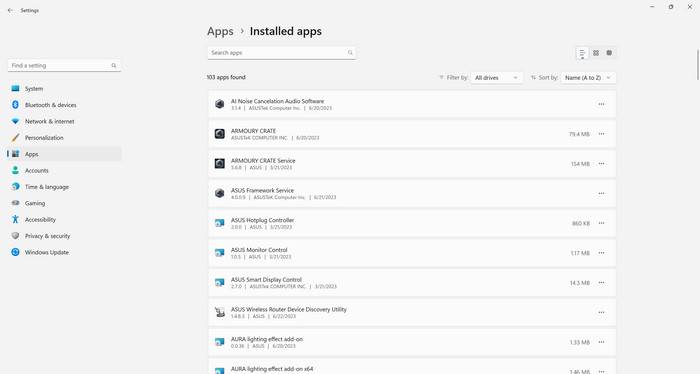
- Uninstall Origin: Open the Control Panel on your Windows system and navigate to “Programs” or “Programs and Features.” Locate Origin in the list of installed programs, right-click on it, and select “Uninstall.”
- Follow the prompts: Follow the on-screen prompts to complete the uninstallation process. Make sure to select the option to remove all associated files and settings.
- Restart your system: After the uninstallation is complete, restart your system to ensure that all traces of Origin are removed.
It is also recommended to scan your system for any potential malware or leftover files using a reliable antivirus or anti-malware software. Malwarebytes Free is a popular choice for scanning and removing malware.
Conclusion
Origin by Electronic Arts is a digital distribution platform that offers a range of features and benefits for gamers. However, there are several reasons why you might consider removing Origin from your system, including limited game selection, resource consumption, privacy concerns, and the availability of alternative platforms.
If you decide to remove Origin, make sure to follow the proper uninstallation process and consider scanning your system for any potential malware. Ultimately, the decision to remove Origin depends on your personal preferences and gaming needs.
Remember, it’s important to weigh the pros and cons before making a decision. Consider your gaming habits, the games you play, and the overall impact on your system’s performance. By doing so, you can make an informed choice that aligns with your gaming preferences and requirements.

Join the discussion
0 commentsShare your experience or ask a question about this article.
Discussion
Start the conversation
Have a question or something useful to share? Add the first comment.