

Picasa 3, developed by Google Inc., is a popular image organizer and photo editing software that has been widely used by individuals and professionals alike. However, with the advancement of technology and the introduction of newer and more feature-rich alternatives, many users are questioning whether they should uninstall Picasa 3 from their devices. In this article, we will explore what Picasa 3 is, its features, and whether it is still relevant in today’s digital landscape.
What is Picasa 3?
Picasa 3 is a free software application that allows users to organize, edit, and share their photos. It was first released by Lifescape in 2002 and was later acquired by Google in 2004. Picasa 3 offers a range of features, including:
- Photo organization: Picasa 3 allows users to easily organize their photos by creating albums, adding tags, and sorting them based on various criteria such as date, location, or people.
- Basic editing tools: The software provides users with basic editing tools to enhance their photos. These tools include cropping, straightening, adjusting brightness and contrast, and applying filters.
- Face recognition: Picasa 3 uses facial recognition technology to automatically detect and tag people in photos. This feature makes it easier to find specific photos of individuals.
- Geotagging: Users can geotag their photos, which means adding location information to them. This allows users to view their photos on a map and easily find photos taken at specific locations.
- Integration with Google services: Picasa 3 seamlessly integrates with other Google services such as Google Photos and Google Drive, making it easy to upload and share photos online.
Is Picasa 3 Still Relevant?
While Picasa 3 has been a popular choice for photo organization and basic editing for many years, its relevance has diminished in recent times. Here are a few reasons why users might consider uninstalling Picasa 3:
- Discontinued support: Google officially discontinued support for Picasa 3 in 2016. This means that the software will no longer receive updates or security patches, leaving it vulnerable to potential security risks.
- Outdated features: Picasa 3 lacks many advanced features that are now available in modern photo editing software. Users looking for more advanced editing capabilities may find other software options more suitable.
- Cloud storage limitations: Picasa 3 relies on local storage for photo organization, which can be limiting for users who prefer cloud-based solutions. Google Photos, the successor to Picasa, offers unlimited cloud storage for photos and videos.
- User interface: Picasa 3 has an outdated user interface that may not be as intuitive or visually appealing as newer software options. Users who value a modern and user-friendly interface may prefer alternative software.
Alternatives to Picasa 3
If you decide to uninstall Picasa 3, there are several alternatives available that offer more advanced features and better support. Here are a few popular options:
- Adobe Lightroom: Adobe Lightroom is a professional-grade photo editing and organization software. It offers advanced editing tools, cloud storage integration, and a user-friendly interface.
- Google Photos: Google Photos is Google’s cloud-based photo storage and sharing service. It offers unlimited storage for photos and videos, powerful search capabilities, and automatic organization.
- Apple Photos: Apple Photos is the default photo management software for Apple devices. It offers advanced editing tools, seamless integration with iCloud, and a user-friendly interface.
- Microsoft Photos: Microsoft Photos is a built-in photo management software for Windows 10. It offers basic editing tools, cloud storage integration, and easy sharing options.
Should I Uninstall Picasa 3?
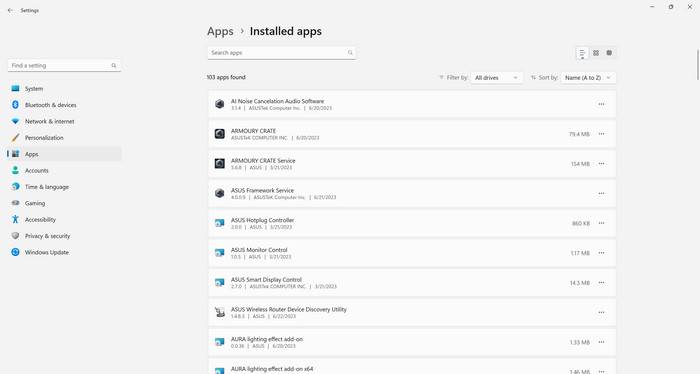
Ultimately, the decision to uninstall Picasa 3 depends on your specific needs and preferences. If you are satisfied with its basic editing tools and photo organization features, and you are not concerned about security risks or outdated features, you may choose to continue using it. However, if you are looking for more advanced editing capabilities, cloud storage options, and better support, it may be worth considering one of the alternative software options mentioned above.
Before uninstalling Picasa 3, it is recommended to scan your device for any potential malware. Malwarebytes Free is a reliable and effective malware scanning tool that can help ensure your device is clean and secure. You can download Malwarebytes Free from their official website and run a scan using the software.
In conclusion, while Picasa 3 has been a popular choice for photo organization and basic editing, its relevance has diminished over time. With discontinued support, outdated features, and the availability of more advanced alternatives, users may find it beneficial to uninstall Picasa 3 and explore other software options that better suit their needs.

Join the discussion
0 commentsShare your experience or ask a question about this article.
Discussion
Start the conversation
Have a question or something useful to share? Add the first comment.