

When it comes to software installed on our computers, it’s not uncommon to come across unfamiliar names that leave us wondering about their purpose and whether they are necessary. One such software is PlayReady PC Runtime x86 by Microsoft. In this article, we will delve into what PlayReady PC Runtime x86 is, its importance, and whether you should consider removing it from your system.
What is PlayReady PC Runtime x86?
PlayReady PC Runtime x86 is a software component developed by Microsoft that provides digital rights management (DRM) capabilities for various media content. It is primarily used to protect copyrighted content, such as movies, TV shows, and music, from unauthorized distribution and piracy.
PlayReady PC Runtime x86 works in conjunction with media playback applications, such as Windows Media Player and streaming services, to ensure that only authorized users can access and consume the protected content. It encrypts the content and enforces usage rules defined by content providers, such as limiting the number of devices on which the content can be played or the duration of playback.
Why is PlayReady PC Runtime x86 Important?
PlayReady PC Runtime x86 plays a crucial role in the digital media ecosystem by enabling content providers to distribute their copyrighted content securely. Without DRM technologies like PlayReady, it would be challenging for content creators and distributors to protect their intellectual property and generate revenue from their work.
By using PlayReady PC Runtime x86, content providers can have greater control over how their content is consumed. They can set specific usage rules, such as allowing content to be streamed but not downloaded, or restricting playback to authorized devices only. This level of control helps content providers strike a balance between protecting their content and providing a seamless user experience.
Should I Remove PlayReady PC Runtime x86?
Now that we understand what PlayReady PC Runtime x86 is and its importance, the question arises: should you remove it from your system? The answer depends on your specific needs and usage patterns.
If you frequently consume media content from legitimate sources, such as streaming services like Netflix or Hulu, it is highly recommended to keep PlayReady PC Runtime x86 installed. These services rely on DRM technologies like PlayReady to protect the content they offer. Removing PlayReady PC Runtime x86 may result in compatibility issues and prevent you from accessing or playing protected content.
On the other hand, if you rarely consume protected media content or have concerns about DRM and its implications, you may consider removing PlayReady PC Runtime x86. However, it’s important to note that removing PlayReady PC Runtime x86 may limit your ability to access certain types of content or result in degraded playback quality.
How to Remove PlayReady PC Runtime x86?
If you have decided to remove PlayReady PC Runtime x86 from your system, it is essential to follow the proper uninstallation process to avoid any potential issues. Here’s a step-by-step guide:
- Open the Control Panel on your Windows computer.
- Select “Programs” or “Programs and Features.”
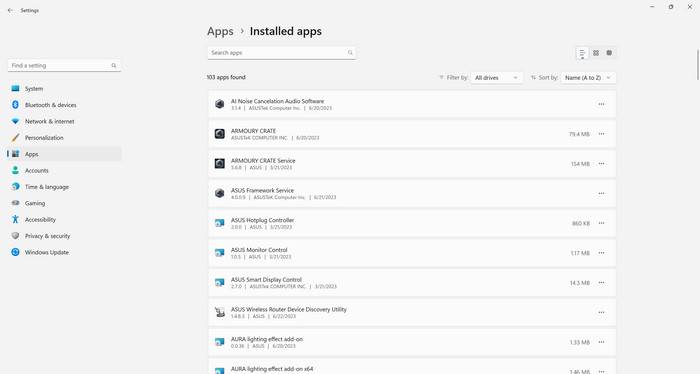
- Locate “PlayReady PC Runtime x86” in the list of installed programs.
- Right-click on “PlayReady PC Runtime x86” and select “Uninstall” or “Remove.”
- Follow the on-screen prompts to complete the uninstallation process.
After removing PlayReady PC Runtime x86, it is recommended to restart your computer to ensure that all changes take effect.
It’s worth mentioning that removing PlayReady PC Runtime x86 may impact the functionality of certain applications or services that rely on it. If you encounter any issues or experience unexpected behavior after removing PlayReady PC Runtime x86, you can consider reinstalling it or seeking assistance from the respective application or service provider.
Conclusion
PlayReady PC Runtime x86 by Microsoft is a software component that provides digital rights management capabilities for protected media content. It plays a crucial role in enabling content providers to distribute their copyrighted content securely and control how it is consumed.
Whether you should remove PlayReady PC Runtime x86 depends on your specific needs and usage patterns. If you frequently consume protected media content from legitimate sources, it is recommended to keep PlayReady PC Runtime x86 installed to ensure compatibility and uninterrupted access to the content. However, if you rarely consume protected media content or have concerns about DRM, you may consider removing it, keeping in mind the potential limitations and compatibility issues that may arise.
Remember, if you decide to remove PlayReady PC Runtime x86 or any other software from your system, it’s always a good practice to scan your computer for malware using Malwarebytes Free or a similar trusted security tool to ensure the integrity of your system.

Join the discussion
0 commentsShare your experience or ask a question about this article.
Discussion
Start the conversation
Have a question or something useful to share? Add the first comment.