

When you open the Task Manager on your Windows computer, you may notice a process called “Program Compatibility Assistant Service” running in the background. This may raise questions about what this process is, why it is running, and whether it is necessary for your system’s performance. In this article, we will explore the Program Compatibility Assistant Service process in detail, providing valuable insights into its purpose and functionality.
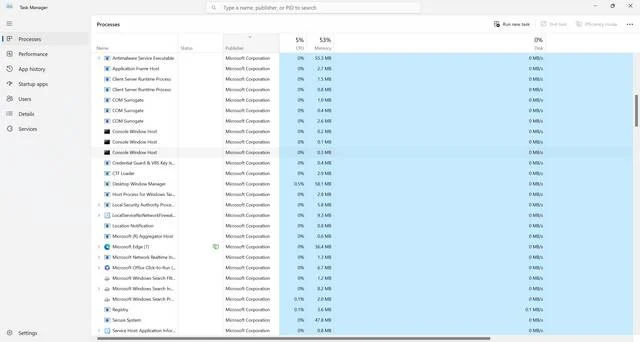
Understanding the Program Compatibility Assistant Service
The Program Compatibility Assistant Service is a built-in Windows service that helps users run older programs on newer versions of Windows. It automatically detects compatibility issues and provides solutions to ensure that legacy software can still be used effectively. This service is particularly useful for individuals and organizations that rely on older applications that may not be fully compatible with the latest Windows operating systems.
Why is the Program Compatibility Assistant Service Running?
The Program Compatibility Assistant Service runs in the background to monitor and manage compatibility issues between programs and the operating system. It constantly scans for potential compatibility problems and takes appropriate actions to resolve them. When a program encounters compatibility issues, the service may prompt the user with suggestions or automatically apply compatibility settings to ensure smooth execution.
There are several reasons why the Program Compatibility Assistant Service may be running on your system:
- Legacy Software: If you have older software installed on your computer, the service will be active to ensure that these programs can run without any compatibility issues.
- Automatic Compatibility Settings: The service may apply compatibility settings to certain programs automatically, based on the information it gathers about their compatibility with the operating system.
- User-Initiated Compatibility Mode: If you manually enable compatibility mode for a specific program, the service will ensure that the compatibility settings are applied whenever you launch that program.
How to Manage the Program Compatibility Assistant Service
If you want to manage the Program Compatibility Assistant Service or disable it altogether, you can do so through the Windows Control Panel. Here’s how:
- Open the Control Panel by searching for it in the Windows search bar.
- Click on “Programs” or “Programs and Features,” depending on your version of Windows.
- On the left-hand side, click on “Turn Windows features on or off.”
- In the Windows Features window, scroll down and locate “Compatibility Assistant.”
- Uncheck the box next to “Compatibility Assistant” to disable the service.
- Click “OK” and restart your computer for the changes to take effect.
It is important to note that disabling the Program Compatibility Assistant Service may prevent certain older programs from running correctly on your system. Therefore, it is recommended to only disable the service if you are certain that you no longer require compatibility assistance for any of your installed software.
Ensuring System Security
While the Program Compatibility Assistant Service is a legitimate Windows process, it is essential to remain vigilant about potential security threats. Malware and viruses can sometimes disguise themselves as legitimate processes to avoid detection. Therefore, it is always a good practice to regularly scan your system for malware and viruses using reliable security software.
If you suspect any malicious activity or want to ensure the security of your system, it is recommended to run a scan with Malwarebytes Free. Malwarebytes is a trusted and effective security tool that can detect and remove various types of malware, including those that may attempt to exploit legitimate Windows processes.
Conclusion
The Program Compatibility Assistant Service is an integral part of the Windows operating system, designed to ensure compatibility between older programs and newer versions of Windows. It runs in the background, monitoring and managing compatibility issues to provide a seamless user experience. While it is possible to disable the service, it is generally recommended to keep it enabled unless you are certain that you no longer require compatibility assistance for any of your installed software.
Remember to prioritize system security by regularly scanning your computer for malware and viruses. Tools like Malwarebytes Free can help you detect and remove any potential threats, ensuring the smooth and secure operation of your system.

Join the discussion
0 commentsShare your experience or ask a question about this article.
Discussion
Start the conversation
Have a question or something useful to share? Add the first comment.