

Bluetooth technology has become an integral part of our daily lives, allowing us to connect and communicate wirelessly with various devices. One of the popular Bluetooth software suites available is the Qualcomm Atheros Bluetooth Suite 64. In this article, we will explore what the Qualcomm Atheros Bluetooth Suite 64 is, its features, and whether or not you should consider removing it from your system.
What is Qualcomm Atheros Bluetooth Suite 64?
The Qualcomm Atheros Bluetooth Suite 64 is a software package developed by Qualcomm Atheros, a leading provider of wireless and wired technologies for the mobile, networking, computing, and consumer electronics markets. It is designed to enable Bluetooth connectivity on devices equipped with Qualcomm Atheros Bluetooth hardware.
The suite includes various components such as drivers, protocols, and user interfaces that facilitate the seamless integration and operation of Bluetooth-enabled devices. It allows users to connect and communicate with a wide range of Bluetooth devices, including smartphones, tablets, headphones, speakers, keyboards, mice, and more.
Features of Qualcomm Atheros Bluetooth Suite 64
The Qualcomm Atheros Bluetooth Suite 64 offers several features that enhance the Bluetooth experience for users:
- Bluetooth Connectivity: The suite enables users to establish wireless connections between their devices and other Bluetooth-enabled devices.
- File Transfer: It allows users to transfer files, such as photos, videos, and documents, between Bluetooth-enabled devices.
- Audio Streaming: Users can stream audio wirelessly from their devices to Bluetooth speakers, headphones, or car audio systems.
- Peripheral Device Support: The suite supports various Bluetooth peripherals, including keyboards, mice, game controllers, and more.
- Wireless Syncing: Users can sync data wirelessly between their devices and other Bluetooth-enabled devices, such as fitness trackers or smartwatches.
Should I Remove Qualcomm Atheros Bluetooth Suite 64?
Whether or not you should remove the Qualcomm Atheros Bluetooth Suite 64 depends on your specific needs and circumstances. Here are a few factors to consider:
1. Functionality:
If you frequently use Bluetooth devices and rely on the suite’s features, removing it may limit your ability to connect and interact with Bluetooth peripherals. Consider whether the suite provides essential functionality that you regularly use.
2. Compatibility:
Before removing the suite, ensure that your system is compatible with alternative Bluetooth software or drivers. Some devices may require specific software to function correctly, and removing the Qualcomm Atheros Bluetooth Suite 64 without a suitable replacement may result in compatibility issues.
3. Performance:
If you experience performance issues or conflicts with the Qualcomm Atheros Bluetooth Suite 64, removing it might be a viable solution. Conflicting software or outdated drivers can sometimes cause connectivity problems or system slowdowns.
4. Security:
Regularly updating the Qualcomm Atheros Bluetooth Suite 64 is crucial to ensure the security of your system. If you are unable to keep the suite up to date or if it poses a security risk, removing it might be necessary.
How to Remove Qualcomm Atheros Bluetooth Suite 64
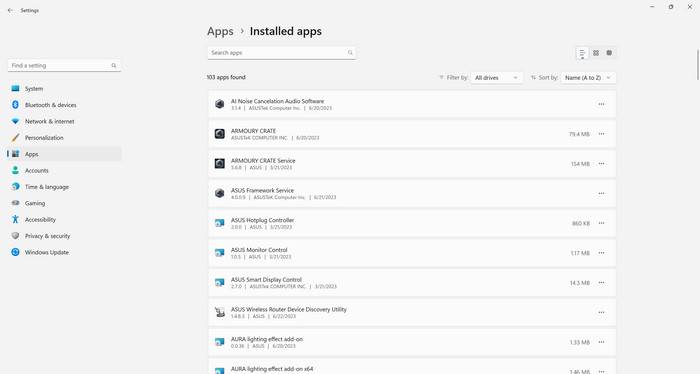
If you decide to remove the Qualcomm Atheros Bluetooth Suite 64 from your system, it is essential to do so correctly to avoid any potential issues. Here is a step-by-step guide:
- Open the Control Panel on your Windows system.
- Select “Programs” or “Programs and Features.”
- Locate the Qualcomm Atheros Bluetooth Suite 64 in the list of installed programs.
- Right-click on the suite and select “Uninstall” or “Remove.”
- Follow the on-screen instructions to complete the uninstallation process.
Alternatively, you can use a reliable uninstallation tool like Revo Uninstaller Free to ensure a thorough removal of the suite and its associated files and registry entries.
Conclusion
The Qualcomm Atheros Bluetooth Suite 64 is a comprehensive software package that enables Bluetooth connectivity and enhances the functionality of Bluetooth-enabled devices. Whether or not you should remove it depends on your specific needs, compatibility, performance, and security considerations.
Before removing the suite, carefully evaluate its importance to your daily usage and ensure that you have suitable alternatives or replacements. If you decide to remove it, follow the proper uninstallation process or use a reliable uninstallation tool like Revo Uninstaller Free to ensure a clean removal.
Remember, the decision to remove the Qualcomm Atheros Bluetooth Suite 64 should be based on your individual circumstances and requirements. Consider consulting with technical experts or seeking advice from the manufacturer if you are unsure about the impact of removing the suite on your system’s functionality.

Join the discussion
0 commentsShare your experience or ask a question about this article.
Discussion
Start the conversation
Have a question or something useful to share? Add the first comment.