


On your first visit, Qumowin.com looks like a modern crypto casino: slick lobby, recognizable games and a big promo code bonus credited the moment you register.
So far, so generous. Then you try to cash out, and Qumowin.com shows exactly what it was built to do.

Overview
Crafted to resemble a trustworthy crypto casino
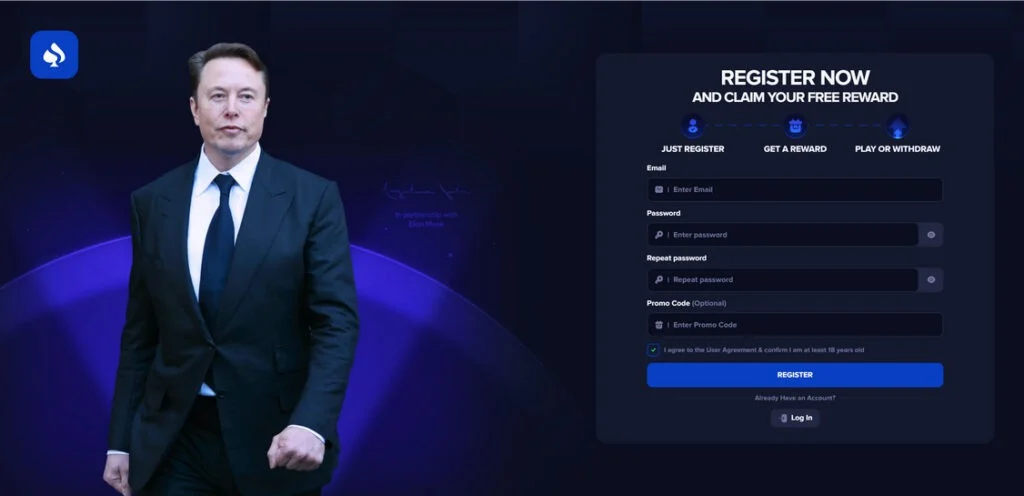
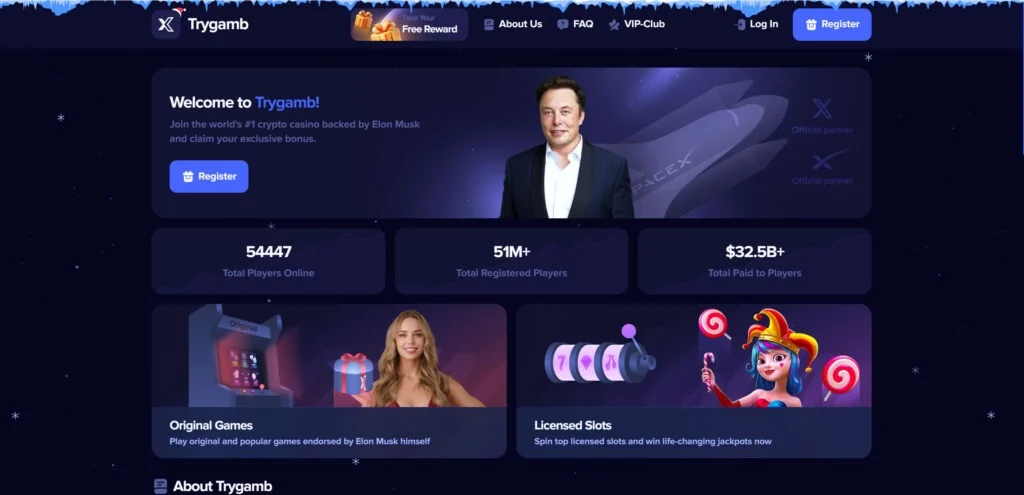
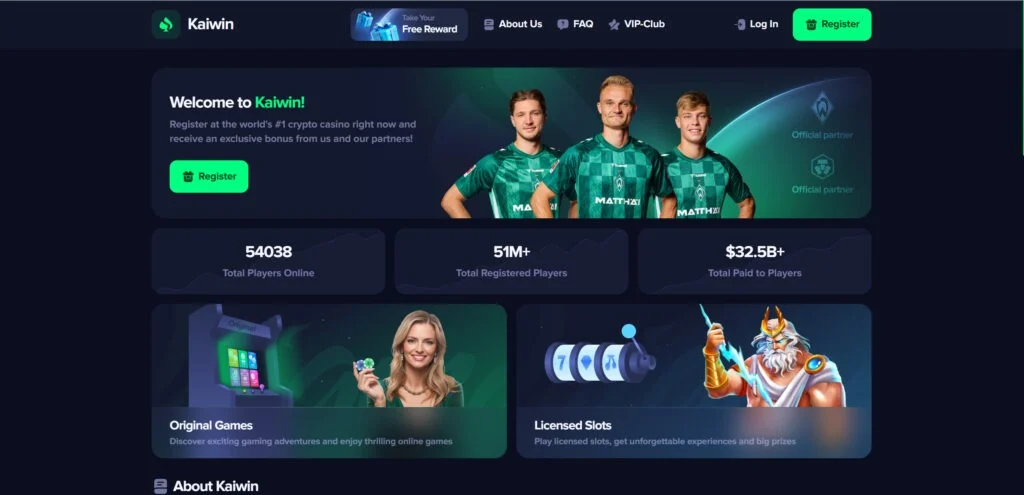
At first glance, Qumowin.com passes for a decentralized gaming platform. That’s because it copies the signals people associate with a real crypto casino:
- A claim to be the “#1” platform, with nothing to back up the ranking.
- Fashionable labels such as “provably fair,” “blockchain” and “decentralized.”
- A glossy lobby modeled on the look of established crypto casino brands.
- Recognizable games, including Crash, Plinko, Mines and slots.
- A big bonus that shows up the moment you register.
- Constantly moving live feeds showing “recent wins” and “withdrawals.”
The first impression is busy, modern and well funded. The second, once you judge it like any service that holds your money, is full of gaps.
The moment your money gets trapped
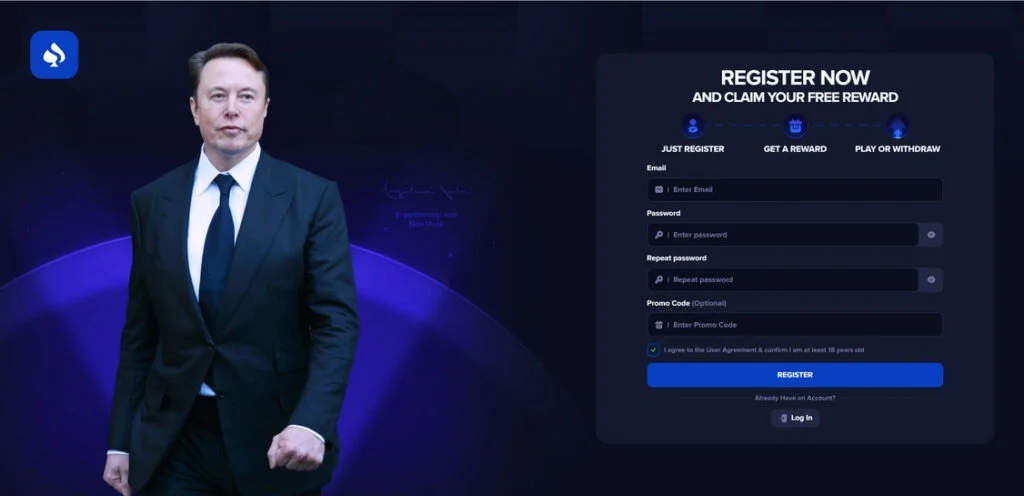
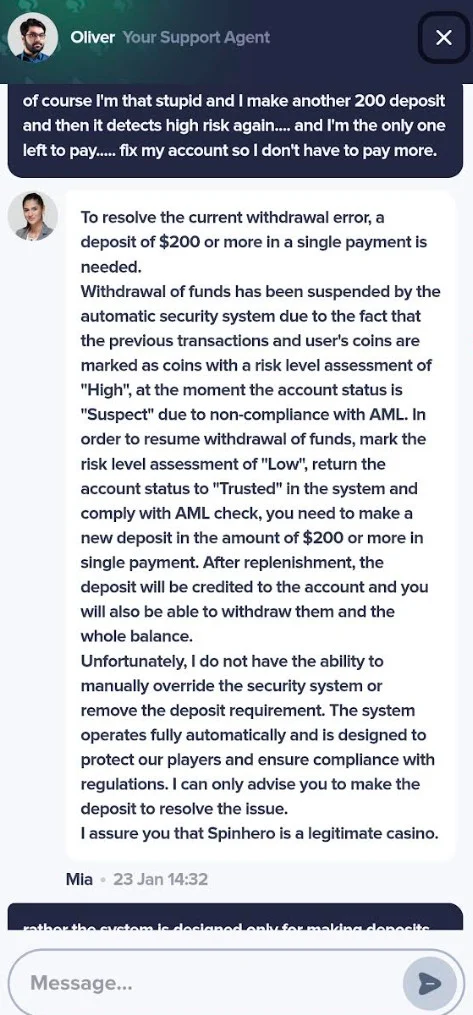
Nothing gets in your way at sign-up or while you play. Then you try your first withdrawal, and the site asks for a new crypto deposit to “verify” your account.
That request is the scam. Pay the deposit and another demand follows. Refuse it and the balance on your screen stays put.
Most of the time, the demand comes labeled with something official-sounding:
- Verification deposit
- Activation fee
- Network fee
- Security deposit
- Wallet validation
Each name is new. The structure is not: an extra payment stands between you and money you supposedly already have.

Qumowin.com is a fake crypto casino. That means no deposit, and no “verification” or “activation” fee to unlock a withdrawal, ever.
What Our Investigation Found on Qumowin.com
Here’s what stands out about Qumowin.com:
- Qumowin.com was registered on November 24, 2026, only 3 days ago.
- Qumowin.com is built from the same site kit as rinawex.com, sorawex.com, hezawin.com and jusawin.com, which MalwareTips has already exposed as scams.
How the Qumowin.com Scam Works
You’ll find the same funnel on every site behind this scam. Its steps all lead to one place: your first withdrawal, where the real ask begins.
Step 1: Ads and chat groups seed the promo codes
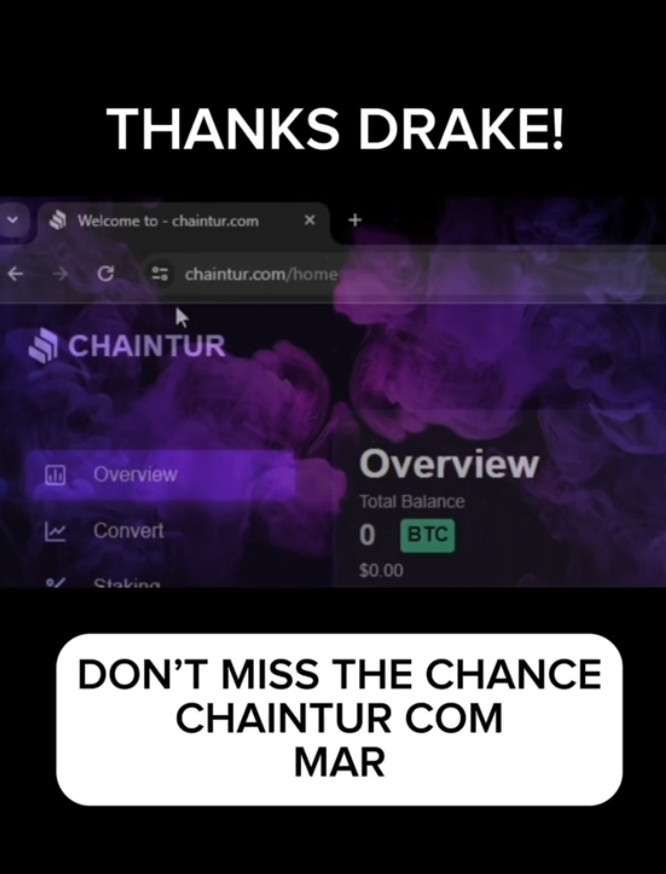
How do people end up on Qumowin.com? Rarely by searching. Sites like it are pushed through TikTok clips, YouTube ads, Facebook and Instagram posts, or Discord and Telegram groups.
Expect the same ingredients each time: a promo code, a bonus worth thousands, a “limited time” warning, plus screenshots showing huge balances or payouts.
Checking loses out to speed on these channels. A clip is over in seconds, the code looks exclusive, and the comments are full of people claiming to have been paid.




Step 2: Sign-up is finished in seconds
You won’t be asked for much. Identity checks are missing, proof of address isn’t required, and often your email isn’t even confirmed.
None of that is an accident. The faster you get from landing to playing, the less chance you’ll stop to look for reviews and warnings.
Some sites ask for your crypto wallet instead. Never approve wallet permissions for a site like this, because a single approval can let it drain your wallet.
Step 3: You get a bonus balance to play with
The promo code unlocks a big bonus, often $2,000 to $10,000. That means you begin playing with money that was never really yours.
Plenty of players win early. A bigger balance means more confidence, and the next move, cashing out, starts to feel like paperwork.
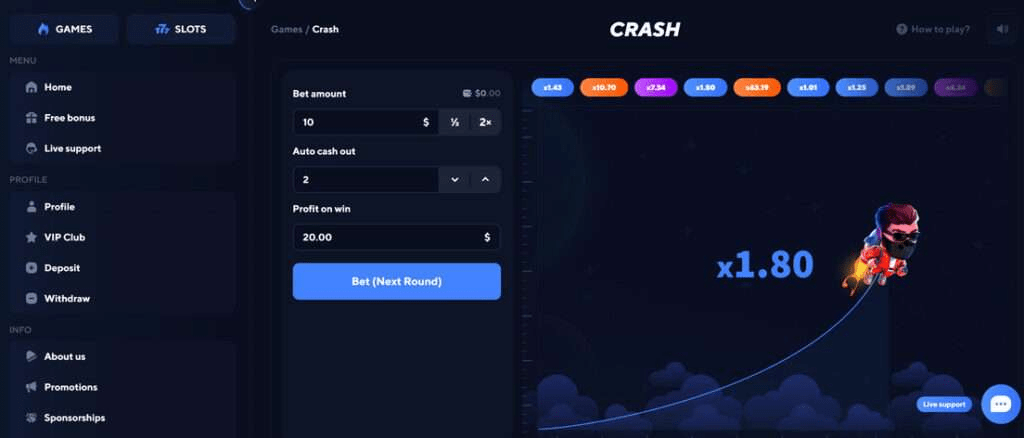
From Crash to Plinko, Mines, dice and slots, the games run smoothly. Polish like that proves nothing; it’s meant to make you trust that a withdrawal will work.
Step 4: The first withdrawal attempt gets stopped
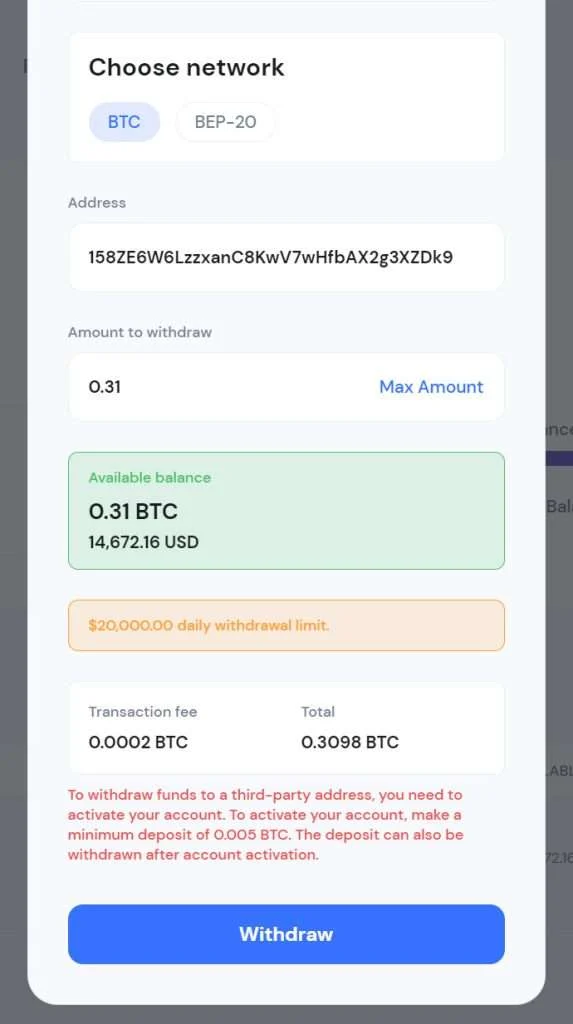
Ask for your money and the site changes its tune. You get no payout, just a note about verification, a locked wallet or a minimum deposit:
- “Withdrawals are locked until verification is complete”
- “Minimum deposit required to withdraw”
- “You must verify your wallet before payout”
- “Security check in progress”
Notice that none of them say no. They say yes, right after one more step. That promise is what keeps your hope alive.
Step 5: Asked to pay a “verification deposit”
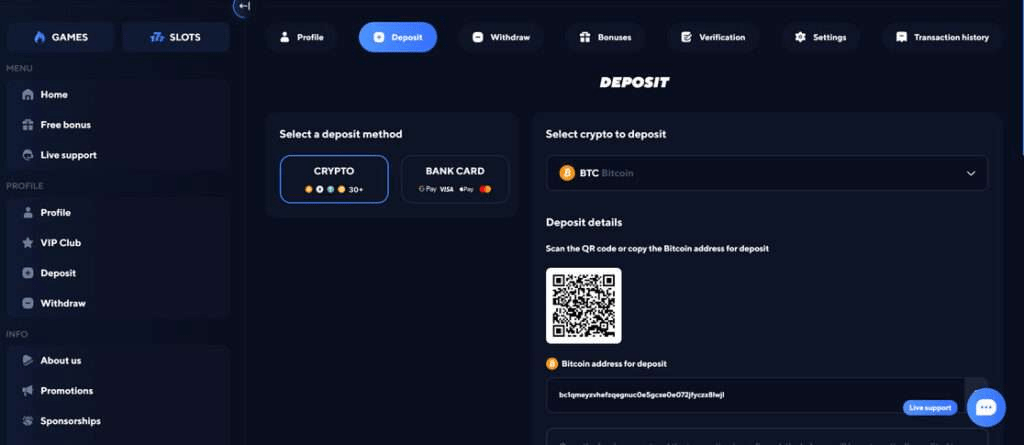
Everything so far leads to this extraction step: a request from the site or its support chat for fresh crypto, commonly $100 to $500, to “activate” withdrawals.
The urgency is manufactured. Some sites flash a countdown, others park a “pending” payout on screen. Either way, the money never shows up, however much you send.
Step 6: The fees multiply before support disappears
The withdrawal doesn’t follow your payment. A fresh requirement does, in the shape of a higher verification tier, a VIP upgrade, a tax on your winnings or a bigger deposit.
The excuses are common too. “Your withdrawal is pending.” “Try again later.” “You chose the wrong network.” Each one stalls.
Notice how friendly support is while you’re still paying. When they realize you’re finished, replies come slower, grow vague, and then end altogether.
Red Flags at Qumowin.com
Most red flags below can surface without the others. The first carries the verdict alone. Stacked together, they point to the crypto casino scam kit that runs Qumowin.com.
A required deposit before any payout
You don’t need any other evidence after this. When the site says a fresh deposit is required to release your supposed winnings, the payout doesn’t exist.
Think about how a genuine fee works: it’s subtracted from what you withdraw. A standalone transfer to “unlock” your balance makes sense for one party only, and that’s the scammer.
A giveaway too big to believe
Here’s the giveaway. Welcome bonuses at real casinos have limits and wagering rules written out plainly, while a no-strings bonus worth thousands exists only to hook you.
Look for bonus terms, if there are any. Sites like this usually leave them out, keep them vague or copy them, and never say how you’d withdraw the bonus.
Numbers that keep moving around the clock
Recent wins, fresh withdrawals and a players-online count keep scrolling nonstop. On sites like this, the feed is usually just a scripted animation, not genuine activity.
Try refreshing the page a few times. You’ll tend to see the same usernames and amounts reappear, which tells you the feed is a loop, not live data.
No checkable owner, license or way to raise a dispute
Who runs it, who licenses it, where do disputes go? Real gambling sites answer plainly. Fake casinos like Qumowin.com usually leave those questions unanswered or invent answers.
The regulator’s own register is where a license number gets checked. If the site lists none, or the details don’t line up, consider it unlicensed.
Join in seconds, never cash out
Nobody checks anything when you join, and it’s over in seconds. Only when you ask to cash out does “verification” suddenly matter. That reversal is the trap.
A real casino verifies who you are with documents, either when you sign up or before your first payout. It doesn’t turn that check into a crypto payment.
Customer support that talks about nothing but deposits
Ask a clear question about your withdrawal and the reply still returns to paying. Real support would explain the delay instead of asking for another payment.
The site takes crypto and nothing else
Sites like this refuse everything but crypto deposits, since a crypto payment is almost impossible to undo.
Same Scam Playbook, Different Domains
Domains come and go, but the site behind them looks the same. Qumowin.com shares its layout, games, bonus pitch and withdrawal message with a long list of others.
When you compare them directly, the sites share these fingerprints:
- The same kind of headline, for instance “Decentralized Crypto Gaming Platform #1”
- An identical page layout, with the same game carousel and game list
- A matching bonus pitch that promises far too much
- The same withdrawal message demanding a deposit first
The same kit shows up on lookalike domains like these:
- Bunodex.com
- TryGamb.cc
- Olympus-games.net
- KaiWin.cc
- Betaras.com
- Bezhope.bet
- Acegam.com
- 8BitWin.com
- 7Spiny.com
- Nexusball.com
- Germibet.cc
- Telaxplay.com
- EnyBex.com
- Roarax.com
- Siodex.com
- RuseWin.cc
- Epicdrops.life
You’ll see a fresh lobby name on each domain. The withdrawal message, though, always gives the game away.
These fingerprints mean one thing: don’t pay the site anything to prove it’s honest. For a casino you’re unsure about, run the free test below.
Why the operators keep moving to new domains
Every time the address changes, the operators benefit in several ways:
- The complaints and bad reviews remain tied to the old name.
- The ads carry on, now pointing to a “clean” new address.
- Searching the new name brings up no warnings yet.
- Running one script on many sites puts it in front of more people.
Names come and go, so judge the behavior instead. Every new domain still ends at that same withdrawal wall.
The Withdrawal Wall Test
Here’s a quick test for any crypto casino you’re unsure about. Do it before you deposit a cent.
Check the withdrawal wall in two minutes
- Open an account using a spare email you can throw away and a brand-new password, then jump to the withdrawal page.
- Enter a small withdrawal from the bonus, even $10, and submit it.
- Then read every word of the message you get.
- Does it ask for a deposit, a fee, a wallet connection or a “wallet verification” transfer at any point? Then you’ve reached the wall. Don’t deposit.
This test is free if you run it before you deposit. Run it afterward and it can cost everything you sent.
What the trap sounds like
These are the phrases that give the playbook away:
- “Verification deposit required to withdraw”
- “Activate withdrawals by making a deposit”
- “Pay the network fee to process your withdrawal”
- “One final step to unlock your funds”
One question that reveals the scheme
Ask whether the fee can come out of the withdrawal amount. When nothing shows up in your wallet, stop there. Don’t pay, screenshot the chat and leave the site.
What to Do If You Have Fallen Victim to This Scam
Already deposited? Now the job is to stop the losses, lock down your accounts and hold on to the evidence investigators will need.
- No more payments. Ignore the next verification deposit, activation fee or network fee. Every payment only sets up the next demand.
- Keep a record of everything. Take screenshots of your balance, every withdrawal message and each support chat. Write down the promo code, the deposit addresses and all transaction hashes.
- Let your exchange know. If the crypto left from your exchange account, pass along the receiving address, the transaction hash, the amount and the date. They may flag the wallet.
- Lock down your accounts. Set new passwords for your email and exchange, switch on two-factor authentication, and revoke every wallet permission you approved on the site.
- Clean up your device. Did you install an app or extension for the casino? Uninstall it, then run a scan with Malwarebytes Free.
- Ignore anyone offering to recover your crypto. If they want a fee upfront, you’re looking at a second scam. The FBI has warned about exactly this.
- Tell the authorities. If you’re in the US, report to ReportFraud.ftc.gov and IC3, the FBI’s Internet Crime Complaint Center. Elsewhere, go to your national cybercrime unit or local police.
- Hit report on the ad. Do the same for the account that posted it and the promo code, right on the platform where you spotted them.
- Shrink your exposure. These casinos rely on ads and fake posts to reach players. Running AdGuard in your browser blocks many malicious ads and pop-ups, so fewer get through.
- Tell others what happened. A brief post sticking to the facts (the bonus, the deposit demand, the wallet address) helps someone else recognize this trap.
The clock matters most with crypto, since transfers are hard to reverse. The faster you hand the details to the exchange and the authorities, the better.
Frequently Asked Questions
Is Qumowin.com a legitimate crypto casino?
No. Qumowin.com is a fake crypto casino. You get a bonus balance to play with, but every withdrawal request is met with a demand for another deposit.
The same layout keeps appearing on many other domains, withdrawal trap included. A new site with no warnings online yet is not automatically safe.
Is the sign-up bonus real money?
No. That balance is a number on the screen with one purpose: getting you to play. No deposit you make will ever turn it into a payout.
Can I withdraw my winnings from Qumowin.com?
No. The payout never arrives. Withdrawals sit behind a “verification” deposit, and each payment you make only opens the door to another demand.
Why does Qumowin.com want a deposit to verify my account?
The deposit is the scam itself. Real platforms check your identity using documents; they don’t ask for a crypto payment.
A routine-sounding word hides an advance fee. “Verification” makes you feel like you’re completing a check, when you’re really paying more to unlock money that isn’t there.
I already paid the verification deposit. Should I pay again?
No. Another payment buys another demand, never a withdrawal. Save your evidence, report the transactions to your exchange and send nothing more.
Can someone recover my crypto for a fee?
Proceed very carefully. Scammers go after people who just lost money, and a recovery offer that demands an upfront fee is a common way they strike again.
Recovery services that ask for fees upfront are the target of a specific FBI IC3 warning. The authorities will take your loss report for free.
The Bottom Line
Qumowin.com is a fake crypto casino. However generous the bonus and however busy the lobby, it all ends in the same place: a deposit demand at the first withdrawal.
Don’t put a deposit into Qumowin.com, and don’t pay to unlock any withdrawal. Gambling with crypto? Choose a licensed platform with a named operator.
If you’ve paid anything, your next steps are simple: send nothing more, save every screenshot and transaction hash, and report the wallet addresses to your exchange and the authorities today.

Reviews & discussion
0 commentsShare a firsthand experience, or ask a question.
Community reviews
qumowin.com
Moderated reader experiences, not an editorial verdict.
Start the conversation
Have a question or something useful to share? Add the first comment.