

Have you seen tempting social media ads or websites offering new Rolex watches at deep discounts like 90% off? As alluring as the low prices may seem, these viral Rolex promotions are an elaborate scam designed to steal money and data.
Read on to uncover how these sophisticated watch scams work and how to avoid becoming a victim. You’ll learn the telltale signs across deceitful websites, Facebook ads, Instagram posts, and more that expose the phony markdowns. Don’t let the promise of huge Rolex savings lure you into traps set up by cunning fraudsters.
Overview of the Fake Rolex Discount Scam
For over a century, Rolex has stood as the premier Swiss watchmaker renowned worldwide for their prestigious luxury timepieces that can cost tens of thousands of dollars. This elite status makes Rolex a prime target for opportunistic scammers seeking to exploit their reputation and dupe shoppers.
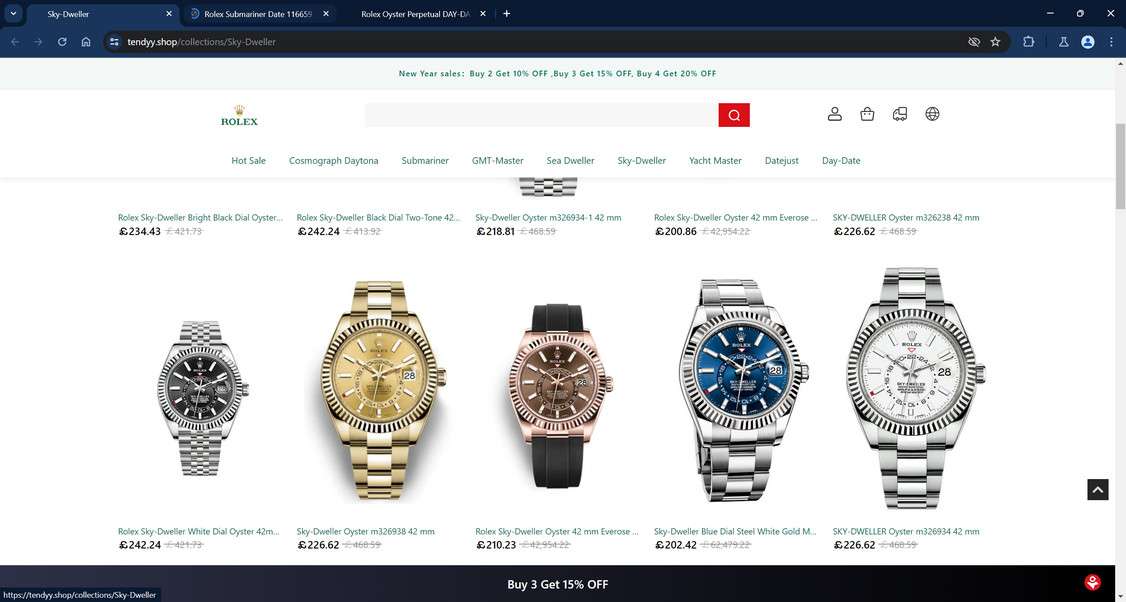
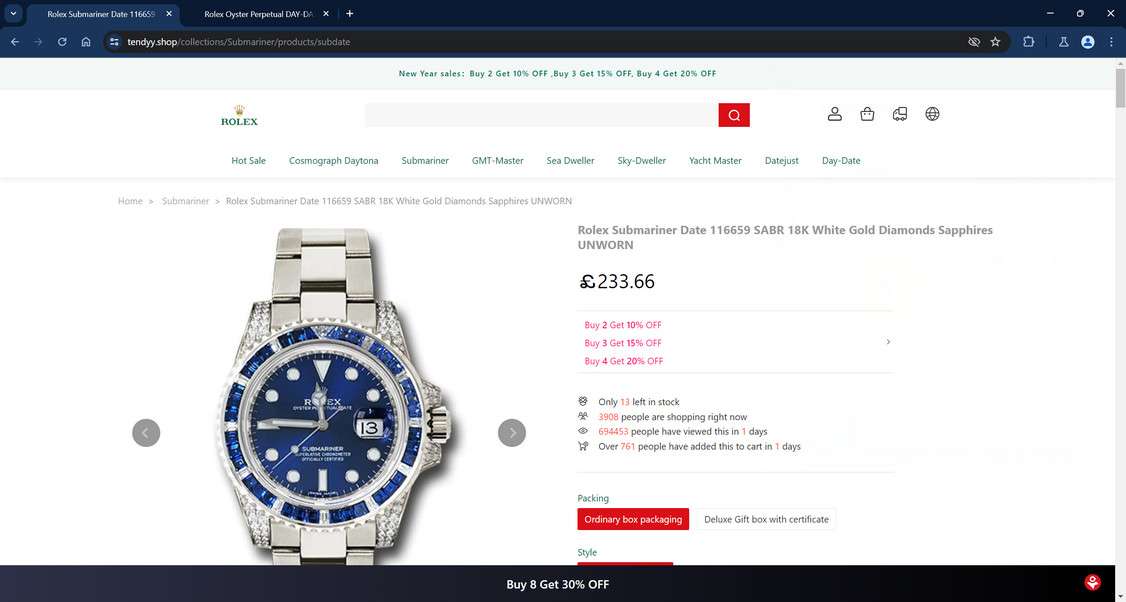
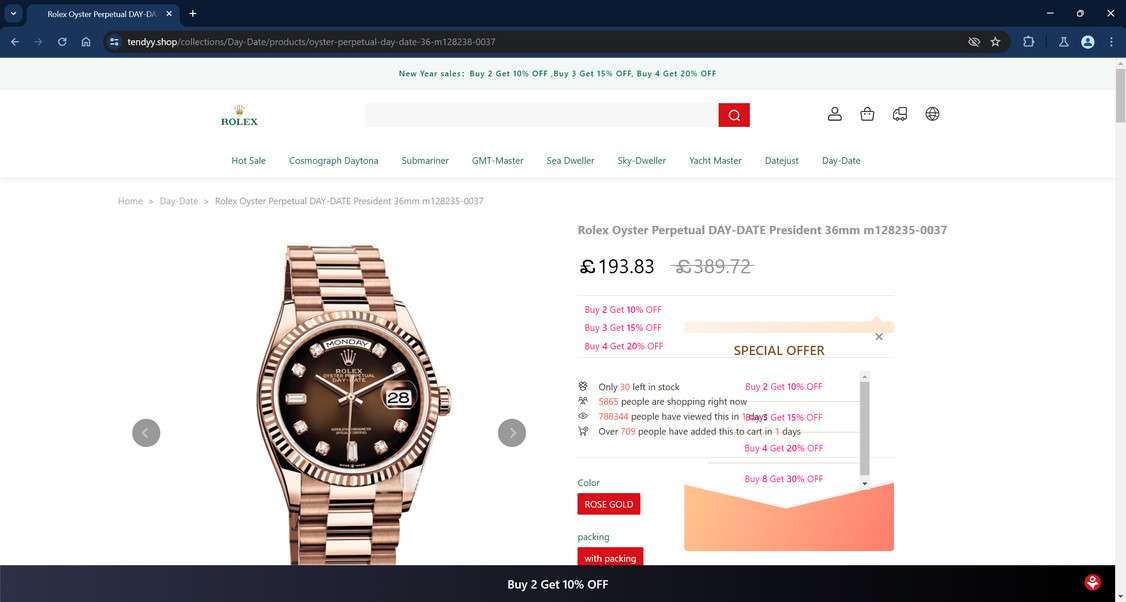
Sophisticated criminals have devised fake Rolex websites, social pages, and online ads that closely mimic the visual aesthetics of Rolex’s official ecommerce experience. They incorporate Rolex’s distinctive green and gold color scheme along with the crown logo, watch models, and branding into the designs.
Many even contain the Rolex name directly in the URL such as “RolexWatchOutlet” or “OfficialRolexStore” to appear more legitimate at first glance.
The scam pages are populated with high-resolution images of Submariner, Datejust, Daytona, and other Rolex watch models stolen illegally from Rolex’s website and catalogs. To the average visitor casually browsing, the imitation sites look convincingly like authorized online Rolex stores.
These fake outlets prominently tout blowout limited-time markdowns on Rolex watches using language like “50% off all models!” and “Entire collection liquidation – all stock must go!”.
Prices shown are unbelievably low, such as $8,000 Submariners for just $300 Daytonas reduced to $150, or $4000 Datejusts marked down to $90. These near-free prices are absurd but act as irresistible lures relying on Rolex’s elite reputation.
The criminals also blanket social platforms like Facebook, Instagram, YouTube, and TikTok with sponsored posts linking to their network of sham sites. The polished ads tout the purported Rolex blowout discounts using similar unbelievable pricing in hopes of driving traffic and conversions.
When a social media user clicks on one of these compelling ads, they are sent to an elaborate fake Rolex web store specifically created for this bait-and-switch scam. Unaware it’s a counterfeit outlet, visitors browse what appears to be a legit authorized Rolex shop stocked with steeply discounted watches thanks to the promoted “liquidation sale”.
After adding enough irresistibly priced Rolexes to their carts, customers proceed through a convincing checkout process entering credit card and personal data – never realizing the site is an intricate scam operation. No orders are fulfilled, but victims’ financial data is stolen and sold illegally.
By expertly impersonating Rolex’s elite branding and spamming implausible deals that prey on wishful thinking, the criminals behind these fake discount offers successfully dupe countless online shoppers seeking the iconic luxury watches at amazing savings. But learning to spot their deceptive tactics is key to avoiding getting ripped off.
How the Deceptive Rolex Scam Works
The criminals running these fake Rolex sales go through coordinated steps to successfully pull off their bait-and-switch scam:
STEP 1. Crafting Realistic Looking Duplicate Websites
The scammers design imitation Rolex websites featuring familiar branding, models, watches and the iconic crown logo. Sites may even contain “Rolex” in the URL.
Content like watch images and descriptions are copied illegally from Rolex.com. To the average visitor, the fakes appear as legitimate alternate Rolex stores.
STEP 2. Promoting Fake Sales on Social Platforms
The fraudsters launch large-scale ad campaigns on Facebook, Instagram, and YouTube promoting their fake blowout Rolex sales, targeting watch and deal seekers.
The ads tout huge markdowns on Submariners, Datejusts, Daytonas and more. Their goal is driving traffic and conversions to their counterfeit sites.
STEP 3. Duping Shoppers with Deals Too Good to Pass Up
When social media users click on the compelling ads, they are sent to the scam sites and see unbelievable prices on Rolex watches thanks to the brand’s reputation.
After adding enough discounted pieces to their cart, they enter payment and personal data during checkout.
STEP 4. Processing Payments But Never Delivering Watches
Victims receive order confirmations so it appears their Rolex purchases went through. However, they never receive any real Rolex watches.
Instead, the scammers process payments from victims and either pocket the money or sell the stolen credit card info.
STEP 5. Staying a Step Ahead of Blacklists
Before being shut down, the scammers quickly launch new fake websites and social media ads to keep duping shoppers seeking Rolex discounts.
They stay ahead of blacklists by continuously creating new sites and ads faster than old ones can be removed. These key steps allow them to successfully target countless consumers with their network of realistic looking fake Rolex websites and compelling social ads. Playing off the brand’s reputation allows them to deceive many victims.
How to Spot the Deceptive Rolex Discount Websites
While the criminals behind these watch scams try hard to mimic the real Rolex website, their sham pages do contain certain red flags that can reveal them as fraudulent:
1. Recently Registered Domain Names
A quick domain registration check often shows these phony Rolex sites were only created within the past few months.
The scammers constantly setup new websites to rip people off, then abandon them once exposed. A recent registration date is a major warning sign.
2. Suspicious URLs Trying to Appear as Rolex
The website URLs themselves tend to be tipoffs, as they try appearing almost identical to Rolex.com through slight modifications.
Watch for extra terms like “Official”, “Shop”, or “Outlet” in the URL:
- RolexWatchOutlet.com
- OfficialRolexStore.net
- RolexWatchesShop.org
Basically any URL besides the real Rolex.com domain should be treated with serious caution before entering info.
3. Plagiarized Website Content
The fake sites feature Rolex’s familiar green and gold template and categories, but lack unique content written specifically for the brand.
All the watch photos, descriptions, and pricing are stolen straight from Rolex.com illegally. A real retailer would never completely plagiarize content.
4. Implausible Discount Levels
Obviously the biggest red flag is deals too good to be true like 70% off the latest Submariner and Datejust models.
Other dubious terms used are “limited time only” and “store closing” to create false urgency around the unrealistic deals.
5. No Contact Information Beyond Email
Highly suspicious indicators are no phone number, physical address, or other valid contact info beyond an email address.
This allows scammers to avoid revealing themselves while still collecting data through order forms. No actual retailer operates without multiple contact methods for shoppers.
Applying extra scrutiny helps spot subtle but consistent patterns across the growing number of fake Rolex websites seeking to bait bargain hunters. Use caution before handing over information or money.
Here is a section with examples on how to recognize the fake Rolex sales scam on Facebook, Instagram and TikTok:
Identifying the Scam Rolex Ads on Social Media
The scammers heavily promote their fake Rolex ‘blowout’ sales across major social platforms via paid ads. Learn what to watch out for on each site.
Spotting the Facebook Scam Ads
On Facebook, the fraudsters create slick posts showing Rolex Submariners and Datejusts. The text touts “Warehouse clearance sale – 95% off all Rolex watches!”.
Warning signs it’s a Facebook Rolex scam include:
- Crazy low prices like $200 Submariners
- Newly created page running the ads
- Page name contains “Official Rolex”
- Link goes to shady site, not Rolex.com
- Comments disabled on the ads
For example, an ad for a $8,000 Submariner discounted to $1,500 is clearly a scam.
Identifying the Fake Instagram Ads
On Instagram, the fake ads feature artsy photos of Rolexes with headlines reading “Running out of stock! Up to 90% off Rolex watches this weekend only!”.
Indicators you’re looking at an Instagram Rolex scam:
- Brand new account only posting ads
- No contact info in bio
- Username contains “Rolex” or “WatchDeals”
- Links go to sketchy URLs
- Comments turned off
Never engage with unbelievable Rolex ‘sales’ run by unknown Instagram accounts.
Recognizing the Fraudulent TikTok Videos
The scammers create AI-generated videos on TikTok showing a Rolex ‘liquidation sale’ event at a store. But it’s easy to identify as fake:
- Brand new account
- Promotes crazy discounts
- Shows no real people or store
- Comments disabled
- Links to shady sites
The artificial videos only exist to direct viewers to the fake discount websites – no real user created them.
Scrutinize all Rolex social media ads thoroughly before clicking or providing any personal information. Stay vigilant across platforms.
What to Do if Scammed By a Fake Rolex Sale
If you placed an order or submitted payment information on a fraudulent website or ad, take these steps:
1. Contact Your Credit Card Provider Immediately
Inform them you suspect fraud and start a chargeback case. Provide any transaction records showing you never received the watches.
2. Report Fake Sites to the Real Rolex
Contact Rolex to inform them of counterfeit websites illegally using their name and branding.
3. Reset Any Passwords Used on the Fake Sites
Change the passwords immediately as a precaution and enable two-factor authentication if you have it.
4. Place Fraud Alerts on Your Credit Reports
Contact the credit bureaus to place 90-day fraud alerts on your credit reports to prevent identity theft.
5. Monitor Your Credit Card Statements Closely
Watch statements routinely for any unauthorized charges and report suspicious activity to your bank right away.
6. File Complaints With Relevant Agencies
Submit official complaints about the scam websites and ads to the FTC, state attorney general, IC3, BBB, and other consumer protection groups.
7. Warn Others About the Fake Rolex Sales
Share your experience across social channels and consumer posting sites to make others aware of the dangerous watch sale scam plaguing Rolex.
Taking quick action helps minimize damages from providing data to deceitful sites and reduce risks of further identity theft. Greater awareness about common online shopping scams protects more consumers too.
Frequently Asked Questions About the Fake Rolex Sales Scam
1. Are the viral Rolex ads for 50-90% off watches legitimate?
Absolutely not. Any social media ads or websites promoting brand new Rolex watches at absurdly low prices are 100% fraudulent. Rolex would never offer legitimate new models at such implausible discounts.
2. What happens if I try to purchase from the fake Rolex websites?
Your credit card info will likely be stolen and sold illegally. You will not receive any real Rolex watch models you ordered despite payment confirmations. At best some victims receive cheap counterfeit watches instead.
3. How can I identify a fake Rolex website?
Look for red flags like recently registered domains, stolen Rolex images, prices too good to be true, flashy “liquidation” slogans, and extra terms like “Official” in the URL. If the URL is anything other than Rolex.com, it’s nearly guaranteed to be fraudulent.
4. Does Rolex authorize these fake online sales?
Absolutely not. Rolex actively works with authorities to identify counterfeit websites misusing their trademarks and duping customers with phony markdowns. Rolex does not benefit from or authorize any of these elaborate scam operations.
5. Can I get into legal trouble for purchasing from the fake Rolex sites?
While knowingly buying counterfeit goods is illegal, the victims of these online shopping scams are generally not prosecuted – the criminals operating the fraudulent sites face legal consequences.
6. How can I get my money back if scammed by a fake site?
Immediately contact your credit card provider and request a chargeback for any unauthorized charges. Provide evidence showing you never received the watches. Check for credit monitoring services that your card may provide if data was compromised.
7. What’s the safest way to buy Rolex watches online?
Only purchase directly through the official Rolex website Rolex.com or 100% verified authorized dealers. Call dealers to validate legitimacy before making purchases or providing any personal data.
8. How can I spot fraudulent Rolex discounts on social media?
Be skeptical of unbelievable prices on new models. Carefully inspect site links, account ages, and other red flags covered earlier. If an offer seems too good to be true, it always is when it comes to Rolex watches.
9. Why are counterfeit Rolex sites and sales so prevalent online?
Rolex’s prestige as a luxury brand makes them highly susceptible to being exploited by scammers. Counterfeiters bank on consumers associating the Rolex name with high prices and not verifying suspicious discounts.
10. Should I be wary of similar scams from other luxury brands?
Yes, this scam model is also used to target shoppers of brands like Omega, Cartier, TAG Heuer, Breitling, and other Swiss luxury watchmakers with fake discount websites and social ads. Apply the same vigilance no matter the brand.
Only buy directly from each watchmaker’s official site or certified dealers. That’s the only way to avoid the rampant fakes promoting unbelievable luxury watch sales online. Stay savvy and don’t get duped.
The Bottom Line – Verify Before Shopping Any Sales
The extreme markdowns like 70% off new Rolex models should set off instant warning bells. But scammers bank on temptation overriding caution when faced with deals too good to be true.
This makes it critical we override wishful thinking and carefully scrutinize suspicious Rolex promotions before providing any sensitive information or payment data. Take time to verify site legitimacy.
With expert counterfeits abounding, exercise extra care when unbelievable discounts seem totally implausible, even from a trusted brand like Rolex. Avoid getting duped by only using Rolex’s official online store for all purchases.
Staying vigilant for common online scam red flags and ignoring emotional impulse responses goes a long way to shopping more intelligently and stopping fraud in its tracks. We can dismantle these criminal networks if we educate ourselves on their underhanded bait-and-switch tactics. Don’t become yet another victim of sham watch sales preying on loyal shoppers and their desire for great deals.

Join the discussion
0 commentsShare your experience or ask a question about this article.
Discussion
Start the conversation
Have a question or something useful to share? Add the first comment.