

When it comes to managing software updates, many users encounter the Roxio Update Manager. This tool is often bundled with various Roxio software products and is designed to keep those applications up to date. However, some users may question whether they should remove the Roxio Update Manager from their systems. In this article, we will explore what the Roxio Update Manager is, its purpose, potential issues it may cause, and whether it is necessary to keep it installed.
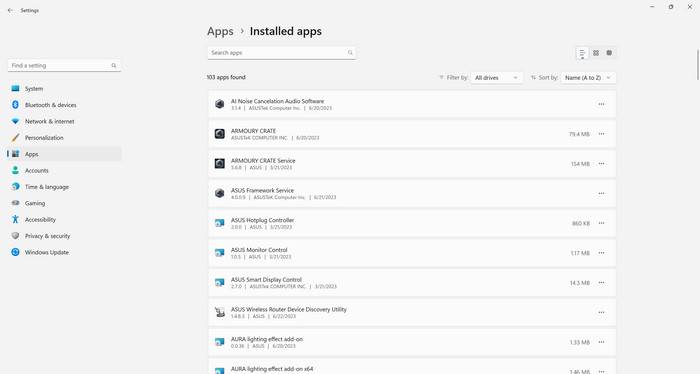
What is Roxio Update Manager?
The Roxio Update Manager is a software component developed by Roxio, a company known for its multimedia software solutions. It is typically bundled with Roxio products such as Roxio Creator, Roxio Easy Media Creator, and Roxio Toast. The primary function of the Roxio Update Manager is to check for updates to these Roxio applications and notify users when new versions are available.
When installed, the Roxio Update Manager runs in the background and periodically connects to the internet to check for updates. If an update is found, it prompts the user to download and install the latest version of the Roxio software. This ensures that users have access to the latest features, bug fixes, and security patches.
Should I Remove Roxio Update Manager?
While the Roxio Update Manager serves a useful purpose, there are several factors to consider when deciding whether to remove it:
1. Usage of Roxio Software:
If you frequently use Roxio software products, it is generally recommended to keep the Roxio Update Manager installed. Regular updates can improve the performance, stability, and security of the software, ensuring you have the best experience possible. Additionally, removing the Roxio Update Manager may prevent you from receiving important updates in the future.
2. System Resources:
One potential drawback of the Roxio Update Manager is its impact on system resources. The tool runs in the background and periodically checks for updates, which can consume CPU and memory resources. If you have limited system resources or notice a significant slowdown in your computer’s performance, removing the Roxio Update Manager may be a viable option.
3. Alternative Update Methods:
If you decide to remove the Roxio Update Manager, it is important to consider alternative methods for updating your Roxio software. One option is to manually check for updates by visiting the Roxio website or using the software’s built-in update feature. However, this requires more effort and may not be as convenient as having an automated update manager.
Another alternative is to use third-party software update tools that can scan your system for outdated software and automatically download and install updates. One such tool is Revo Uninstaller Free, which not only helps with uninstalling software but also provides an update feature for installed applications.
Potential Issues with Roxio Update Manager
While the Roxio Update Manager generally functions as intended, some users have reported issues or concerns related to its usage:
1. Unwanted Notifications:
Some users find the frequent update notifications from the Roxio Update Manager to be intrusive or annoying. If you prefer to have more control over when and how updates are installed, removing the Roxio Update Manager can help eliminate these notifications.
2. Compatibility Issues:
In some cases, the Roxio Update Manager may encounter compatibility issues with certain operating systems or other software installed on your computer. These issues can lead to crashes, errors, or other unexpected behavior. If you experience compatibility problems, removing the Roxio Update Manager may resolve them.
3. Privacy Concerns:
Like any software that connects to the internet, there may be privacy concerns associated with the Roxio Update Manager. While Roxio has not been known for any major privacy breaches, some users prefer to minimize the number of background processes that have internet access. If privacy is a significant concern for you, removing the Roxio Update Manager may be a consideration.
Conclusion
The decision to remove the Roxio Update Manager ultimately depends on your specific needs and preferences. If you frequently use Roxio software and value the convenience of automated updates, it is generally recommended to keep the Roxio Update Manager installed. However, if you have limited system resources, find the notifications intrusive, or encounter compatibility issues, removing the Roxio Update Manager may be a viable option.
Remember, if you choose to remove the Roxio Update Manager, it is important to consider alternative methods for updating your Roxio software. Manually checking for updates or using third-party software update tools can help ensure you stay up to date with the latest features and security patches.
Ultimately, the goal is to strike a balance between convenience, system performance, and personal preferences. By carefully considering the factors discussed in this article, you can make an informed decision regarding the removal of the Roxio Update Manager from your system.

Join the discussion
0 commentsShare your experience or ask a question about this article.
Discussion
Start the conversation
Have a question or something useful to share? Add the first comment.