

Have you seen ads for Samsonite luggage and bags at eye-popping clearance discounts? Prices slashed over 90% off seem too good to pass up. But before jumping on that “blowout sale,” recognize many are outright scams orchestrated to rip you off.
This article exposes how scammers are deceiving multitudes of shoppers with fraudulent Samsonite discounts up to 90% off. We will uncover their tricks to avoid falling victim and losing money to these brazen retail scams. Read on to learn how to identify sham websites, sidestep classic traps, and keep your wallet secure.
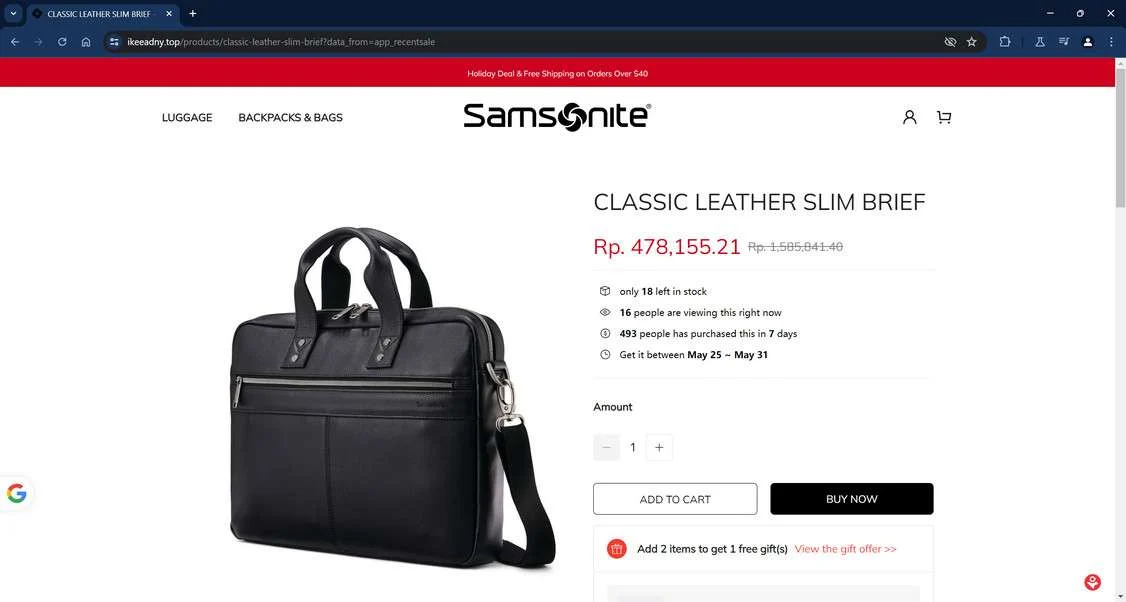
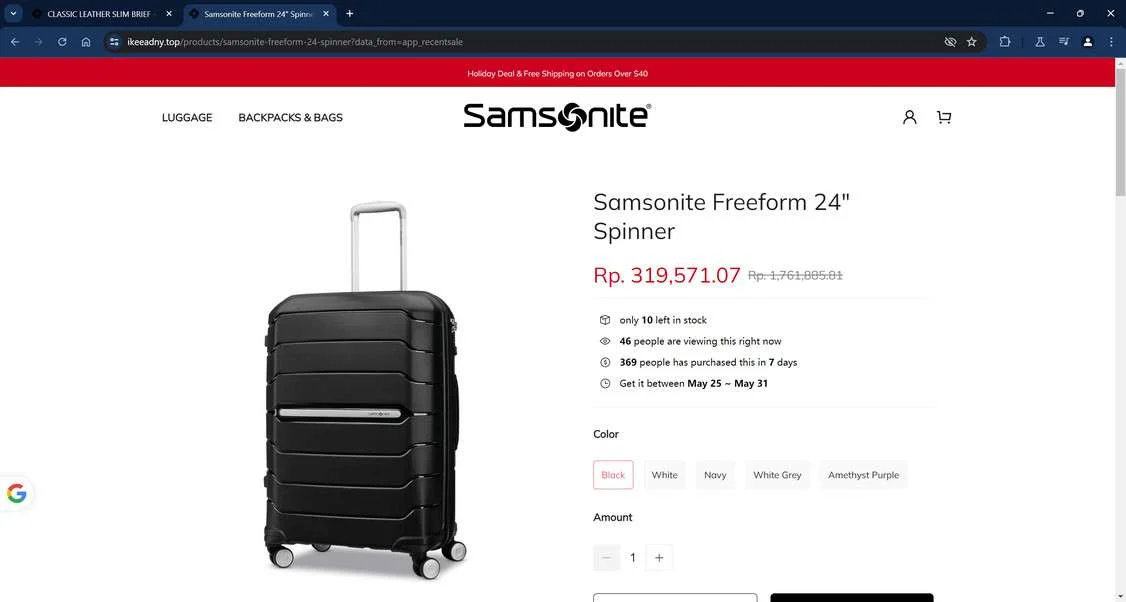
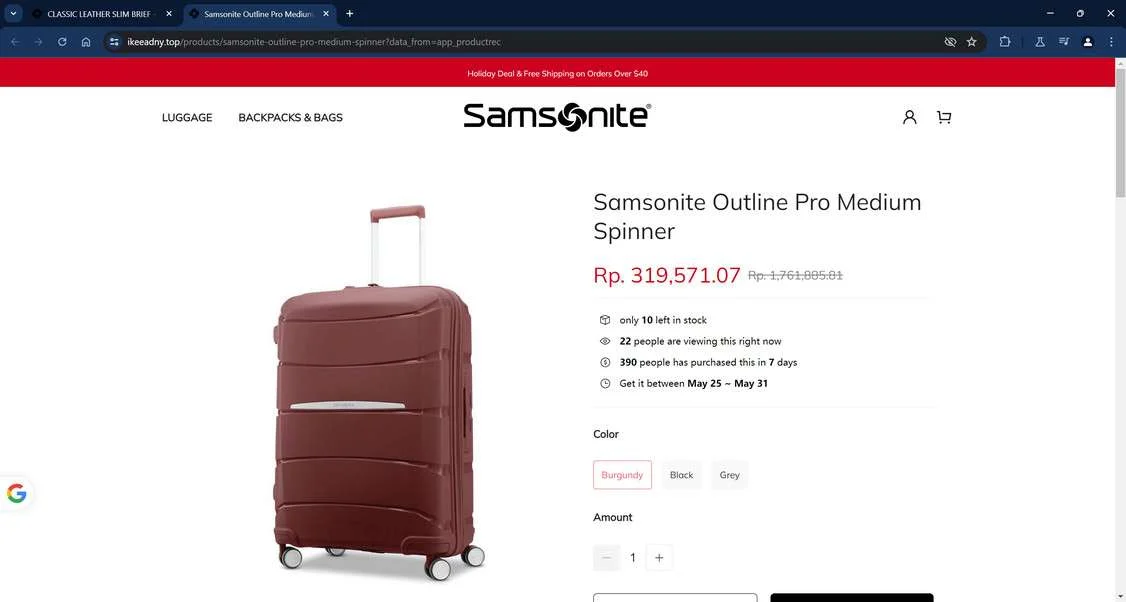
Overview of the Samsonite 90% Off Scam
The Samsonite scam utilizes sham websites disguised as official store outlets which bait customers with unbelievable clearance discounts on popular Samsonite travel gear and accessories. Prices like a $500 suitcase for just $49.99 entice shoppers to hastily make purchases without closer inspection.
However, these rock-bottom prices are a calculated ploy by scam artists operating fake online stores. After checkout, victims soon discover either no products will ship, or they receive a shoddy $20 knock-off bag bearing no resemblance to what was shown online.
By the time shoppers realize it’s a scam, the website has vanished – along with their money. Losses per person often total hundreds of dollars as these sham websites multiply. Samsonite works vigilantly to expose fraudulent sales, but the low overhead means scam websites keep popping up rapidly.
These crafty scammers rely on two key techniques to successfully pull off this bait and switch – deceptive ecommerce websites dressed up as official Samsonite outlets plus tantalizing clearance sale offers blasted through online ads and social media.
The bait starts with ads boasting eye-catching slogans like:
- “Samsonite Blowout Sale – Up to 90% Off Entire Site!”
- “Massive Warehouse Clearance – All Stock Must Go!”
- “Last Chance for Huge Savings – Today Only!”
When a social media user or searcher clicks on these compelling ads, they are funneled to a scam website stealthily designed to mimic a real Samsonite store. The logo, branding, products, and navigation are nearly indistinguishable from the authentic site at first glance.
The most diabolical tactic is the unrealistic clearance prices. Savvy shoppers would normally recognize premium Samsonite gear rarely gets discounted so heavily except on select older models. But seeing 90% off overwhelms logical thinking with rash emotion. Victims hastily enter payment info under the false impression they scored an unbelievable deal.
In the sad aftermath, disappointed customers report they either got absolutely nothing or a cheap counterfeit product completely unlike what was pictured and described online. By now, the fraudulent website has disappeared – but not before harvesting credit card details from duped shoppers. This sensitive data often gets trafficked and sold on the black market to commit future fraud.
This formula has successfully ripped off uncountable online shoppers lured in by fake clearance sales on Samsonite products. The company tries alerting consumers, but new scam websites keep popping up. With vigilance, customers can learn to spot illegitimate Samsonite websites and avoid being manipulated into giving up their hard-earned money. But it takes diligence given how convincing the fake stores appear on the surface.
The bottom line is authentic deals only come from authorized major retailers and Samsonite’s own website. Beware unbelievable price cuts over 50% off on the latest Samsonite models – and 90% discounts are almost certainly a scam. When a promotion seems too amazing to be real, it nearly always is. Use caution when evaluating limited-time promotions painted as clearance bargains. But armed with knowledge, shoppers can evade this devious Samsonite discount scam.
How the Samsonite 90% Off Scam Works
The Samsonite clearance sale scam employs predictable techniques at each stage to successfully rip off customers under the guise of blowout discounts. Here are the key steps scammers use to execute this deceitful bait and switch:
1. Bait Shoppers with Compelling Social Media and Search Engine Ads
The first step relies on baiting in potential victims. Scammers aggressively run online advertisements on platforms like Facebook, Instagram, TikTok and Google Ads promoting the unbelievable Samsonite discounts.
These display compelling slogans and emotional wording to catch user’s attention like “95% Off All Items!”, “Massive Store Closing Sale” and “Last Day Left for Huge Savings!”
2. Drive Traffic to a Fake Ecommerce Website
When someone clicks on these dubious ads, they get funneled directly to an elaborately crafted scam website designed expressly to mimic an authorized Samsonite retailer. The visual branding, logo usage, products, and content are nearly indistinguishable from the real thing.
3. Use Persuasion Tactics and False Scarcity
The fraudulent Samsonite outlet pages utilize psychological manipulation to encourage immediate purchases and overcome hesitations. Countdown timers, claims of low stock, and language conveying urgency aim to produce hasty impulse buying.
4. Collect Shopper’s Payment and Personal Information
If the tricks work as intended, the scam website will harvest the victim’s credit card and personal address details during checkout under the false pretense of a secure purchase. Financial data is the scammers’ top objective.
5. Never Ship the Promised Products
Here is where affected shoppers learn the unfortunate truth – no Samsonite luggage will ever ship to them. Or even worse, they may eventually receive a cheap counterfeit bag worth a few dollars that vastly underperforms expectations.
It becomes clear the unbelievable deals were just a finessed ruse to pilfer credit cards and money from eager shoppers. The website disappears without any way to address the sham purchases.
6. Relaunch New Scam Websites to Rinse and Repeat
Like an endless game of whack-a-mole, scam websites continuously pop up for a short time before being taken down and replaced with fresh domains. The low cost of quickly setting up fake stores makes this tactic highly efficient.
These are the core strategies used to successfully pull off Samsonite clearance scams at scale while avoiding the hammer of justice. But armed with inside knowledge of their tactics, we can counterattack.
10 Red Flags to Spot a Fake Samsonite Website
While scam websites may look surprisingly realistic on the surface, closer scrutiny exposes their fraudulent nature. Watch for these telltale signs to identify sham Samsonite websites:
1. Prices That Are Unrealistically Low
Genuine Samsonite gear is premium-priced for the quality and rarely discounted more than 25-30%. Deep cuts like 90% off are absurdly suspicious.
2. High-Pressure Sales Tactics
Scam sites rely heavily on manufactured urgency cues. Beware countdown timers, claims of low stock, or language that makes you feel you’ll miss out unless you purchase immediately.
3. No Verifiable Contact Information
There should be a real physical address, working customer service phone number, and contact email. Scam sites won’t have this or fabricate details.
4. Domain Name Was Recently Registered
Run a quick domain lookup. Most fake sites will have been registered within the past 3-6 months or less. Rapid domain flipping is common.
5. Reviews Seem Exaggerated or Fake
If reviews seem overly generic, lack real detail, or use stolen images, they were likely fabricated. Genuine sites have more balanced feedback.
6. Site Certification Seals Don’t Link Anywhere
Click on trust badges like Norton or McAfee Secured to validate they lead to real certification not just inert images.
7. Grammar, Spelling and Layout Issues
Sloppy writing with weird phrasing and misspellings often signifies an overseas scam operation.
8. Limited Payment Options
Scam sites shy away from PayPal and only offer credit cards for fast access to your money without buyer protection.
9. No Social Media Presence
Most legitimate brands today maintain social profiles for marketing and customer service. Scams are just hollow shells for processing payments.
10. Logos Look Pixelated or Low Quality
Fuzzy, distorted brand logos were likely lifted from other sites rather than official source files.
Finding multiple red flags is a clear giveaway that something shady is afoot. Use your best judgment and when uncertain, stick to Samsonite.com or known major retailers to avoid being scammed.
How to Spot the Samsonite Sale Scam On Social Media
Identifying the Scam on Facebook
- Ads with unbelievable discounts like 90% or 95% off Samsonite luggage rarely ever seen at such low prices.
- Emotional wording like “Store Closing Forever!”, “Last Chance” or “Today Only” aims to produce hasty buying.
- Stolen images depict big piles of Samsonite bags at clearance prices to portray fictional liquidation events.
- The Facebook store pages have no history or real engagement – just shells to process payments.
- No evidence of real customer reviews despite claims of huge sales volume. Reviews may be disabled.
- Clicking ad links goes to scam sites with slight URL variations or typos compared to real Samsonite domain.
Catching Fake Samsonite Sales on Instagram
- Targeted Instagram ads promise prices like a $500 suitcase for $29.99 – huge red flag.
- Captions create false urgency with phrases like “Almost Gone!” and “Selling Fast!”.
- Links in Instagram profiles and posts lead to shady sites dressed up to look like Samsonite’s real website.
- Product images seem irregular or doctored, not authentic official photography.
- No natural engagement on scam account posts – just ads pointing to the fake site.
- Check account history for minimal activity and zero tags from real stores – sign of inauthenticity.
Identifying TikTok Samsonite Scams
- Video ads showcase “blowout sale” prices in captions, voiceovers, on-screen text and graphics.
- Countdown timers, slogans about limited quantities build pressure to bypass scrutiny.
- Links in profiles and posts go to scam websites engineered to mimic Samsonite’s real site.
- Low view counts and engagement on scam posts often bought from bots, not real users.
- Comment sections flooded with generic emojis likely fake too.
Apply extra caution when ads seem too good be true. Verify legitimacy before clicking links and entering payment information. Trust your instincts – outrageous discounts are always scams seeking to capitalize on unwary shoppers.
What to Do If You Are a Victim of the Samsonite Scam
If you unfortunately fell for a fake Samsonite website, stay calm but take quick action to try mitigating the damage:
- Immediately call your credit card and bank to report fraudulent charges so they can start claims.
- Ask your bank to request an urgent wire recall for any transfers sent. Time is critical.
- Place fraud alerts on credit reports and closely monitor statements for at least 12 months.
- Report the fraudulent website to hosts, registrars and consumer protection agencies to get it taken down.
- File an official scam report with your local law enforcement and the FTC to aid investigations.
- Check privacy settings on all social media accounts. Scammers may have accessed personal info.
- Leave online reviews about the scam to make others aware of the website’s fraudulent nature.
- Monitor your credit regularly for any signs of wider identity theft and quickly dispute.
- Adjust spam filters to block any future emails from the scammers in case they sell your data.
- Contact your bank again if you start seeing other suspicious charges or withdrawals.
Swindled customers should act swiftly once a scam is uncovered to limit financial loss and prevent sensitive data from being abused. While lost funds may not be fully recovered, taking countermeasures can help prevent being victimized further by the fraudsters.
Frequently Asked Questions about the Fake Samsonite Clearance Sale Scam
1. How does the Samsonite 90% off scam work?
Scammers create fake ecommerce websites designed to look like real Samsonite outlets. They blast online ads with unrealistic discounts up to 90% off to lure shoppers. Victims visit, purchase deeply discounted items, and provide payment info. But nothing ships, or they receive a shoddy counterfeit product.
2. What techniques do the scammers use?
High-pressure tactics like countdown timers and claims of low stock encourage hasty buying without closer inspection. Plus emotional wording in ads like “Going out of business!” triggers unreasonable impulses versus logical thinking.
3. What are some telltale signs of a scam site?
Ridiculously low prices, recently registered domains, fake contact info and certifications, no social media presence, and exaggerated reviews often done overseas. Any red flags mean avoid entering payment details.
4. Where are the scam websites advertised?
On social platforms like Facebook, Instagram and TikTok. Scam ads highlight unrealistic discounts of 90% off or more and funnel to deceitful sites that mimic real Samsonite.
5. How much money do victims lose on average?
Reported losses range from $50 to $500+ depending on the Samsonite products purchased. But the real damage is credit card theft enabling future fraud.
6. Does Samsonite offer legitimate discounts?
Rarely more than 25-30% except on older models. Beware any “new” Samsonite at 50% off or higher. Check their official website directly for authentic deals.
7. What if I received a counterfeit item?
Contact your bank to dispute the charges and report the site. Counterfeits are illegal and provide no buyer protections or warranty. Samsonite seeks to shut down these scam resellers.
8. How can I spot fake website red flags?
No real contact info, false trust badges, low quality logos, and high-pressure tactics using countdown timers and exaggerated claims of low stock are dead giveaways.
9. Are the scam sites easy to build?
Unfortunately yes. Scammers just need cheap hosting, a cloned template, and stolen branding assets to appear legitimate for temporarily defrauding victims.
10. How can I avoid these Samsonite scams?
Only shop directly on Samsonite’s official website or at reputable major retailers. Any ads promoting unrealistic discounts above 50% off should be considered highly suspicious and risky.
The Bottom Line on Avoiding the Fake Samsonite Sale Scam
At the end of the day, unbelievable deals like 90% off Samsonite luggage are simply too good to be true. What appears to be an incredible clearance bonanza is actually just a crafty ruse to steal credit cards and siphon money from unsuspecting shoppers.
These sophisticated scam websites are designed expressly to mimic legitimate Samsonite outlets. But closer inspection reveals telltale flaws exposing their fraudulent nature. Never enter payment information or personal data into unfamiliar sites offering irrational bargain prices.
When a deal triggers skepticism, listen to your gut instinct. Verify legitimacy thoroughly before purchasing. Check for solid contact info, real reviews, and proof of actual business locations. Beware of enticing ads on social platforms – they often funnel to deceitful sites.
Samsonite and the Better Business Bureau work tirelessly to shut down these networks preying on enthusiastic customers. But consumers must stay vigilant and informed too.
Only buy directly from Samsonite’s official website or authorized major retailers. Sign up for deal alerts and maybe one day you’ll get lucky with an actual clearance or refurbishment sale. But extreme discounts like 90% off are just sensationalized marketing hooks by scam artists running bait and switch schemes.
Apply wisdom when deal hunting online and avoid the hassle of stolen funds and compromised identity due to fake discounts. Stay diligent – and keep your hard-earned money safely away from these Samsonite clearance sale scams.

Join the discussion
0 commentsShare your experience or ask a question about this article.
Discussion
Start the conversation
Have a question or something useful to share? Add the first comment.