

When it comes to connecting your Samsung mobile phone to your computer, you may have come across the term “SAMSUNG USB Driver for Mobile Phones.” This driver software is essential for establishing a stable and reliable connection between your Samsung device and your computer. In this article, we will explore what the SAMSUNG USB Driver for Mobile Phones is, its importance, and whether or not you should uninstall it.
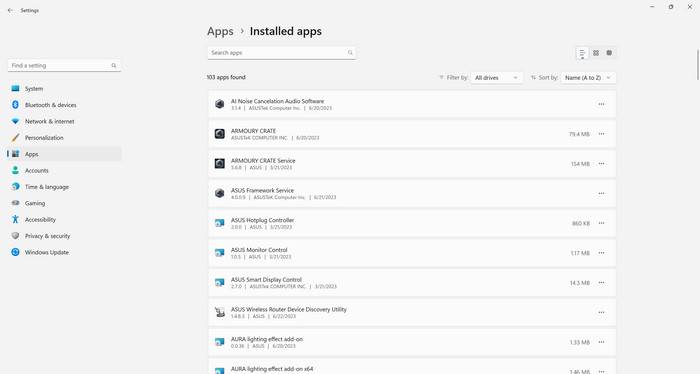
What is the SAMSUNG USB Driver for Mobile Phones?
The SAMSUNG USB Driver for Mobile Phones is a software package developed by Samsung Electronics Co., Ltd. It is designed to facilitate communication between your Samsung mobile device and your computer. The driver allows your computer to recognize and interact with your Samsung device, enabling you to transfer files, flash firmware, and perform other tasks.
When you connect your Samsung device to your computer via a USB cable, the SAMSUNG USB Driver for Mobile Phones acts as a bridge, enabling data transfer and synchronization between the two devices. Without this driver, your computer may not be able to recognize your Samsung device or establish a stable connection.
Why is the SAMSUNG USB Driver for Mobile Phones Important?
The SAMSUNG USB Driver for Mobile Phones is crucial for several reasons:
- Device Recognition: The driver allows your computer to identify your Samsung device when connected via USB. This recognition is necessary for various tasks, such as transferring files, installing firmware updates, and debugging applications.
- Data Transfer: With the driver installed, you can easily transfer files between your Samsung device and your computer. Whether it’s photos, videos, or documents, the driver ensures a smooth and efficient transfer process.
- Firmware Updates: The SAMSUNG USB Driver for Mobile Phones is often required to flash firmware updates on your Samsung device. Firmware updates bring new features, bug fixes, and security enhancements to your device, ensuring optimal performance and user experience.
- Application Development: If you are an app developer, the driver is essential for testing and debugging applications on Samsung devices. It allows you to connect your device to development tools and software, enabling efficient app development and troubleshooting.
Should I Uninstall the SAMSUNG USB Driver for Mobile Phones?
In most cases, there is no need to uninstall the SAMSUNG USB Driver for Mobile Phones. The driver is a legitimate and essential component for connecting your Samsung device to your computer. However, there are a few scenarios where uninstallation may be necessary:
- Driver Issues: If you are experiencing problems with the driver, such as frequent crashes, connection failures, or compatibility issues, uninstalling and reinstalling the driver may help resolve the issue. Before uninstalling, it is recommended to update the driver to the latest version from the official Samsung website.
- Malware Concerns: If you suspect that the SAMSUNG USB Driver for Mobile Phones on your computer is infected with malware, it is advisable to uninstall it. Malware can compromise the security of your device and data. To ensure your computer is free from malware, it is recommended to scan your system with Malwarebytes Free or any reputable antivirus software.
- Unused Driver: If you no longer use a Samsung device or have switched to a different brand, you may consider uninstalling the SAMSUNG USB Driver for Mobile Phones to free up disk space. However, it is important to note that the driver does not consume a significant amount of storage space.
Conclusion
The SAMSUNG USB Driver for Mobile Phones is a crucial software component for establishing a stable and reliable connection between your Samsung device and your computer. It enables data transfer, firmware updates, and application development. In most cases, there is no need to uninstall the driver unless you are experiencing issues or suspect malware infection. Keeping the driver up to date and scanning your system for malware regularly is recommended for optimal performance and security.

Join the discussion
0 commentsShare your experience or ask a question about this article.
Discussion
Start the conversation
Have a question or something useful to share? Add the first comment.