


An email reaches parents about a sale that sounds like a way to help a family at their school. The details sound familiar enough to take seriously.
Before a well-meant reply turns into a deposit, there is an important call to make.
Overview
A real loss made the sale sound believable
A parent said an email circulated among families at a small US school, offering items for sale after a teacher’s husband died. The death itself was real, the parent said.
The message used the teacher’s first name. The parent contacted the person who claimed to handle the sale and discussed the items over dozens of emails.
The parent reported sending two wire deposits of $3,000 each. After checking the story, they reported the transfers.
In a later update, they said the bank could not reverse them.
The report does not tell us how the email reached the parents or where the sender got the personal details.
Here the specific deception was a sale falsely presented as helping a family.
A separate campus warning shows why the story is familiar
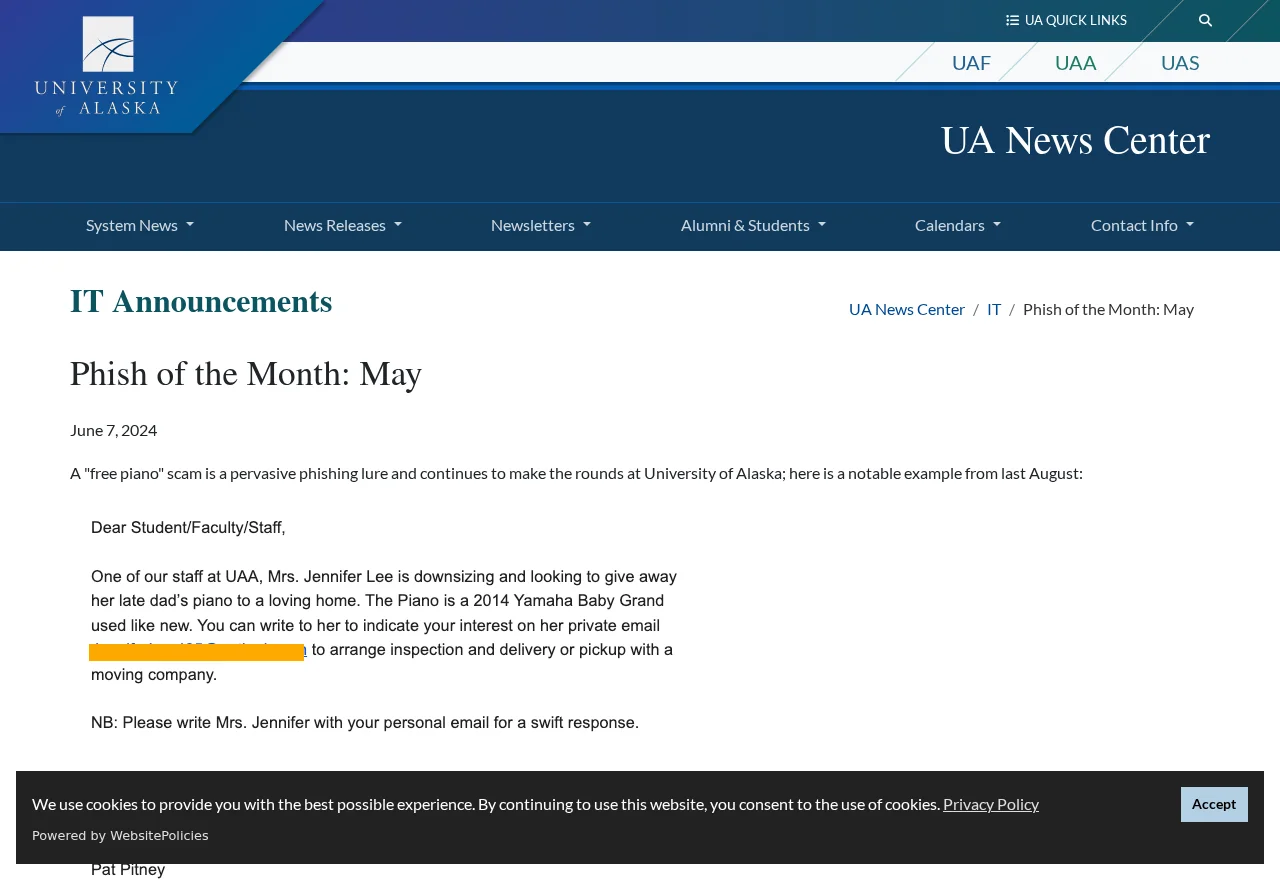
The University of Alaska’s warning describes an email offering a musical instrument that allegedly belonged to a deceased relative. In those examples, a supposed mover asks for payment.
The parents’ account described deposits for items rather than a shipping charge for a free piano. Both cases rely on a personal story making a sale or gift feel normal.
Look for evidence you can check independently:
- The school office or family has an established contact for announcements.
- The supposed organizer can be verified through that contact.
- The items, pickup details, and payment terms appear in records you can confirm.
- A payment recipient can be linked to the actual person authorized to handle the sale.
- The payment request allows enough time for a check with the real school or organizer.
A genuine bereavement can make a false request feel credible. It cannot confirm that the teacher, the family, or the school sent the email.
The family’s timeline contained two separate wires
If you paid more than once, report every transfer. One person may have handled the messages, but the bank needs the individual amount, date, and wire reference for each.
Keep the messages that requested each deposit. A bank may ask what you were told and whether there is another payment scheduled.
Avoid circulating the teacher’s personal details as evidence. The verified school can warn families about the sale message without repeating private facts about the bereavement.
How the Scam Works
Step 1: The email sounds like a community announcement
A school where families regularly volunteer is a plausible place to see a request for help. The parent described receiving many ordinary school and community messages.
Look at how the school normally distributes notices. Open its regular portal or call the office using a number you already know. Ask whether the sale was announced there.
If a friend forwards the message, ask where they got it. A familiar forwarding name can still carry an unverified original email.
If the message seems to come from the school’s real email address, report it for review.
It may still be important to check whether the address or account was used without permission.
Step 2: A second contact takes over the sale
The family said it corresponded with a person claiming to handle the sale. The number of messages made the arrangement feel like a real transaction.
Verify the seller or organizer through a channel independent of that conversation. A name in an email does not authorize a person to collect money for another family.
Ask how you can see the items and who will be there for pickup. Use the real organizer’s contact details to check any changes before you act.
If a genuine family wants privacy, the school or a verified representative can clarify how the sale is being handled. Keep the verification respectful and simple.
Step 3: Deposits are requested before the items are verified
A deposit may be described as a way to hold an item. In the reported case, the parent later said they had sent two payments.
Check each request on its own. A second invoice does not prove the first payment reached a genuine seller. Ask the verified representative whether either payment was expected.
If the beneficiary on a wire does not match the confirmed organizer, pause. Ask for a documented explanation through an independent route before sending anything.
The FTC’s wire-transfer guidance explains why a wire can be hard to get back. A friendly seller conversation does not change how the payment works.
Step 4: The recipient tries to reach the bank after paying
The parent said they called the bank when they recognized the deception, then later learned the wires could not be reversed. That is the reported outcome of this case.
Call quickly if you paid. Ask which team handles wire fraud and whether the bank can request a recall or contact the receiving bank.
Get a reference for each payment and write down whether the request was received.
If the first person cannot find an earlier report, give the references and keep a follow-up record.
If the bank needs more evidence, ask how to upload it privately. A genuine contact should be reachable through the bank’s own number or app.
How a School Can Verify and Warn Without Spreading the Scam
Use the official school contact list before relaying the claim. Ask whether it knows about the email, whether the family approved the sale, and how to report the original message.
If the school confirms it did not send the notice, give families a brief warning through the usual platform.
Say which sale or subject to ignore and where to report payments.
Keep sensitive parts of the story private. An alert can mention an unauthorized sale email without naming the teacher, identifying their family, or describing the circumstances of their loss.
Ask for the original messages if school IT needs them. A forwarded screenshot may not include all the sender or delivery information available in the email.
If a parent reports paying, point them toward their own bank and the relevant fraud reporting channel. Avoid asking them to put wire receipts in a group thread.
If a legitimate fundraiser is happening at the same time
Confirm how it is run through the school or organizing group. Note the page or payment address they publish. Verify any later redirect directly.
If a scam borrowed details from a real fundraiser, the genuine organizer can clarify those differences to the community. Treat any private payment request as a separate claim.
A message about a real cause can still be fraudulent. Reach the organizer through the genuine school route before giving money or contact information.
What a Family Can Confirm Before Paying for Secondhand Items
Start with whether there is an actual sale. A school office can say whether it distributed the message or knows who is coordinating the event.
If the organizer’s name is available, verify it using a contact you already had or one supplied through a trusted school channel. Do not ask the seller to verify themselves.
Ask how buyers can see the items, when they can collect them, and whose approval is needed for a deposit. A real sale has details the organizer can confirm.
If the sale involves a private home, do not post its address in a public warning. Arrange any inspection or pickup through the responsible person you verified.
Check which items are for sale and which prices belong to them. A generic photo or long email exchange does not show where the item actually is.
If a new contact suddenly handles payments, verify that change with the original organizer through the independent route. Keep both sets of messages.
When you paid more than one deposit
Write down the reason for each payment in plain language. Include the item or reservation attached to it, whether the seller acknowledged it, and what date you expected pickup.
Give both wire references to the bank. If one payment has a different recipient or bank, report the discrepancy without making assumptions about who used the account.
Ask whether the bank needs separate records or a single fraud case. If it treats them separately, ask what has happened to each and how to follow up.
If an automatic reply says your documents were received, save it. Compare it with the case you opened by phone or through the verified app before relying on it.
Report any scheduled payment that has not left yet. Give the bank that reference as well. A review of completed payments may not address a later scheduled transfer.
When only the email can still be found
Keep the original email rather than copying the text into a fresh message. Ask the school which format it prefers for reporting. Save the time it reached your inbox.
If the first message was forwarded, ask the parent who shared it to report their original copy separately. Do not ask them to send the message around again.
If the sale included a pickup plan, note whether you actually went to the location. A promise and an actual visit are different events for the bank or police.
Write down the first time you spoke to the real school or a known organizer. Ask them to confirm the sale status without sharing unnecessary details about the family’s loss.
What to Do if You Have Fallen Victim to This Scam
If you sent a wire, call your bank now. Verify the sale independently before making any more payments or meeting somebody at an unconfirmed location.
-
Contact the sending bank immediately. Report fraud and ask about a recall or receiving bank notification. Give each transfer date, amount, and reference.
-
Save the sale records. Keep the original email, listing or descriptions, correspondence, deposit requests, and wire receipts. Record details about any planned pickup.
-
Verify with the school or organizer. Use an existing phone number or portal. Ask whether it authorized the sale and how to submit evidence privately.
-
Report internet-enabled fraud. US victims can use the FBI’s IC3 site and contact local authorities as appropriate. Keep any report confirmation.
-
Keep a written record of the bank’s review. Ask which transfers it checked, what action was available, and when to follow up.
-
Ignore new demands from the contact. Buy no shipping or insurance after the sale becomes suspect. Verify any refund directly with your bank.
If a wire is pending, ask whether it can be stopped. Give the bank the exact reference and do not rely on the seller to cancel it.
If you supplied account or identity details as part of the transaction, tell the provider exactly what you disclosed.
That issue needs its own response even if no payment went through.
Keep the genuine school warning if it helps verify that the message was unauthorized. If the school has not confirmed it yet, describe what you know to the bank anyway.
Frequently Asked Questions
The sender knew a teacher’s family circumstances. Does that verify the sale?
No. A person can know a real detail without being connected to the teacher or authorized to sell anything. Ask through the school or an established community contact.
Keep the message while you check it. The school may want to know which details the email used.
Should I call the family directly about the message?
Use the school’s established contact first if you do not already know the family. The office can confirm announcements or refer you to the real organizer without increasing the burden.
If you have an established relationship, use a number you already know. Give a brief explanation and keep personal details out of wider circulation.
Does a bank wire mean the money cannot be recovered?
Contact the bank quickly. It can assess the status and any recall route. Keep the records and ask for the outcome for each wire.
The parent in this case reported that their bank could not reverse the payments. The result depends on the specific timing and transaction.
What if I received a refund promise from the seller?
Check the bank’s own activity. It can tell you whether a reversal or incoming transfer appeared. Do not pay anything to receive a supposed refund.
If the seller sends a screenshot, preserve it for the report. Continue through the bank’s existing case and keep that contact separate from the seller.
Should I reply to warn everyone copied on the email?
Use the school’s genuine portal or verified contact instead. A reply can expose more addresses or reach somebody who is running the sale.
Send the original message privately to the school or report channel if requested. Let the school warn families without including recipients’ private details.
I sent deposits for two items. What does the bank need?
Report both wires individually, even if the same person asked for them. Give the dates, amounts, recipient details, and transaction references as shown in your records.
Then send the relevant emails showing why each payment was made. Keep the bank’s case number for follow-up.
The Bottom Line
Verify a school estate sale with the real organizer before sending a deposit. Knowledge of a family’s loss is no reason to trust a payment request.
If you already wired money, ask the sending bank about a fraud recall immediately. Keep the full email thread and report each transfer separately.

Join the discussion
0 commentsShare your experience or ask a question about this article.
Discussion
Start the conversation
Have a question or something useful to share? Add the first comment.