

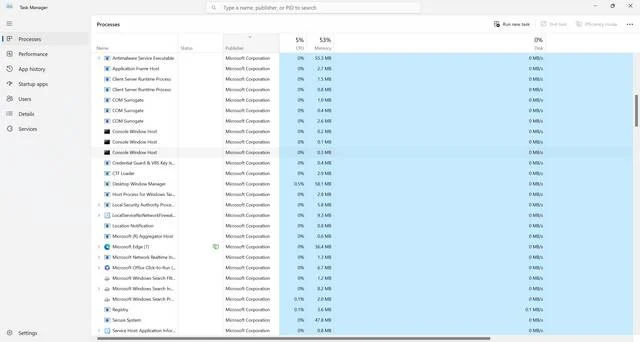
When you open the Task Manager on your Windows computer, you may notice a process called “Service Host: Encrypting File System” running in the background. This process, also known as EFS, is an essential component of the Windows operating system that provides encryption and decryption capabilities for files and folders. In this article, we will explore why the Service Host: Encrypting File System process is running in Task Manager and its significance in maintaining the security of your data.
What is the Encrypting File System (EFS)?
The Encrypting File System (EFS) is a feature introduced by Microsoft in Windows NT 4.0 and is available in all subsequent versions of Windows. EFS provides transparent encryption and decryption of files and folders on NTFS volumes. It uses a combination of symmetric and asymmetric encryption algorithms to protect the confidentiality of data stored on a computer’s hard drive.
EFS allows users to encrypt individual files or entire folders, ensuring that only authorized users can access the encrypted data. When a file or folder is encrypted using EFS, it is automatically decrypted when accessed by an authorized user, making the encryption process seamless and transparent to the user.
Why is the Service Host: Encrypting File System Process Running?
The Service Host: Encrypting File System process, also known as “lsass.exe,” is responsible for managing the encryption and decryption operations performed by EFS. It runs as a background service in Windows and is essential for maintaining the security and integrity of encrypted files and folders.
When you see the Service Host: Encrypting File System process running in Task Manager, it indicates that EFS is actively encrypting or decrypting files on your computer. This process is necessary to ensure that your encrypted data remains secure and accessible only to authorized users.
How Does EFS Work?
When a file or folder is encrypted using EFS, a unique encryption key, known as the File Encryption Key (FEK), is generated. The FEK is then encrypted using the user’s public key, which is part of their digital certificate. This encrypted FEK is stored alongside the encrypted file or folder.
When an authorized user attempts to access an encrypted file or folder, the Service Host: Encrypting File System process retrieves the encrypted FEK and decrypts it using the user’s private key, which is securely stored in their user profile. Once the FEK is decrypted, it is used to decrypt the file or folder, allowing the user to access its contents.
The Importance of EFS in Data Security
EFS plays a crucial role in maintaining the security and confidentiality of sensitive data stored on Windows computers. By encrypting files and folders, EFS protects against unauthorized access, even if an attacker gains physical access to the computer’s hard drive.
Here are some key reasons why EFS is important for data security:
- EFS provides seamless encryption and decryption of files and folders, ensuring that sensitive data remains protected without causing significant disruption to user workflows.
- It allows for granular control over file and folder access, enabling administrators to specify which users or groups can access encrypted data.
- EFS integrates with Active Directory, making it easy to manage encryption policies and user access rights across an organization’s network.
- It protects against data breaches and unauthorized data disclosure, especially in scenarios where laptops or portable storage devices are lost or stolen.
Common Issues and Troubleshooting
While the Service Host: Encrypting File System process is essential for data security, there are some common issues that users may encounter. Here are a few troubleshooting tips:
- If you notice high CPU or disk usage by the Service Host: Encrypting File System process, it could indicate that EFS is actively encrypting or decrypting a large number of files. Give it some time to complete the process, and the resource usage should return to normal.
- If you are unable to access an encrypted file or folder, ensure that you have the necessary permissions and that your user account has the appropriate digital certificate and private key.
- If you suspect that your computer may be infected with malware or viruses, it is recommended to scan your system using a reliable antivirus software. Malwarebytes Free is a popular choice for detecting and removing malware.
Conclusion
The Service Host: Encrypting File System process running in Task Manager is a critical component of the Windows operating system that ensures the security and confidentiality of your data. EFS provides transparent encryption and decryption of files and folders, protecting against unauthorized access and data breaches.
By understanding the role of EFS and the significance of the Service Host: Encrypting File System process, you can better appreciate the importance of data security and take appropriate measures to protect your sensitive information.

Join the discussion
0 commentsShare your experience or ask a question about this article.
Discussion
Start the conversation
Have a question or something useful to share? Add the first comment.