

When you open the Task Manager on your Windows computer, you may come across a process called “Service Host: Local Service Network Restricted” running in the background. This process, also known as svchost.exe, is an essential component of the Windows operating system. Understanding why it is running and its significance can help you ensure the smooth functioning of your computer and protect it from potential threats.
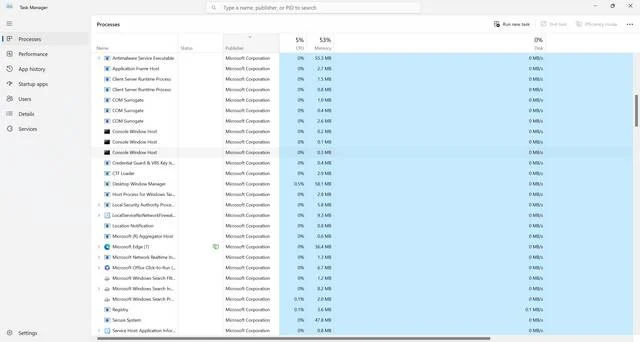
What is Service Host: Local Service Network Restricted?
Service Host: Local Service Network Restricted is a process that acts as a host for multiple Windows services. It is responsible for running various services in the background, allowing them to share system resources efficiently. These services are essential for the proper functioning of your computer and include tasks such as network connectivity, Windows Update, and system event logging.
The reason why multiple services are grouped under a single process is to optimize resource usage. By sharing system resources, such as memory and CPU, the overall performance of the system can be improved. This approach also enhances security by isolating services from one another, preventing a single compromised service from affecting the entire system.
Why is it running in Task Manager?
Service Host: Local Service Network Restricted is running in Task Manager because it is responsible for executing various essential Windows services. These services are necessary for the smooth operation of your computer and perform a wide range of tasks. Some of the common services that run under this process include:
- Windows Update
- Windows Firewall
- Network Connection Services
- Windows Event Log
- Windows Audio
- and many more.
Each service running under the Service Host process has its own unique identifier (PID) and can be individually managed and controlled. If you encounter any issues with a specific service, you can identify it by its PID and take appropriate actions to troubleshoot or fix the problem.
Is it safe or a potential threat?
Seeing the Service Host: Local Service Network Restricted process running in Task Manager may raise concerns about potential threats or malware. While it is true that malware can sometimes disguise itself as legitimate processes, the Service Host process itself is not a threat.
However, it is essential to remain vigilant and ensure that the process is not being exploited by malware. Malware can sometimes inject malicious code into legitimate processes, including Service Host, to evade detection. To ensure the security of your system, it is recommended to regularly scan your computer for viruses and malware using reliable security software like Malwarebytes Free.
How to identify the services running under Service Host?
If you want to identify the specific services running under the Service Host: Local Service Network Restricted process, you can follow these steps:
- Open the Task Manager by pressing Ctrl + Shift + Esc or right-clicking on the taskbar and selecting “Task Manager.”
- In the Task Manager window, navigate to the “Processes” tab.
- Locate the “Service Host: Local Service Network Restricted” process in the list.
- Right-click on the process and select “Go to details.”
- The “Details” tab will open, displaying the specific services running under the selected process.
By identifying the services running under the Service Host process, you can gain insights into the tasks being performed and troubleshoot any issues related to specific services if necessary.
Conclusion
The Service Host: Local Service Network Restricted process is an integral part of the Windows operating system, responsible for running essential services in the background. It optimizes resource usage and enhances security by grouping multiple services under a single process. While the process itself is not a threat, it is crucial to remain vigilant and ensure that it is not being exploited by malware.
By understanding the significance of the Service Host process and being able to identify the services running under it, you can effectively manage and troubleshoot any issues that may arise. Regularly scanning your computer for viruses and malware using reliable security software like Malwarebytes Free can help ensure the security and smooth functioning of your system.

Join the discussion
0 commentsShare your experience or ask a question about this article.
Discussion
Start the conversation
Have a question or something useful to share? Add the first comment.