

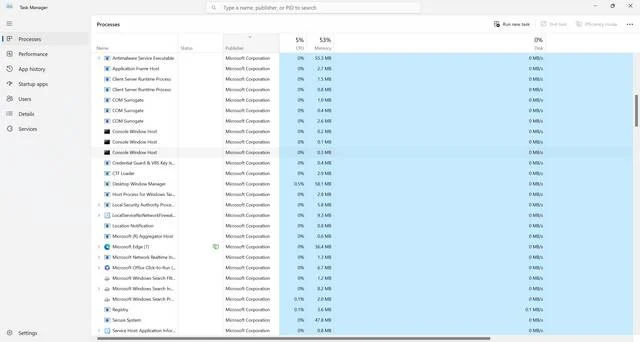
When you open the Task Manager on your Windows computer, you may notice a process called “Service Host: Network List Service” running in the background. This process is responsible for managing and displaying the list of available networks and their associated properties. While it may seem unnecessary or even suspicious to some users, it is actually an essential component of the Windows operating system. In this article, we will explore why the Service Host: Network List Service process is running in Task Manager and its significance in maintaining network connectivity.
Understanding the Service Host: Network List Service Process
The Service Host: Network List Service process, also known as “netprofm.exe,” is a system service that provides network connectivity information to various applications and processes on your computer. It is responsible for managing and maintaining the list of available networks, including Wi-Fi, Ethernet, and VPN connections.
When you connect to a network, the Network List Service process collects information about the network, such as its name, security settings, and connectivity status. This information is then made available to other applications and processes that rely on network connectivity, such as web browsers, email clients, and file-sharing applications.
Why Is the Service Host: Network List Service Process Running?
The Service Host: Network List Service process is running in Task Manager because it is an integral part of the Windows operating system. Its primary purpose is to ensure that your computer can connect to and communicate with networks effectively. Here are some reasons why this process is essential:
- Network Discovery: The Network List Service process enables network discovery, allowing your computer to identify and connect to available networks. It scans for nearby Wi-Fi networks, Ethernet connections, and VPNs, providing you with a list of options to choose from.
- Network Connectivity Status: The process continuously monitors the connectivity status of your computer’s network connections. It determines whether you are connected to the internet, a local network, or experiencing any connectivity issues. This information is crucial for troubleshooting network problems and ensuring a stable connection.
- Network Profile Management: The Network List Service process manages network profiles, which store information about previously connected networks. This includes network names, security settings, and other configuration details. By storing this information, your computer can automatically connect to known networks without requiring manual input.
- Network Location Awareness: The process also helps determine the network location type, such as public, private, or domain. This information is used to apply appropriate security settings and network policies based on the network you are connected to.
Is the Service Host: Network List Service Process Safe?
Some users may be concerned about the Service Host: Network List Service process running in Task Manager, especially if they are unfamiliar with it. However, it is important to note that this process is a legitimate component of the Windows operating system and is not a cause for alarm.
That being said, it is always a good practice to regularly scan your computer for viruses and malware to ensure its security and performance. If you suspect any malicious activity or unusual behavior, it is recommended to run a scan with a reliable antivirus software like Malwarebytes Free.
Managing the Service Host: Network List Service Process
If you encounter any issues related to the Service Host: Network List Service process, such as high CPU or memory usage, you can try the following troubleshooting steps:
- Restart your computer: Sometimes, a simple restart can resolve temporary issues and restore normal operation.
- Update your network drivers: Outdated or incompatible network drivers can cause problems with the Network List Service process. Visit your computer manufacturer’s website or the network adapter manufacturer’s website to download and install the latest drivers.
- Reset network settings: Resetting your network settings can help resolve network-related issues. To do this, open the Command Prompt as an administrator and run the following commands:
netsh winsock resetandnetsh int ip reset. Restart your computer after executing these commands. - Perform a system file check: The System File Checker (SFC) tool can scan and repair corrupted system files that may be affecting the Network List Service process. Open the Command Prompt as an administrator and run the command
sfc /scannow. Allow the scan to complete and restart your computer if any issues are found.
Summary
The Service Host: Network List Service process is an essential component of the Windows operating system, responsible for managing and displaying the list of available networks and their properties. It enables network discovery, monitors connectivity status, manages network profiles, and determines network location awareness. While it may seem unfamiliar or unnecessary to some users, it is a legitimate process that ensures your computer can connect to and communicate with networks effectively.
If you encounter any issues related to the Service Host: Network List Service process, you can try troubleshooting steps such as restarting your computer, updating network drivers, resetting network settings, or performing a system file check. Remember to regularly scan your computer for viruses and malware using reliable antivirus software like Malwarebytes Free to ensure its security and performance.

Join the discussion
0 commentsShare your experience or ask a question about this article.
Discussion
Start the conversation
Have a question or something useful to share? Add the first comment.