

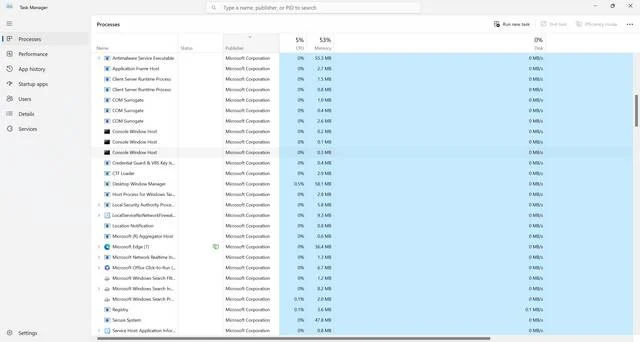
When you open the Task Manager on your Windows computer, you may come across a process called “Service Host: Parental Controls.” This process might raise some questions and concerns, especially if you don’t have any parental control software installed or if you don’t have children using your computer. In this article, we will explore why the Service Host: Parental Controls process is running in Task Manager and what it means for your system.
Understanding Service Host Processes
Before diving into the specifics of the Service Host: Parental Controls process, it’s essential to understand the concept of Service Host processes in Windows. Service Host, also known as svchost.exe, is a generic host process that runs multiple services within the Windows operating system. These services are essential for the proper functioning of various system components and applications.
Windows groups similar services together and runs them under a single Service Host process to optimize system resources. This approach allows for better management and efficiency, as multiple services can share the same process, reducing memory and CPU usage.
The Purpose of the Service Host: Parental Controls Process
The Service Host: Parental Controls process is specifically related to the parental control features offered by Windows. Parental controls are designed to help parents monitor and control their children’s activities on the computer, ensuring a safe and age-appropriate online experience.
Windows includes built-in parental control features that allow parents to set limits on screen time, restrict access to certain websites or applications, and monitor their child’s online activities. The Service Host: Parental Controls process is responsible for managing and enforcing these parental control settings.
Why Is the Service Host: Parental Controls Process Running?
If you don’t have any parental control software installed or don’t have children using your computer, you might wonder why the Service Host: Parental Controls process is running. There could be a few reasons for this:
- Your computer is part of a network or domain where parental control policies are enforced centrally. In such cases, even if you haven’t configured any parental control settings locally, the process may still run to enforce the policies set by the network administrator.
- There might be remnants of parental control software or settings from a previous installation. Even if you have uninstalled the software, some residual files or registry entries may still trigger the Service Host: Parental Controls process.
- In rare cases, malware or viruses can disguise themselves as legitimate processes, including the Service Host: Parental Controls process. It’s crucial to ensure that your system is free from any malicious software by regularly scanning it with reliable antivirus and anti-malware tools like Malwarebytes Free.
How to Determine if the Service Host: Parental Controls Process is Legitimate
If you suspect that the Service Host: Parental Controls process running on your computer is not legitimate or is causing performance issues, you can take the following steps to verify its authenticity:
- Right-click on the Service Host: Parental Controls process in the Task Manager and select “Open File Location.” This will open the folder where the process executable is located.
- Inspect the file properties of the executable. Legitimate Windows processes are usually located in the “System32” folder and are digitally signed by Microsoft.
- Perform a scan with reliable antivirus and anti-malware software like Malwarebytes Free to ensure that your system is not infected with any malware.
Conclusion
The Service Host: Parental Controls process running in Task Manager is a legitimate component of Windows that manages and enforces parental control settings. While it may seem unusual if you don’t have children or parental control software installed, there are valid reasons for its presence, such as network policies or remnants of previous installations. However, it’s always essential to verify the authenticity of the process and ensure that your system is free from any malware. Regularly scanning your computer with reliable antivirus and anti-malware tools like Malwarebytes Free can help keep your system secure and running smoothly.

Join the discussion
0 commentsShare your experience or ask a question about this article.
Discussion
Start the conversation
Have a question or something useful to share? Add the first comment.