

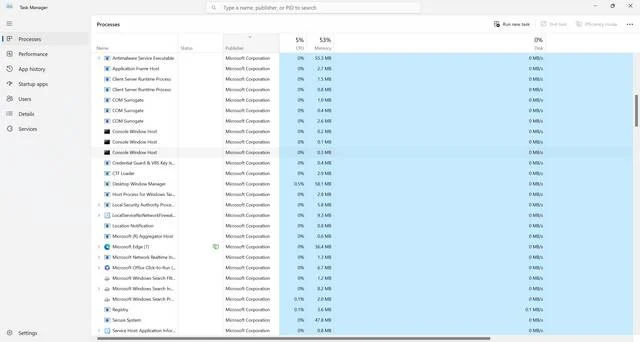
When you open the Task Manager on your Windows computer, you may notice a process called “Service Host: Print Spooler” running in the background. This process is responsible for managing the printing tasks on your system. In this article, we will explore why the Print Spooler process is running in Task Manager and its importance in the printing functionality of your computer.
Understanding the Print Spooler Process
The Print Spooler process, also known as spoolsv.exe, is a crucial component of the Windows operating system. It manages the printing tasks sent to the printer from various applications. When you print a document, the Print Spooler process receives the data and sends it to the printer in the correct format.
The Print Spooler process acts as an intermediary between the application and the printer. It ensures that the print jobs are queued, prioritized, and sent to the printer in the correct order. This allows you to continue working on other tasks while the printing process is ongoing.
Why Is the Print Spooler Process Running in Task Manager?
The Print Spooler process runs in Task Manager to ensure the smooth functioning of the printing functionality on your computer. It needs to be running at all times to handle any print jobs that you send to the printer. If the Print Spooler process is not running, you won’t be able to print any documents.
Additionally, the Print Spooler process may also run in Task Manager if there are any pending print jobs in the print queue. Even if you are not actively printing anything, the Print Spooler process will continue to run in the background until all the print jobs are completed or canceled.
Common Issues with the Print Spooler Process
While the Print Spooler process is essential for printing, it can sometimes encounter issues that affect its functionality. Here are some common issues you may encounter:
- The Print Spooler process may consume high CPU or memory resources, causing your computer to slow down. This can happen if there are too many print jobs in the queue or if there are corrupt print job files.
- The Print Spooler process may crash or stop working, resulting in print jobs getting stuck in the queue. This can happen due to conflicts with other software or outdated printer drivers.
- The Print Spooler process may become unresponsive, causing delays in printing or preventing new print jobs from being processed. This can occur if there are issues with the printer or if the Print Spooler service is not running correctly.
If you encounter any of these issues, it is recommended to troubleshoot the Print Spooler process to restore normal printing functionality. One of the first steps you can take is to restart the Print Spooler service. To do this, follow these steps:
- Open the Run dialog by pressing the Windows key + R.
- Type “services.msc” and press Enter to open the Services window.
- Scroll down and locate the “Print Spooler” service.
- Right-click on the service and select “Restart” from the context menu.
If restarting the Print Spooler service doesn’t resolve the issue, you may need to update your printer drivers, clear the print queue, or perform a system scan for viruses and malware. It is always recommended to use reliable antivirus software like Malwarebytes Free to scan your system for any potential threats.
Conclusion
The Print Spooler process is an integral part of the printing functionality on your Windows computer. It ensures that print jobs are managed efficiently and sent to the printer in the correct order. The process runs in Task Manager to handle any pending print jobs and ensure a smooth printing experience.
If you encounter any issues with the Print Spooler process, such as high CPU usage or print job errors, it is important to troubleshoot the problem to restore normal printing functionality. Restarting the Print Spooler service, updating printer drivers, and scanning for viruses and malware are some of the steps you can take to resolve these issues.
By understanding the role of the Print Spooler process and knowing how to troubleshoot common issues, you can ensure that your printing tasks are completed efficiently and without any interruptions.

Join the discussion
0 commentsShare your experience or ask a question about this article.
Discussion
Start the conversation
Have a question or something useful to share? Add the first comment.