

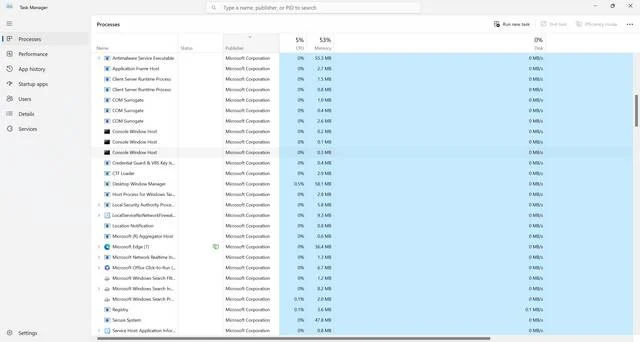
When you open the Task Manager on your Windows computer, you may notice a process called “Service Host: Windows Error Reporting Service” running in the background. This process, also known as WerFault.exe, is responsible for collecting and sending error reports to Microsoft when a program crashes or encounters an issue. While it may seem concerning to see this process running, it is actually a vital component of the Windows operating system. In this article, we will explore why the Windows Error Reporting Service process is running in Task Manager and its importance in maintaining system stability and security.
What is the Windows Error Reporting Service?
The Windows Error Reporting Service is a feature introduced by Microsoft to improve the stability and reliability of the Windows operating system. When a program crashes or encounters an error, the Windows Error Reporting Service collects information about the error, such as the program name, error code, and system configuration. This information is then sent to Microsoft, where it is analyzed to identify common issues and develop solutions.
The Windows Error Reporting Service plays a crucial role in the development of Windows updates and patches. By collecting error reports from millions of users, Microsoft can identify and fix software bugs, compatibility issues, and security vulnerabilities. This helps ensure that future versions of Windows are more stable and secure.
Why is the Windows Error Reporting Service Process Running?
The Windows Error Reporting Service process, WerFault.exe, runs in the background to monitor and collect error reports from various programs on your computer. It is designed to be a passive process that only activates when a program crashes or encounters an error. When this happens, the Windows Error Reporting Service collects the necessary information and sends it to Microsoft for analysis.
Having the Windows Error Reporting Service process running in Task Manager does not necessarily indicate a problem with your computer. It is a normal part of the Windows operating system and should not be terminated or disabled unless you have a specific reason to do so.
Benefits of the Windows Error Reporting Service
The Windows Error Reporting Service offers several benefits to both users and Microsoft:
- Improved System Stability: By collecting error reports, Microsoft can identify and fix software bugs, resulting in a more stable operating system.
- Enhanced Security: The Windows Error Reporting Service helps identify and address security vulnerabilities, protecting users from potential threats.
- Quality Assurance: Error reports provide valuable feedback to Microsoft, allowing them to improve the quality and reliability of their software.
- Efficient Troubleshooting: Error reports help Microsoft identify common issues and develop solutions, making it easier to troubleshoot and resolve problems.
Should I Be Concerned?
Seeing the Windows Error Reporting Service process running in Task Manager should not be a cause for concern. It is a legitimate system process that helps improve the overall performance and security of your computer. However, if you notice any unusual behavior or suspect malware infection, it is always recommended to scan your system with a reliable antivirus or anti-malware software.
Malwarebytes Free is a highly recommended tool for scanning and removing malware. It offers real-time protection and can help detect and remove any potential threats that may be affecting your system.
Conclusion
The Windows Error Reporting Service process, also known as WerFault.exe, is an essential component of the Windows operating system. It collects error reports when programs crash or encounter issues and sends them to Microsoft for analysis. This process helps improve system stability, enhance security, and contribute to the overall quality of the Windows operating system.
While it is normal to see the Windows Error Reporting Service process running in Task Manager, it is always important to stay vigilant and ensure your system is free from malware. Regularly scanning your computer with reliable antivirus or anti-malware software, such as Malwarebytes Free, can help keep your system secure and protected.

Join the discussion
0 commentsShare your experience or ask a question about this article.
Discussion
Start the conversation
Have a question or something useful to share? Add the first comment.