

When you open the Task Manager on your Windows computer, you may notice a process called “Service Host: Workstation” running in the background. This process, also known as svchost.exe, is an essential component of the Windows operating system. In this article, we will explore why the Service Host: Workstation process is running in Task Manager and its significance.
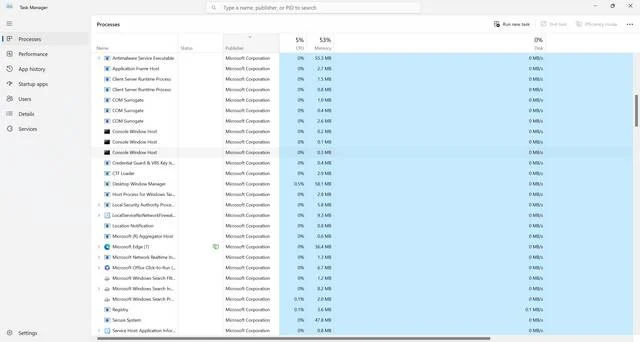
What is the Service Host: Workstation process?
The Service Host: Workstation process is a generic host process that runs multiple Windows services within it. It acts as a container for various services related to network connections and shared resources on your computer. These services include file and printer sharing, network browsing, and distributed file system functionality.
The reason why multiple services are grouped together under the Service Host: Workstation process is to optimize system resources. Instead of running each service as a separate process, Windows combines them into a single process to reduce memory usage and improve overall system performance.
Why is the Service Host: Workstation process running?
The Service Host: Workstation process is running in Task Manager because it is responsible for managing and executing the services related to network connections and shared resources on your computer. These services are essential for various network-related tasks, such as accessing shared files and printers, browsing network resources, and connecting to remote servers.
Here are some specific services that may be running under the Service Host: Workstation process:
- Server: This service allows your computer to share files and printers with other devices on the network.
- Workstation: This service enables your computer to access shared resources, such as files and printers, on other devices.
- Computer Browser: This service maintains a list of computers and shared resources on the network, allowing you to browse and connect to them.
- Net Logon: This service manages domain authentication and logon requests in a network environment.
These services are essential for network functionality, and the Service Host: Workstation process ensures that they are running smoothly in the background.
Is the Service Host: Workstation process safe?
Yes, the Service Host: Workstation process is a legitimate Windows process and is generally safe. However, like any other process, it is possible for malware or viruses to disguise themselves as the Service Host: Workstation process to avoid detection.
If you suspect that the Service Host: Workstation process is behaving suspiciously or consuming excessive system resources, it is recommended to scan your computer for malware or viruses. One reliable tool for this purpose is Malwarebytes Free. It is a trusted antivirus software that can detect and remove various types of malware effectively.
How to identify the legitimate Service Host: Workstation process?
To ensure that the Service Host: Workstation process running on your computer is legitimate, you can follow these steps:
- Open the Task Manager by pressing Ctrl + Shift + Esc or right-clicking on the taskbar and selecting “Task Manager.”
- Click on the Processes tab.
- Locate the Service Host: Workstation process in the list.
- Right-click on the process and select Open File Location.
- A new File Explorer window will open, displaying the location of the process file. The legitimate file should be located in the C:WindowsSystem32 folder.
If the file is located in a different folder or has a different name, it may be a sign of malware or a virus. In such cases, it is recommended to run a scan with Malwarebytes Free to remove any potential threats.
Conclusion
The Service Host: Workstation process is an integral part of the Windows operating system, responsible for managing and executing various network-related services. It allows your computer to connect to shared resources, browse network resources, and perform other network-related tasks.
While the Service Host: Workstation process is generally safe, it is essential to remain vigilant and ensure that the process running on your computer is legitimate. If you suspect any malicious activity, it is recommended to scan your computer for malware or viruses using reliable antivirus software like Malwarebytes Free.
By understanding the purpose and significance of the Service Host: Workstation process, you can better manage and optimize your computer’s network functionality.

Join the discussion
0 commentsShare your experience or ask a question about this article.
Discussion
Start the conversation
Have a question or something useful to share? Add the first comment.