


Some shoppers say an ad led them to expect Clarks shoes, then a Shoewang parcel arrived with something that didn’t match what they ordered.
What happens next depends on which Shoewang page you read. The promise under the store’s own logo is different from the one in its return policy.
Overview
Shoewang is the seller name, not the shoe brand
Shoewang.com presents a broad clothing and accessories store. On the homepage, the seller’s own name appears above a flash sale banner, not a Clarks store sign.
Several shoppers posting on Trustpilot describe ads that led them to expect Clarks. They report receiving unbranded or different shoes. Those are their accounts, not a lab authentication.
Two return windows appear on the same page
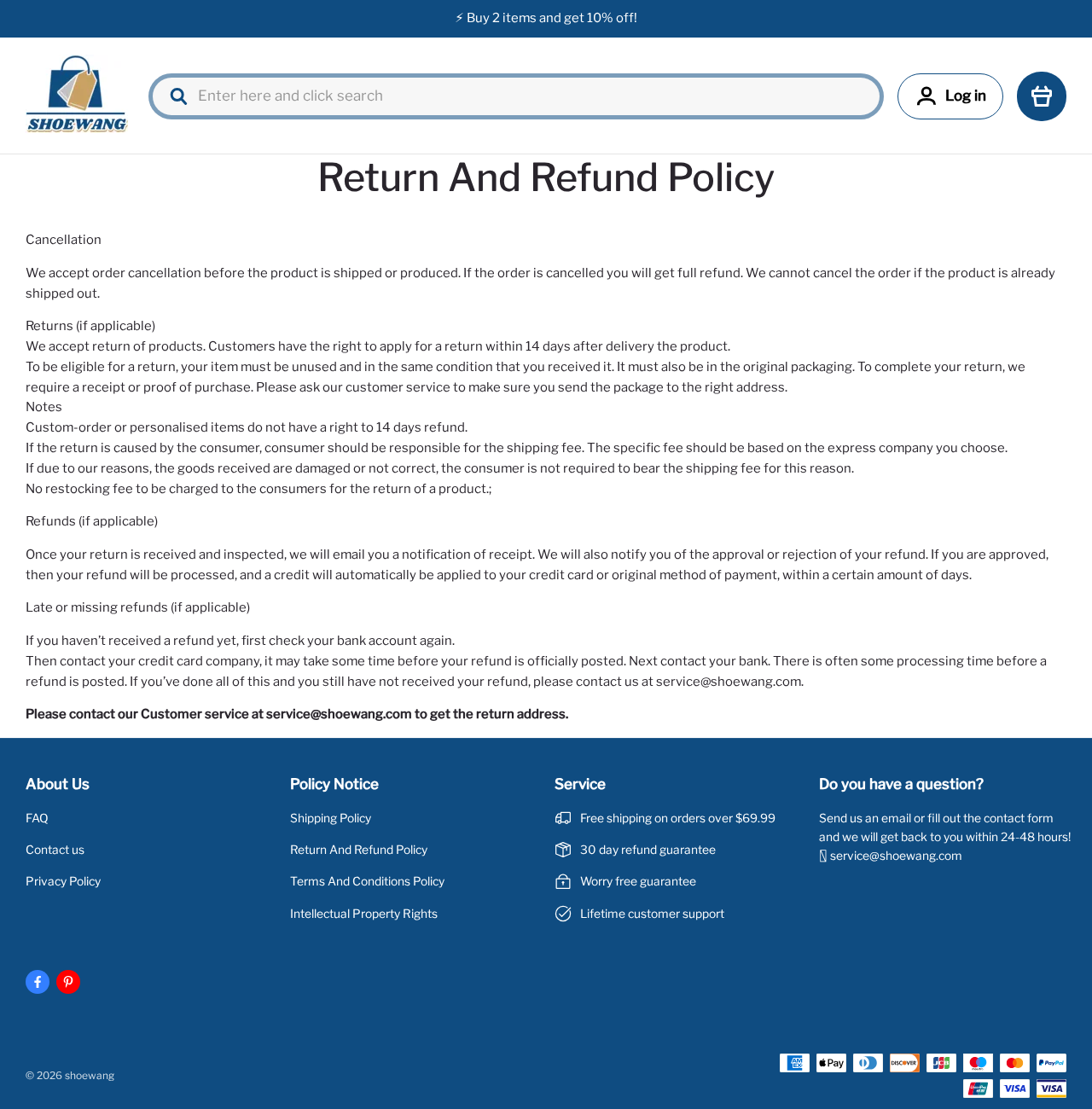
The page footer advertises a 30-day refund guarantee. The written policy on that very page says you have 14 days after delivery to apply for a return.
The policy requires unused goods, original packaging and proof of purchase. It says to ask customer service for the return address rather than giving it directly.
The store lists two companies without explaining their roles
The contact page names Shenzhen Wolin E-Commerce Co., Ltd. in China and KEJU TRADE INC at a Denver address. It doesn’t say which entity takes an individual order.
- Before you buy: don’t treat an ad’s use of a familiar shoe name as proof of what’s in the box.
- If the order arrived: photograph the size label and packaging before trying the shoes outside or removing tags.
- If you need a return: give notice within the shorter published window and ask who pays shipping before sending anything.
What Buyers Say Landed on Their Doorsteps
The reviews attached to shoewang.com tell you what some shoppers say happened after delivery. The useful part is the sequence of events, not the star rating alone.
One reviewer said the listing advertised Clarks, but the delivered shoes didn’t match that expectation or the size. They said support requested photos, then cited shipping costs.
Another reviewer reported ordering a glucose monitor and receiving a pulse oximeter. That describes a different product category, but the complaint points to the same order-versus-delivery problem.
An oximeter estimates oxygen saturation and pulse, not glucose. If that’s what arrived, don’t substitute it for your glucose meter or use it to guide diabetes treatment.
These complaints are not receipts we can authenticate or purchases we’ve repeated. They matter because the seller’s own policy promises to cover return shipping when it sends the wrong item.
That leaves a concrete question for a buyer: can you get a written return address and seller-paid instructions before the window closes? The store’s policy doesn’t answer that in advance.
Who Takes the Order, Ships It and Accepts Returns?
The two company names appear together
Shoewang puts a Shenzhen company and its address first. Below that, it lists a U.S. business name, an employer identification number and a street address in Denver.
Those are the store’s declarations. The page doesn’t explain who is responsible for payment, fulfillment or customer disputes. A Denver contact does not mean your parcel began there.
The Shenzhen listing gives a China connection worth recording. It isn’t enough to tell you which factory made the shoes or which country will receive your return.
The free shipping threshold changes
The storefront advertises free shipping above $69.99. The shipping policy lists $8.99 below $60 and free shipping above $60. Check which rule your basket follows.
Don’t add another item solely to cross a threshold advertised in the header. An extra purchase can cost more than the shipping charge you were trying to avoid.
A banner also promotes a discount for buying two items. A quantity discount isn’t evidence of forced bundles. Preserve your order summary so you can see exactly what you approved.
The delivery estimates don’t fit together cleanly
The shipping page says dispatch normally takes three to seven business days, then delivery generally takes ten to twenty more. It separately gives an estimated total of eleven to eighteen.
Adding the two stated ranges gives thirteen to twenty-seven business days, before any special processing. That doesn’t prove your parcel will be late. It gives competing expectations before you pay.
The page names common U.S. carriers. A carrier logo doesn’t tell you whether your parcel was handed over. Look for an acceptance scan on the carrier’s site.
A contact address isn’t an authorized return address
The policy says to obtain the correct address from customer service. Don’t choose the Shenzhen address, the Denver address or a label sender simply because it’s already printed somewhere.
The public contact page tells shoppers to expect an email response. We didn’t test support by sending an order complaint, so the receipt and any reply you receive are important.
Ask for the return address, any authorization number, the amount to be refunded and the last date for shipping. Get a written answer before paying for postage.
What the Refund Guarantee Leaves Out
On the return page, the big difference is easy to miss. The footer offers thirty days. In the body, the shop tells you to apply within fourteen days after delivery.
Use fourteen days as a practical deadline for making the request, not a statement that it overrides your consumer rights. Record the delivery date from the shipper.
The policy draws a line between a return for your own reasons and one caused by the seller. It makes the buyer pay postage in the first situation.
For the second situation, it says the buyer doesn’t have to pay shipping if the goods are damaged or incorrect for reasons attributable to the seller.
Compare two examples. Ordering the right item in the wrong size is different from ordering a US 8 and receiving a pair marked with a different size.
For that second claim, supply a picture of the label alongside the original order. If the sizing systems differ, include the seller’s own conversion chart instead of assuming equivalence.
The same principle applies if the ad showed a recognizable brand but a generic item arrived. Save the ad and order confirmation together if you can still find them.
If you receive an offer to keep the goods for a partial refund, ask whether accepting it closes the case. Calculate what you’d actually recover before deciding.
Do not confuse store credit with money sent back to the payment method. If support says you were refunded, ask for the amount, method and reference, then check your statement.
How to Check the Ad Against Your Order
Start with the seller listed before payment, not the familiar brand named in the video. One name advertises the thing; the other tells you who is asking for your money.
Use the official Clarks contact page if you want help checking a model or retailer. Clarks’ existence doesn’t authenticate a particular listing elsewhere.
Look for a model name, size system, materials and photos of the actual shoe label. A broad description such as orthopedic comfort doesn’t tell you who manufactured it.
Check the size chart against the number in your basket. If the chart gives a measurement, save both the measurement and the size you selected before closing the page.
A flash sale graphic makes it easy to rush through this. It doesn’t answer whether a comparable pair is available elsewhere or how much it’ll cost to return this one.
When comparing another listing, use the total with tax and delivery. A discount shown against a crossed-out number isn’t the same thing as a verified saving against another retailer.
A seller that publishes a clear return location gives you a better basis for comparing the cost of trying on a pair that might not fit.
What to Record for a Wrong-Item Claim
Build the comparison around the original order
Find the confirmation email before opening another product listing. A renamed or edited listing can show a different size or description from the offer you accepted.
If the confirmation doesn’t name the brand, keep the ad you saw. Record where it appeared and whether it actually sent you to Shoewang rather than a lookalike shop.
Photograph the whole parcel and the delivered pair, then the size tag, model information, box label and packing slip. Keep the unedited originals for the payment provider.
Make a short written comparison: size ordered and size received, brand advertised and markings delivered, model promised and model shown. That format is easier to verify than calling everything counterfeit.
For a device, compare the instructions and model number, not the appearance alone. If the display or instructions describe oxygen saturation, don’t assume a seller can relabel it as glucose.
Keep the return question separate from an exchange
If the merchant offers another pair, ask whether the replacement also requires postage, whether the original refund period continues, and what happens if the replacement is wrong too.
If you agree to an exchange, save that agreement. It explains why the original item may be back with the seller while you are still waiting for the promised remedy.
If the policy excludes personalized orders, check whether the receipt actually describes yours that way. Selecting a standard size isn’t the same as asking for a customized item.
For a return you approve, track the outgoing package and keep proof of delivery to the authorized address. A later bank inquiry may ask for both.
Keep price and quantity separate from the product dispute
Save the card statement and the itemized order. If you bought a second pair for a discount, note whether you want a refund for one item or both.
Record any separate shipping amount before comparing the proposed refund. A partial adjustment should identify the item and amount, rather than leave you guessing which charge it covers.
Use dates rather than saying support has taken too long. List when you received the parcel, wrote first, got an answer and were asked to mail it back.
In a dispute, a receipt, item photo and dated return request together can establish a timeline even if the advert disappears while you’re waiting.
What to Do If You Ordered From Shoewang
- Send the cancellation immediately if the order hasn’t shipped. The seller says cancellation is possible before shipment or production. Record the time of your message.
- Document what was promised and what arrived. Save the size, brand and descriptions. Photograph the item, its packaging and the size or model label.
- Make the return request in writing. Give the order number and delivery date. Explain whether this is a change of mind or the wrong item.
- Ask for a prepaid label when the seller sent the wrong item. Refer to the policy’s distinction and request an authorized address if the claim is accepted.
- Ask your payment provider about a dispute if support stalls. Explain whether the goods didn’t arrive or arrived materially different. Include your written attempt to resolve it.
For a missing parcel, check the tracking number directly with the named carrier. A screenshot from a seller portal is useful evidence, but it’s not the carrier’s own delivery record.
If you see a delivered status and no parcel, keep a copy and note when you first saw it. Check for a delivery photo or signature from the carrier.
Keep the product and all packaging while the dispute is open unless the payment provider or an authorized return instruction tells you what to do with it.
The FTC’s online shopping guidance explains why it helps to keep copies of policies, receipts, and messages. Ask your provider what it needs before deadlines expire.
Frequently Asked Questions
Is Shoewang the official Clarks store?
The storefront identifies itself as Shoewang. Reports of ads using the Clarks name don’t establish an authorized relationship. Verify a seller with Clarks before relying on the claim.
Does Shoewang give me 30 days to request a return?
The site footer advertises a 30-day guarantee, but the detailed policy asks you to apply within 14 days of delivery. Use the shorter window for your request.
Do I have to pay return postage if the wrong size arrived?
The store says buyers don’t bear shipping for seller-caused errors. Show what you selected and the label received. Ask for a written authorization and label.
Should I send the shoes to the Denver address?
Not without authorization. The contact address is not identified as the destination for your parcel. Ask support for the exact return address first.
Can I rely on the free shipping banner?
Check the order summary. The header advertises free shipping over $69.99, while the shipping policy uses $60. Keep a copy of whatever charge you approve.
What if the receipt lists an unfamiliar company?
Save it with the order confirmation and compare it to your card statement. Ask your payment provider to help identify the transaction rather than guessing from a company name.
The Bottom Line
Don’t buy through Shoewang on the strength of a Clarks ad or a 30-day banner. Buyers report mismatches, and the store’s written return window is shorter than advertised.
If your parcel arrived wrong, document the difference and request a seller-paid return in writing within 14 days. If that fails, use your proof with the payment provider.

Reviews & discussion
0 commentsShare a firsthand experience, or ask a question.
Community reviews
shoewang.com
Moderated reader experiences, not an editorial verdict.
Start the conversation
Have a question or something useful to share? Add the first comment.