

If you are looking for skull sculptures or other related products online, you might have come across a website called Skullsculptures.com. This website claims to be an American online store that offers a variety of items at a discounted price. However, before you place an order, you should be aware that this website is a scam and you might end up losing your money or receiving poor-quality products. In this blog post, we will explain what the Skullsculptures.com scam is, how it operates, and what you can do if you have fallen victim to it.
What is the Skullsculptures.com scam?
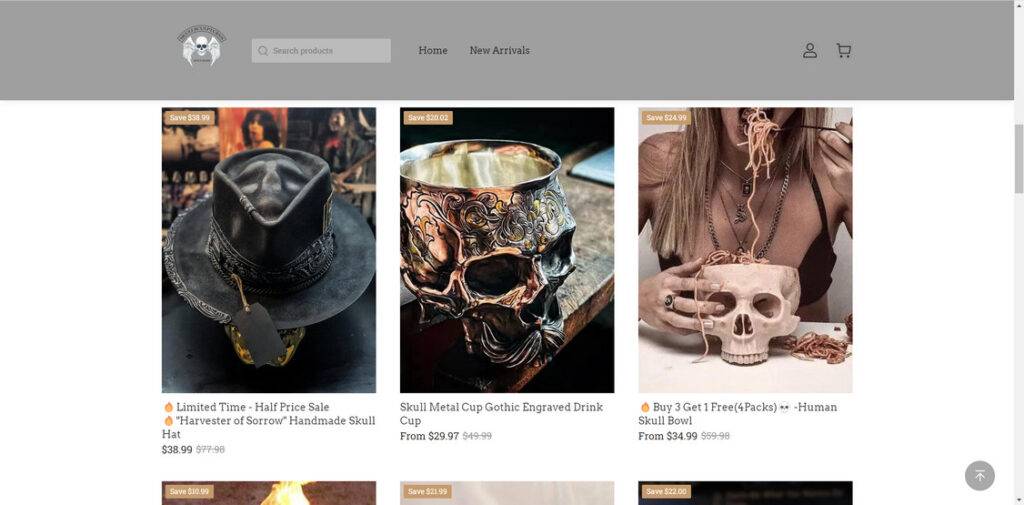
The Skullsculptures.com scam is a fraudulent website that pretends to sell skull sculptures and other related products. The website uses a fake address and phone number in the US, but it is actually based in China. The website also uses copied content from other scam websites in its about us section, which reads:
“At www.skullsculptures.com we love every passion and interest on Earth because it is a reference to your UNIQUENESS. And to create a perfect consumption experience for you is our core vision:
To help you Express Yourself. To support you at www.skullsculptures.com.”
The website also uses stolen pictures of products from other websites or sources, and does not provide any information about the quality, materials, or origin of the products. Customers who order from this website are likely to receive different products than what they ordered, or nothing at all. The website also does not have a secure payment system, and might steal your personal or financial information.
How does Skullsculptures.com operate?
The Skullsculptures.com scam operates by luring customers with attractive prices and discounts on skull sculptures and other related products. The website also uses fake reviews and testimonials to create a false impression of credibility and popularity. The website also advertises on social media platforms such as Facebook and Instagram, where it targets potential customers who are interested in skull-related products.
Once a customer places an order, the website will either send a confirmation email with a fake tracking number, or no email at all. The customer will then wait for weeks or months for their order to arrive, but it will never come. If the customer tries to contact the website, they will either receive no response, or a generic reply that asks them to be patient or to check the tracking number. The website will also refuse to issue any refunds or returns, and will block or ignore any complaints or negative feedback.
What to do if you have fallen victim to the Skullsculptures.com scam?
If you have ordered from the Skullsculptures.com scam website, you should take the following steps as soon as possible:
- Contact your bank or credit card company and dispute the charge. Explain that you have been scammed by a fraudulent website and request a chargeback.
- Report the website to the Federal Trade Commission (FTC) at https://reportfraud.ftc.gov/. You can also file a complaint with the Better Business Bureau (BBB) at https://www.bbb.org/.
- Warn your friends and family about the Skullsculptures.com scam and share your experience on social media platforms and review websites. This will help prevent other people from falling victim to the same scam.
- Change your passwords and security questions for your online accounts, especially if you have used the same ones on the scam website. The scammers might try to access your other accounts and steal more information or money from you.
- If you suspect your device is infected with malware, you should run a scan with Malwarebytes Anti-Malware Free.
Conclusion
The Skullsculptures.com scam is a deceptive website that pretends to sell skull sculptures and other related products, but it is actually a scheme to steal your money and personal information. Do not order from this website or any other similar ones, and always do your research before buying anything online. If you have been scammed by this website, contact your bank or credit card company immediately and report the website to the authorities.

Reviews & discussion
0 commentsShare a firsthand experience, or ask a question.
Community reviews
skullsculptures.com
Moderated reader experiences, not an editorial verdict.
Start the conversation
Have a question or something useful to share? Add the first comment.