Steam by Valve: What It Is & Should I Uninstall It?

Steam, developed by Valve Corporation, is a digital distribution platform that has revolutionized the way we play and access video games. With over 120 million active users and a vast library of games, Steam has become a household name in the gaming industry. However, with the rise of alternative platforms and concerns about privacy and security, many users are questioning whether they should uninstall Steam. In this article, we will delve into what Steam is, its features, and address the question of whether or not you should uninstall it.
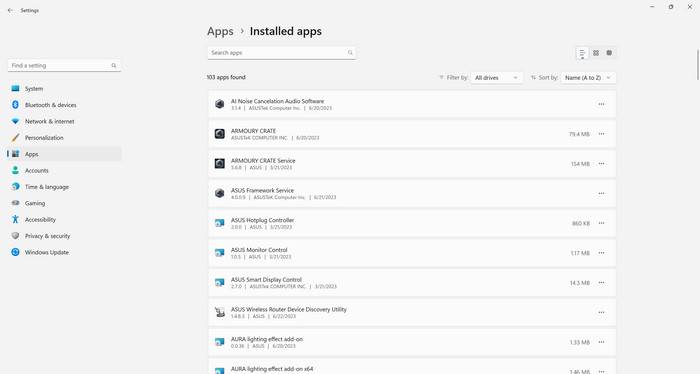
Uninstall Apps

What is Steam?

Steam is a digital distribution platform that allows users to purchase, download, and play video games on their computers. It was first released in 2003 and quickly gained popularity due to its user-friendly interface and extensive game library. Steam offers a wide range of games, from indie titles to AAA blockbusters, catering to the diverse tastes of gamers worldwide.

One of the key features of Steam is its social aspect. Users can connect with friends, join communities, and participate in discussions about their favorite games. Steam also offers multiplayer functionality, allowing players to team up or compete against each other in various online games.

Should I Uninstall Steam?

The decision to uninstall Steam ultimately depends on your personal preferences and needs. Here are some factors to consider:

Game Library:

Steam boasts an extensive game library, with thousands of titles available for purchase. If you enjoy playing a wide variety of games and value convenience, uninstalling Steam may not be the best choice. Steam offers a centralized platform where you can access all your games, manage updates, and easily discover new titles.

Community and Social Features:

Steam’s community and social features are a significant draw for many users. If you enjoy connecting with other gamers, joining discussions, and participating in events, uninstalling Steam would mean losing access to these features. Steam’s community-driven approach fosters a sense of belonging and allows you to engage with like-minded individuals.

Alternative Platforms:

While Steam is the dominant player in the digital distribution market, there are alternative platforms available, such as Epic Games Store and GOG.com. These platforms offer their own exclusive games and promotions, providing users with more choices. If you prefer a different platform or have specific games that are only available elsewhere, uninstalling Steam may be a viable option.

Privacy and Security Concerns:

Privacy and security are valid concerns in the digital age. While Steam has implemented various security measures to protect user data, no system is entirely immune to vulnerabilities. If you have concerns about your privacy or suspect that your Steam account may have been compromised, it is advisable to take precautions. Running a scan with Malwarebytes Free can help detect and remove any potential malware or threats.

Conclusion

Steam by Valve is a popular digital distribution platform that has transformed the gaming industry. Whether or not you should uninstall Steam depends on your individual preferences and needs. Consider factors such as the extensive game library, community and social features, availability of alternative platforms, and privacy and security concerns. Ultimately, the decision should be based on what aligns with your gaming habits and priorities.

Remember, if you decide to uninstall Steam, make sure to back up any saved game data or progress before doing so. Additionally, running a scan with Malwarebytes Free can help ensure that your system is free from any potential threats.

10 Rules to Avoid Online Scams

Here are 10 practical safety rules to help you avoid malware, online shopping scams, crypto scams, and other online fraud. Each tip includes a quick “if you already got hit” action.

  1. Stop and verify before you click, log in, download, or pay.

    warning sign

    Most scams win by creating urgency. Verify using a trusted method: type the website address yourself, use the official app, or call a known number (not the one in the message).

    If you already clicked: close the page, do not enter passwords, and run a malware scan.

  2. Keep your operating system, browser, and apps updated.

    updates guide

    Updates patch security holes used by malware and malicious ads. Turn on automatic updates where possible.

    If you saw a scary “update now” pop-up: close it and update only through your device settings or the official app store.

  3. Use layered protection: antivirus plus an ad blocker.

    shield guide

    Antivirus helps block malware. An ad blocker reduces scam redirects, phishing pages, and malvertising.

    If your browser is acting weird: remove unknown extensions, reset the browser, then run a full scan.

  4. Install apps, software, and extensions only from official sources.

    install guide

    Avoid cracked software, “keygens,” and random downloads. During installs, choose Custom/Advanced and decline bundled offers you do not recognize.

    If you already installed something suspicious: uninstall it, restart, and scan again.

  5. Treat links and attachments as untrusted by default.

    cursor sign

    Phishing often impersonates delivery services, banks, and popular brands. If it is unexpected, do not open attachments or log in through the message.

    If you entered credentials: change the password immediately and enable 2FA.

  6. Shop safely: research the store, then pay with protection.

    trojan horse

    Be cautious with brand-new stores, “closing sale” stories, and prices that make no sense. Prefer credit cards or PayPal for dispute options. Avoid wire transfers, gift cards, and crypto payments.

    If you already paid: contact your card issuer or PayPal quickly to dispute the transaction.

  7. Crypto rule: never pay a “fee” to withdraw or recover money.

    lock sign

    Common patterns include fake profits, then “tax,” “gas,” or “verification” fees. Another is a “recovery agent” who demands upfront crypto.

    If you already sent crypto: stop paying, save evidence (wallet addresses, TXIDs, chats), and report the scam to the platform used.

  8. Secure your accounts with unique passwords and 2FA (start with email).

    lock sign

    Use a password manager and unique passwords for every account. Enable 2FA using an authenticator app when possible.

    If you suspect an account takeover: change passwords, sign out of all devices, and review recent logins and recovery settings.

  9. Back up important files and keep one backup offline.

    backup sign

    Backups protect you from ransomware and device failure. Keep at least one backup on an external drive that is not always connected.

    If you suspect infection: do not connect backup drives until the system is clean.

  10. If you think you are a victim: stop losses, document evidence, and escalate fast.

    warning sign

    Move quickly. Speed matters for disputes, account recovery, and limiting damage.

    • Stop payments and contact: do not send more money or respond to the scammer.
    • Call your bank or card issuer: block transactions, replace the card if needed, and start a dispute or chargeback.
    • Secure your email first: change the email password, enable 2FA, and remove unfamiliar recovery options.
    • Secure other accounts: change passwords, enable 2FA, and log out of all sessions.
    • Scan your device: remove suspicious apps or extensions, then run a full malware scan.
    • Save evidence: screenshots, emails, order pages, tracking pages, wallet addresses, TXIDs, and chat logs.
    • Report it: to the payment provider, marketplace, social platform, exchange, or wallet service involved.

These rules are intentionally simple. Most online losses happen when decisions are rushed. Slow down, verify independently, and use payment methods and account controls that give you recourse.