

Steamwebhelper.exe is a process that runs in the background when you launch Steam, the popular gaming platform. It is responsible for rendering web pages within the Steam client and is used for various features such as the Steam Store, community pages, and in-game overlays. However, some users have reported issues with this process, including high CPU usage and slow performance. In this article, we will explore what Steamwebhelper.exe is, its purpose, and whether or not you should remove it.
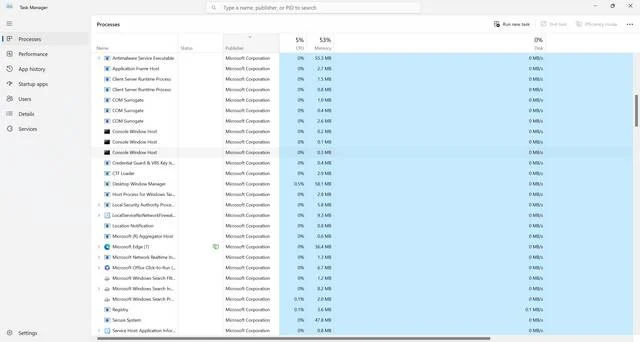
What Is Steamwebhelper.exe?
Steamwebhelper.exe is a legitimate process that is part of the Steam client. It is used to render web pages within the Steam client and is responsible for various features such as the Steam Store, community pages, and in-game overlays. The process is located in the Steam installation folder and is typically found in the following directory:
- C:\Program Files (x86)\Steam\bin\cefcef.win7steamwebhelper.exe
Steamwebhelper.exe is not a virus or malware, and it is not harmful to your computer. However, some users have reported issues with this process, including high CPU usage and slow performance. In some cases, this can be caused by a corrupted installation of Steam or outdated drivers.
Should I Remove Steamwebhelper.exe?
If you are experiencing issues with Steamwebhelper.exe, you may be wondering if you should remove it. The answer is no. Steamwebhelper.exe is a critical component of the Steam client, and removing it can cause issues with the functionality of the platform.
Instead of removing Steamwebhelper.exe, you should try to troubleshoot the issue. One of the first things you can do is to update your drivers. Outdated drivers can cause issues with the performance of your computer, including high CPU usage. You can use a driver updater tool like Driver Booster to scan for outdated drivers and update them automatically.
If updating your drivers does not resolve the issue, you can try to verify the integrity of the game files in Steam. This will check for any corrupted files and replace them if necessary. To do this, follow these steps:
- Open Steam and go to your Library.
- Right-click on the game that is causing the issue and select Properties.
- Click on the Local Files tab and select Verify Integrity of Game Files.
- Wait for the process to complete and then try launching the game again.
If none of these solutions work, you can try reinstalling Steam. This will remove any corrupted files and give you a fresh installation of the platform. To do this, follow these steps:
- Open the Control Panel and select Programs and Features.
- Find Steam in the list of installed programs and select Uninstall.
- Follow the prompts to uninstall Steam.
- Download the latest version of Steam from the official website and install it.
Is Steamwebhelper.exe a Virus?
No, Steamwebhelper.exe is not a virus or malware. It is a legitimate process that is part of the Steam client. However, like any other process, it can be targeted by malware that disguises itself as Steamwebhelper.exe. If you suspect that your computer is infected with malware, you should scan your system with a reputable antivirus program like Malwarebytes Free.
Malwarebytes Free is a powerful antivirus program that can detect and remove malware from your computer. It is easy to use and offers real-time protection against malware, ransomware, and other threats. You can download Malwarebytes Free from the official website and run a scan to check for any malware on your system.
Conclusion
Steamwebhelper.exe is a legitimate process that is part of the Steam client. It is responsible for rendering web pages within the Steam client and is used for various features such as the Steam Store, community pages, and in-game overlays. While some users have reported issues with this process, it is not harmful to your computer, and you should not remove it.
If you are experiencing issues with Steamwebhelper.exe, you should try to troubleshoot the issue by updating your drivers, verifying the integrity of game files, or reinstalling Steam. If you suspect that your computer is infected with malware, you should scan your system with a reputable antivirus program like Malwarebytes Free.

Join the discussion
0 commentsShare your experience or ask a question about this article.
Discussion
Start the conversation
Have a question or something useful to share? Add the first comment.