


An offer can say its accounts were audited and still leave a basic question unanswered: what did the auditor actually check?
A Norwegian enforcement decision against Stiansen & Co shows how far a signed report can fall short of the work readers assume sits behind it.
Overview
Norway’s regulator fined the audit firm
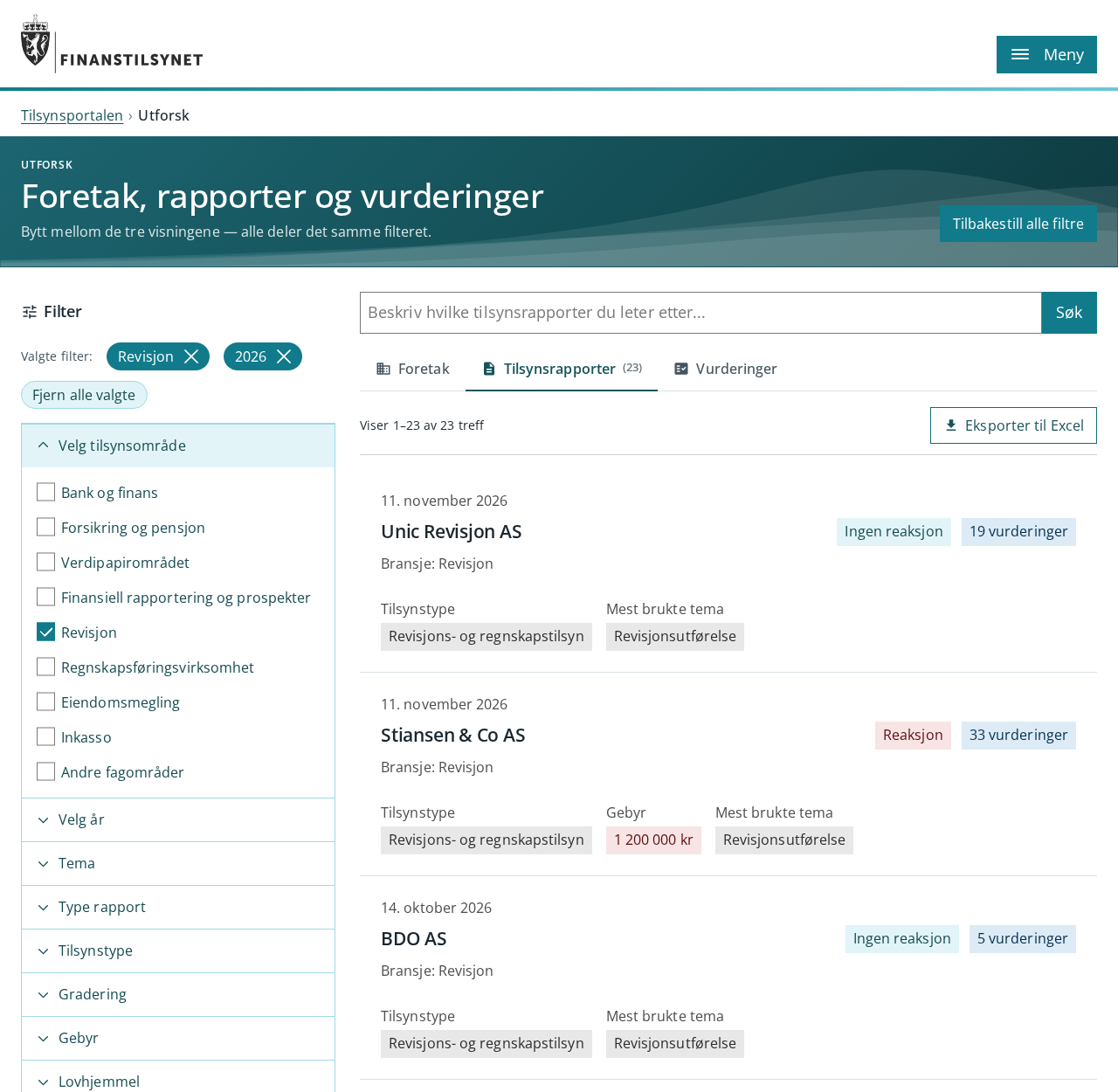
Finanstilsynet imposed an administrative penalty of NOK 1.2 million on Stiansen & Co AS. The decision is dated November 2, 2026. The public notice is dated November 11.
The regulator found serious and recurring failures in how audits were performed. Those included insufficient evidence, inadequate challenge of management statements and poor follow-up of possible legal violations.
The regulator checked actual audit files
The inspection covered eight engagements, in whole or in part. The findings go beyond a disagreement over wording in an audit report. They concern the work supporting those reports.
One unusually serious engagement is called Assignment A. The public decision redacts the client’s identity. It doesn’t name that company in the description of the audit failures.
The penalty does not repay customers or certify an offer
The decision addresses the audit firm. It is not a payout announcement for customers of its clients, a criminal fraud conviction, or a blanket ruling on every engagement.
- Verify the entity: the regulator identifies Stiansen & Co AS by Norwegian organization number 962990746.
- Read the opinion: check the period it covers and whether the report contains a qualification or points to financial distress.
- Verify the offer separately: an audit report doesn’t tell you whether the person offering an investment can legally take your money.
What Finanstilsynet Found in the Audit Files
The regulator’s notice cites insufficient audit evidence and failures in quality checks and follow-up after earlier supervision.
The full decision explains the files in more detail. Its summary says six of seven engagements discussed in that comparison lacked adequate evidence on central items in the accounts.
That figure is not a count of six fraudulent companies. It describes the auditor’s evidence on major balances or transactions within the reviewed work.
For example, the regulator found cases where information supplied by management was used without sufficient testing. That matters when the company asking you to believe a figure also supplies it.
It also found gaps in testing estimates and in looking at transactions with connected parties. An accounting estimate can be reasonable, but its assumptions still need scrutiny.
In three assignments highlighted in the summary, the regulator says indicators of possible legal breaches weren’t followed up adequately. An indicator is not itself a conviction for the suspected conduct.
The firm described improvement measures. The regulator’s point was that earlier procedures and internal checks had not prevented significant weaknesses from recurring in the work it reviewed.
An internal approval didn’t settle the question
The inspection says the firm’s lead auditors chose the files for periodic internal checks. The firm reported that all work reviewed in 2023 and 2024 received an approved result.
Finanstilsynet looked at three engagements that had undergone that internal process. Its own report describes significant problems in those files despite the firm’s prior reviews.
That is the difference between a checkmark and an independent examination. A review can happen without detecting that a material balance lacks adequate support.
If a promoter quotes an internal quality rating, ask who issued it and what they examined. Don’t treat the rating as a second independent financial opinion.
A procedure on paper is not a test of a balance
The decision discusses new checklists intended to improve work on deferred tax assets and material receivables. The regulator then examined work completed after the changes.
For one engagement, the firm described its updated checklist as standardizing documentation, rather than bringing materially new audit procedures to that job. The distinction explains why paperwork alone is insufficient.
An accounts receivable figure, for instance, is a record of money owed to the business. It doesn’t show whether a customer exists, disputes the debt, or can pay.
An investment pitch may call that figure an asset. If the company’s payment promise depends on collecting it soon, the quality of the underlying evidence matters to you.
Sales and cash are not interchangeable
One example in the decision concerns revenue recorded over time. The regulator criticized the evidence and skepticism used to verify it, not merely the vocabulary used in the accounts.
Recognizing revenue under an accounting method doesn’t mean that all those sales have already generated cash. Look for the cash-flow statement when the pitch emphasizes available funds.
A high revenue number with poor collection can give a false impression of what a company can pay now. The date of each figure matters too.
If a promoter presents just a chart, ask which statements it came from. Compare it to the actual document, making sure you aren’t mixing revenue, profit and cash.
What Went Wrong in the Unnamed Assignment A
The regulator describes a company with years of negative results and negative equity. The auditor’s reports for 2021, 2022 and 2023 already qualified the outlook for continued operation.
That distinction matters. A financial-statement audit report existed, but even the report was not a blanket statement that the company could safely keep operating.
For 2022 and 2023, the regulator says the auditor had not established a basic understanding of the business, assessed risk or obtained evidence sufficient to support those reports.
It points to a separate warning sign: the lottery regulator had ordered activity stopped and had reported the company. Finanstilsynet says the auditor did not adequately address legality.
The two decisions serve different purposes. An order from a lottery regulator concerns the underlying activity. Finanstilsynet’s penalty concerns what the audit firm did with evidence and warning signs.
The public file redacts identifying details of Assignment A. It describes a bankruptcy and mentions an outside authority, but those clues are not a substitute for an unredacted identification.
That is why we do not assign the regulator’s findings to a named audit client. The evidence is strong enough to explain the failure without filling in missing names.
Who Is Named and What the Order Does
Match the firm using the organization number
The decision names Stiansen & Co AS, organization number 962990746. Use the number to distinguish this firm from others with similar surnames or abbreviated branding.
The regulator’s register entry identifies the same firm as an approved audit company. An authorization and a disciplinary decision can both exist at the same time.
The regulator chose a fine rather than revocation
Finanstilsynet considered the response to the most serious failings, including work performed by a lead auditor who was no longer associated with the firm. It did not revoke approval.
The decision still holds the firm responsible for its own quality management, oversight and control. A change in personnel did not eliminate that organizational obligation.
Read the decision date and the publication date separately
The signed decision carries a November 2 date. The public announcement and inspection portal list November 11. Those are different dates for different stages of the same case.
The decision sets out an appeal route and a time period starting when the recipient receives the decision. It doesn’t say an appeal was filed or decided.
The fine is collected through a public authority
Norway’s tax collection authority collects the fine. The NOK 1.2 million is a regulatory penalty, not a fund set aside for shoppers or investors.
The decision ties the payment demand to the appeal procedure. The publication date is not evidence the regulator had already collected the fine.
Someone alleging a private loss needs to identify their own transaction and legal route. Do not send a fee to anyone who claims they can divert the fine to you.
How to Read an Audit Claim in an Investment Pitch
Open the signed document, not the slide deck
Start with the full report and the accounts it accompanies. A logo or a screenshot of a signature block may omit the opinion, its limitations and the reporting period.
Compare the addressee and legal entity to the one taking your money. A report for a parent company doesn’t automatically cover a distributor, subsidiary or newly launched online program.
Compare the accounting period with the promise being made today. A report from a prior year does not assess payments taken under a new offer or guarantee future returns.
If a promoter says the audit proves every affiliate balance is backed, ask where the report says that. A broad opinion on financial statements is not a customer-level balance confirmation.
Read what the auditor warns about
Find the opinion and its basis, along with any section describing doubts about continued operation. Do not stop reading at the word audited on the first page.
A qualification changes how you read the result. For example, if an auditor cannot obtain evidence on a major balance, a headline figure doesn’t settle the issue.
Check what the company says about loans to insiders or other connected companies. A related-party transaction is not automatically unlawful, but the terms can matter to outsiders funding the business.
Ask which assets are actually available to the entity you are funding. A valuable asset sitting in another company isn’t the same thing as cash available to pay your withdrawal.
Check the seller’s authorization independently
Audit licensing governs whether a firm can perform specified audit work. It doesn’t give the client’s sales team permission to offer an investment, take deposits or manage somebody else’s money.
Use the relevant authority’s register for the promoter and the activity advertised. Start with the exact entity and identifier, not a trade name copied from a popular website.
Check contact details against the official register. An address or website in a sales slide may differ from the one the authority publishes for the licensed firm.
If you can’t establish who receives the payment or what permission they have, don’t proceed on the argument that someone else reviewed their accounts.
Put the operator’s name, the registered audit firm and the organization named in the opinion side by side. Look at the company numbers when the names are close.
Even an authentic document can’t answer a question outside its scope. Verify the provider of the current offer rather than asking the historical audit to settle a new transaction.
What to Do If an Audit Claim Influenced Your Payment
- Save the sales material and transfer evidence. Keep the slide or page containing the audit claim, the offer terms and the name that actually received the money.
- Ask for the complete signed audit report. Obtain its reporting period, named entity, scope and issuer before relying on it for another decision.
- Verify any regulator notice directly. Compare the company number and the date. Read what the notice addresses and whose conduct it describes.
- Contact your payment provider if you suspect deception. Describe the promise you saw, what you paid, and what the seller has or hasn’t provided.
- Avoid paying for supposed regulatory recovery. Verify any claimed compensation program through its administering authority. The fine in this case does not open a claim portal.
If you’re comparing a new marketing message against an older audit, save both. The mismatch may be in scope, date, company identity, or wording the promoter added.
If someone refuses to show the full report, treat the audit claim as unverified. The offer does not become safer because the promoter adds a more impressive badge.
Registered auditors and audit firms can be checked through Finanstilsynet’s audit licensing information. An identified auditor does not authenticate an unknown person claiming to speak for the client.
Frequently Asked Questions
How much was Stiansen & Co fined?
Finanstilsynet imposed NOK 1.2 million. The signed decision is dated November 2, 2026, and the regulator’s announcement is dated November 11.
Did Norway revoke the firm’s audit approval?
No. The decision expressly says the circumstances did not justify revocation. It imposed an administrative penalty and held the firm responsible for audit quality.
Did the public report name the client in Assignment A?
No. The public decision redacts its identity. It describes why the work was deficient but does not publicly identify that client in the relevant section.
Can customers claim part of the fine?
The regulator’s decision does not create a reimbursement pool. It concerns a penalty against the auditor. Anyone with a payment dispute should seek guidance on their own facts.
Does an audited company have an approved investment offer?
Not on that basis. Check the authorization for the exact entity selling the offer, and make sure the audit actually covers the company named in the sales material.
How can I check which Stiansen firm the order concerns?
Match the legal name Stiansen & Co AS and organization number 962990746 against the decision and the regulator’s register.
The Bottom Line
Don’t send money just because a pitch says its accounts are audited. The Stiansen & Co case shows why you need the full opinion and independent verification of the offer.
If you’ve paid, keep the promise you relied on and the transaction record. Ask your provider about options, and disregard anyone selling access to the Norwegian penalty.

Join the discussion
0 commentsShare your experience or ask a question about this article.
Discussion
Start the conversation
Have a question or something useful to share? Add the first comment.