

Online shopping brings convenience but also risks. Scammers create elaborate fake shopping websites to defraud customers. One prolific scam network is operated by Stroud International Co. Limited and promotes fake shopping websites through Facebook ads. This article will provide an overview of how the Stroud International Co. Limited scam works, how to identify these fraudulent sites, tips to avoid falling victim, what to do if you have been scammed, and answers to frequently asked questions.
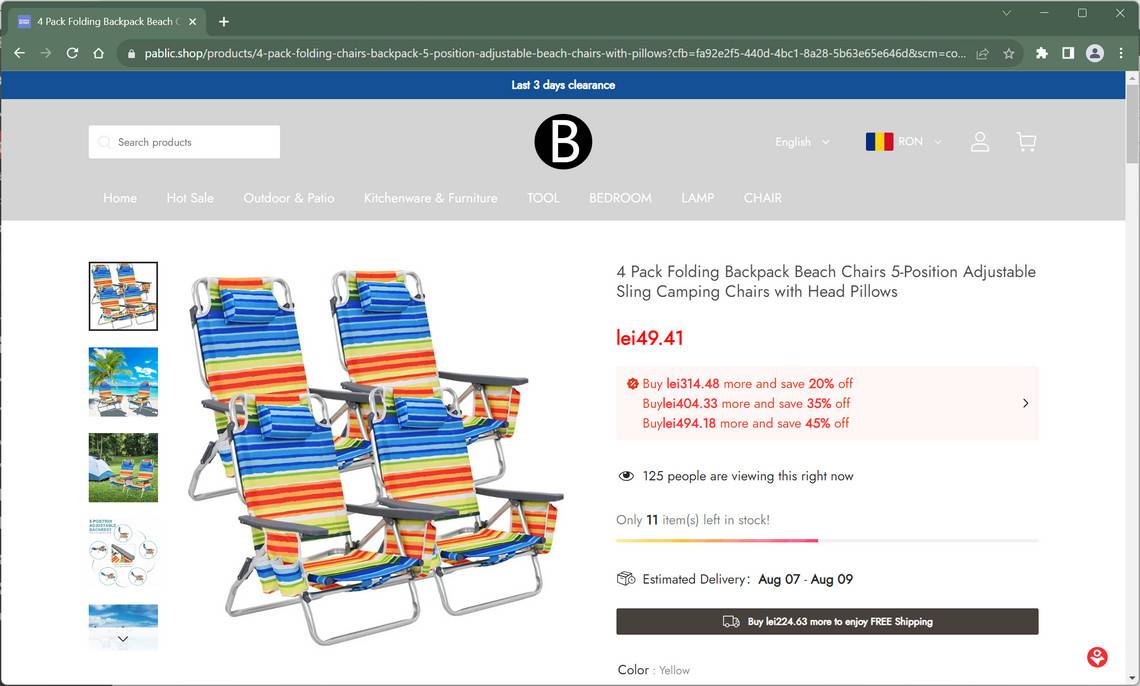
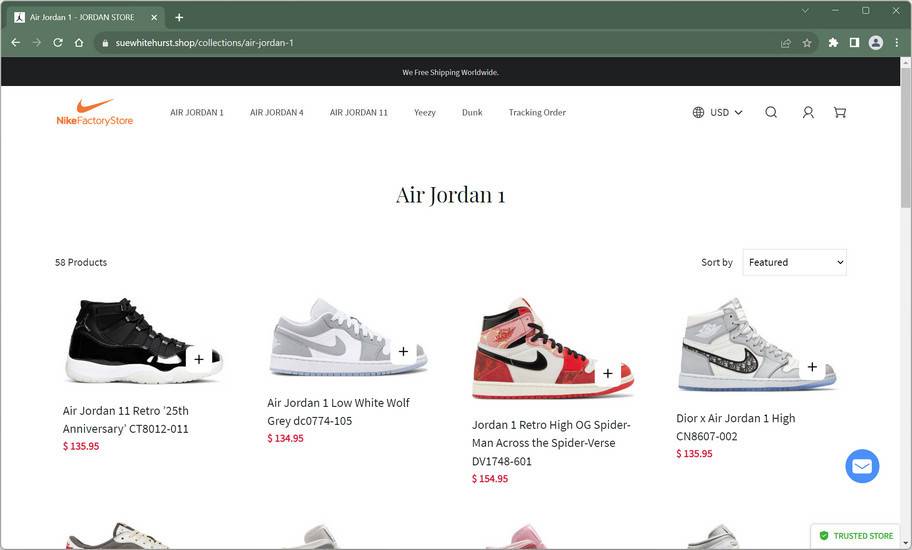
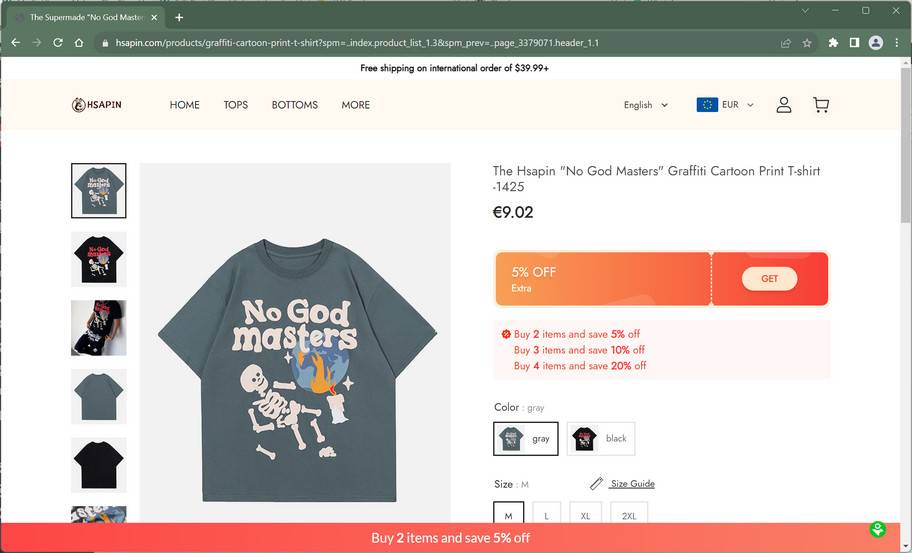
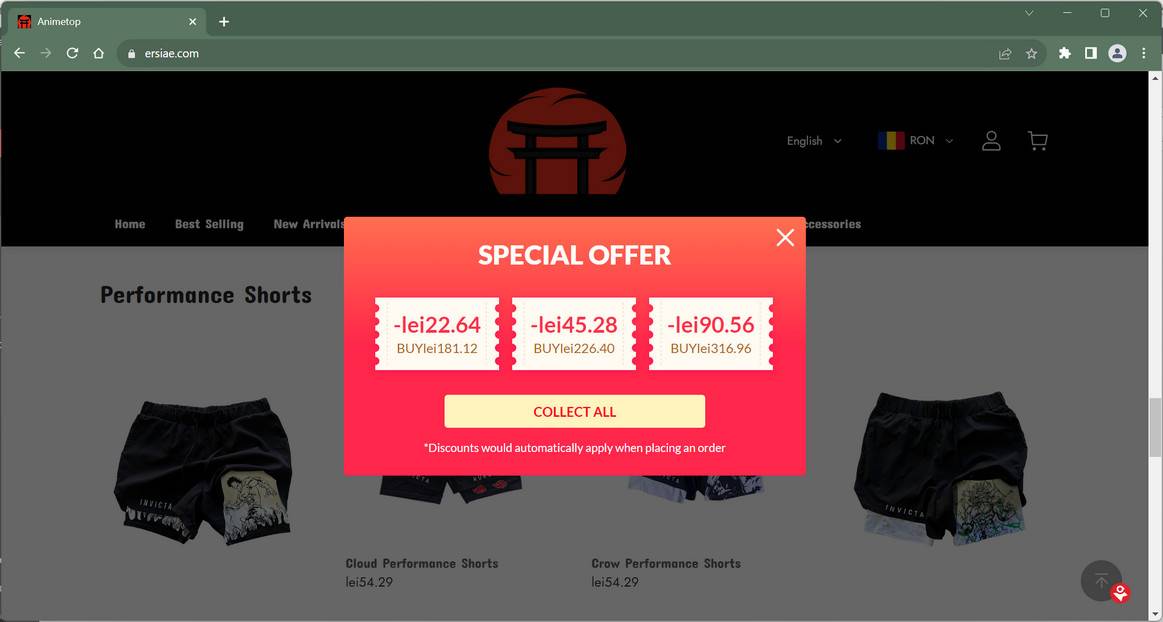
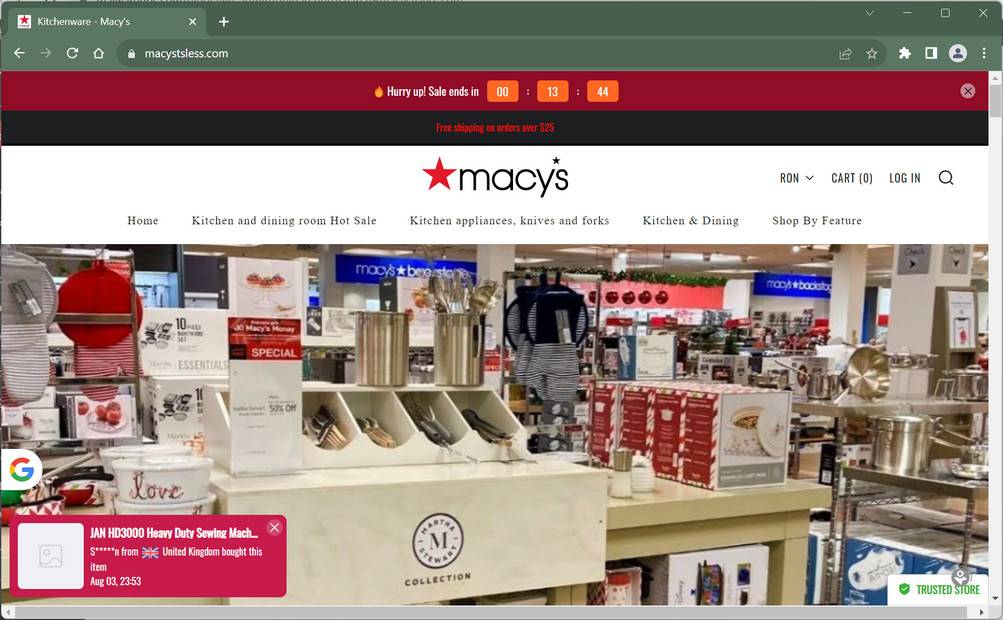
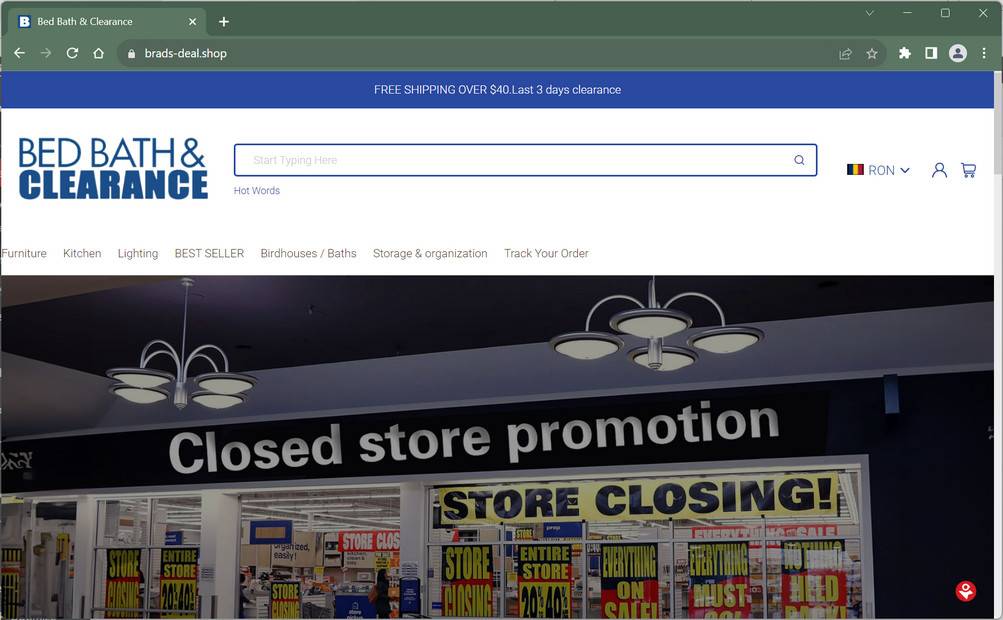
Overview of the Stroud International Co. Limited Scam Shopping Websites
Stroud International Co. Limited is a shell company that operates as part of a larger scam network called the Uniqueness Scam Network. This network runs various shopping websites that appear legitimate but are actually fraudulent. The scam websites do not deliver products ordered or send poor quality items. They also make it extremely difficult for customers to get refunds.
The Stroud International Co. Limited fake shopping sites focus on selling clothing, jewelry, electronics, and other consumer goods. They are heavily advertised on Facebook and Instagram through multiple Facebook pages and ads. This makes them appear more credible. However, behind the scenes, the pages are run by scammers using fake profiles and VPNs to hide their true location and identities.
When customers place orders, they either receive nothing, counterfeit products, or items completely different from what was pictured and described on the website. Customer service representatives are unhelpful or nonresponsive when contacted about issues. The websites also have no proper procedures in place for returns and refunds.
Thousands of customers have reported being defrauded by Stroud International Co. Limited operated websites. Yet the sites continue running their scam with new domains and Facebook pages once exposed.
How the Stroud International Co. Limited Shopping Scam Works
The Stroud International Co. Limited scam shopping websites use an array of deceptive and manipulative tactics to successfully dupe bargain hunters into buying nonexistent or fraudulent products online.
Phishing Campaigns Promote the Scam Sites
One key tactic is aggressive phishing campaigns. The scammers send mass emails loaded with links redirecting to the Stroud International Co. Limited scam sites if clicked. The phishing emails pretend to be from well-known brands, shippers, or services to trick people into trusting the links.
Social Media Fraud Lures Victims
In addition, fraudulent social media ads promote the fake shopping websites. The scammers create Facebook, Instagram and TikTok profiles impersonating real retailers. Convincing photos and language portray the scam sites as legitimate stores with huge discounts. This fools social media users into thinking they’ve found great bargains.
Fake News and Reviews Manipulate Search Results
The group also publishes fabricated news articles and reviews praising Stroud International Co. Limited sites. This aims to boost the scam sites’ rankings and credibility in search engine results. The false writeups describe the fake stores as reliable sellers with big discounts, further deceiving victims.
Bait and Switch Scams Cheat Shoppers
After receiving orders and payments, Stroud International Co. Limited sites scam customers through bait and switch tricks. Instead of the advertised items, shoppers either get nothing, cheap knockoffs, used or defective products, or compromised items.
No Accountability for Angry Customers
When defrauded customers try contacting Stroud International Co. Limited sites for refunds or to report fraud, they find zero accountability. Emails, contact forms, and calls go unanswered as the scammers block accounts and communications.
Deceptive Tactics Allow the Scam to Continue
Through phishing, social media fraud, fake reviews, bait and switch scams, and evading accountability, the Stroud International Co. Limited fake shopping websites are able to successfully pull off their e-commerce scams, continuously defrauding bargain hunters online. Their deceptive practices enable ongoing theft from shoppers lured by promises of great deals.
How to Spot Stroud International Co. Limited Scam Websites
While the sites look convincing, there are ways to detect their fraudulent nature:
- Research the company name: Search for the company name plus words like “scam”, “fake” or “review”. You may find warnings about the website from other victims.
- Look for contact inconsistencies: Note any discrepancies between locations listed in the contact details and on the About Us page.
- Check for fake reviews: Reviews may be unnaturally positive, lack specific details, or come from accounts with no other activity. Be suspicious.
- Assess how long it’s been around: Avoid sites created very recently that lack an online history. Scam sites often get quickly abandoned.
- Evaluate the prices: Very low prices can indicate scam websites that will under-deliver on product quality.
- See if contact forms work: Test email addresses and phone numbers given on the site before buying to see if you get a response.
- Search for duplicate images: Reverse image search product photos, which may have been copied from other websites.
- Check domain registration info: Use online tools like Whois to view what limited domain ownership data is public.
- Beware perfect grammar: Scam sites trying to appear American or European often have awkward phrasing a native speaker wouldn’t use.
The more things that look suspicious, the less likely the site is legit. Trust your instincts if something seems off.
Top Tips for Avoiding Stroud International Co. Limited Scam Websites
You can protect yourself from these shopping scams by taking the following precautions:
- Avoid shopping through Facebook ads: The scam websites are heavily promoted via Facebook. Be extra cautious about sites advertised this way.
- Research unfamiliar sites: Quickly look up any website you haven’t heard of before providing payment information.
- Check contact information: Call, email, or live chat with the company first if possible to verify they respond promptly.
- Read reviews carefully: Don’t rely solely on reviews posted on the site itself, which could be fake. Check external review sites.
- Pay with a credit card: You can dispute the charges more easily if the site is fraudulent. Avoid direct bank transfers.
- Beware limited payment options: Scam sites often only take PayPal or cryptocurrency to make tracking them harder.
- Check shipping details: Orders from China or Hong Kong indicate an overseas scam site falsely claiming to be local.
- Avoid clicking Facebook ads: Be wary of ad-driven impulse buying, as scammers take advantage of this.
- Use common sense: If a site looks poorly made or has prices that are unrealistic, it’s likely a scam.
The safest approach is to stick to reputable retailers with an established presence online and physical stores. Safely vet any lesser known sites before buying.
What to Do If You Are Scammed by a Stroud International Co. Limited Website
If you made a purchase or entered personal information this website, acting quickly can help you minimize financial loss, secure your accounts, and prevent further misuse of your data. Follow these steps carefully:
- Contact your bank or payment provider immediately
If you paid with a credit or debit card, call your bank’s customer service line and explain that you placed an order on a website that may be fraudulent. Request to dispute the transaction or initiate a chargeback.
If you used PayPal or another payment processor, file a dispute through their resolution center and provide order confirmations, emails, or screenshots as supporting evidence.
Fast action gives you the best chance of recovering your money and preventing additional unauthorized charges. - Freeze or replace your payment method
If your card or account details were entered on this website, it’s safest to have your bank or provider issue a replacement card. This prevents future unauthorized transactions and protects your financial accounts.
Some banks may also offer temporary holds or fraud alerts, ensuring no additional transactions can be made without your consent. - Run a personal data removal scan
Fraudulent websites often collect personal information such as names, phone numbers, addresses, and emails. This data may be shared with third parties or added to marketing and phishing lists.
A trusted service such as Malwarebytes Personal Data Remover can identify where your information is listed across data broker networks and help you request its removal. - Check your digital footprint
Even if you didn’t lose money, your personal data could already be circulating online. Running a digital footprint scan can help reveal whether your email address, phone number, or other personal information is present in leaks or broker databases.
This allows you to take proactive measures such as changing credentials, monitoring accounts, or setting up alerts before your data is misused. - Change your passwords and enable 2FA
If the same email or password used during checkout is also used on other websites or services, update those credentials immediately.
Choose strong, unique passwords and enable two-factor authentication (2FA) on all important accounts, especially your primary email, banking apps, and social media. This extra security layer makes unauthorized access significantly harder. - Scan your device for potential threats
Many fraudulent sites contain hidden tracking scripts, phishing pop-ups, or files designed to compromise your security.
Run a full system scan using a trusted security solution such as Malwarebytes Free or ESET Online Scanner to make sure your device hasn’t been exposed to malware or spyware during the visit.
If any suspicious files are found, remove them and restart your device. - Check your accounts and statements regularly
Monitor your bank and credit card statements closely for any unauthorized activity. Look for unfamiliar charges, subscription renewals, or repeated small test transactions.
Also review your email inbox and online accounts for password reset notices or sign-in alerts you didn’t initiate. Report anything unusual to your bank or account provider immediately. - Report the incident to the appropriate authorities
Reporting helps law enforcement track fraudulent websites and can support your claim if needed.- In the U.S., file a report with FTC ReportFraud.ftc.gov.
- In the EU, contact Europol or your national cybercrime unit.
- Globally, you can also submit the site to ScamAdviser to help warn other consumers.
Providing the website URL, order details, and communications increases the impact of your report.
- Save all evidence and communication
Keep copies of order confirmations, emails, payment records, chat logs, and screenshots of the website. This documentation can be crucial for supporting your chargeback request, reporting the case, or pursuing legal remedies if needed.
Store everything in one secure folder so you can easily provide it to your bank or relevant agencies. - Be cautious of follow-up contact
After incidents like this, affected individuals may receive fake refund messages, phishing emails, or phone calls pretending to offer “assistance.”
Do not click on unsolicited links, download attachments, or provide additional personal information. If you receive any message related to this website, verify its authenticity directly through your bank or official payment provider channels.
The Bottom Line
Stroud International Co. Limited operates a sophisticated scam network of fake shopping websites that defraud customers through misleading Facebook ads and convincing facades. Always research unfamiliar sites thoroughly before providing payment information. Be wary of too-good-to-be-true prices, lack of verifiable contact details, and limited payment options. If scammed, act quickly to have your bank reverse the charges and report the fraud to authorities. Stay vigilant about online scams to shop safely.
Frequently Asked Questions
Who is behind the Stroud International Co. Limited scam websites?
The individuals behind Stroud International Co. Limited are unknown. The company itself is a shell corporation set up to enable the larger Uniqueness Scam Network to operate its various fraudulent shopping websites while hiding the true owners’ identities. However, evidence indicates the network is run out of China or Hong Kong.
How do I get a refund if I was scammed?
Immediately contact your bank or payment method provider used, like PayPal or your credit card issuer. Report the transaction as fraudulent since you did not receive the product that was described and pictured on the website. Persistently follow up to get the charges reversed.
Are all shopping websites advertised on Facebook scams?
No, there are legitimate online stores promoted through Facebook ads. However, scam websites frequently rely on Facebook ads, so extra caution is warranted for any unfamiliar sites advertised this way. Do your homework before assuming they are safe.
Can I tell if reviews of a website are fake or real?
Fake reviews often praise products without details, seem overly positive, come from accounts with minimal other activity, have broken English, repeat same phrasing, or were all posted recently. Genuine reviews mention specifics, have varied ratings, and come from established users.
What should I do if a website won’t provide a refund?
If contacting the website directly gets you nowhere, file a dispute with your bank or payment provider. Report the site to the FTC and BBB to get the word out. Leave reviews warning others about the fraudulent site as well.
Am I able to get my money back if I used a credit card?
Yes, credit card purchases have added protection. Contact your issuer to dispute the charges and have them reversed since you did not receive the product as described at the time of purchase. This process is easier than trying to recover wired payments.
How can I identify if a website is a scam before ordering?
Ways to spot scam sites include inconsistencies in contact details, prices that seem unrealistic, stock photos used instead of real images, recently registered domains, excessive positive reviews, broken English, and missing contact information.
Should I avoid shopping on Facebook altogether?
No, there are legitimate sellers advertising on Facebook. However, you should always research unfamiliar companies thoroughly first before making purchases, especially if coming from an ad. Check site reputation, reviews, contact info, etc. to vet them.
What recourse is available if I report the website and still can’t get a refund?
If your payment provider also refuses to reverse the charges, your options become more limited but include reporting the fraud to the FTC, FBI, and BBB to try getting the site shut down, or consulting an attorney about further legal action in recovering losses.








