

‘Suspicious Activity’ PayPal Phishing Scam Email
Online scams have become increasingly prevalent in recent years, with scammers constantly devising new tactics to deceive unsuspecting individuals. One such scam that has gained significant attention is the ‘Suspicious Activity’ PayPal phishing scam email. This article aims to provide a comprehensive overview of this scam, including what it is, how it works, what to do if you have fallen victim, and other relevant information.
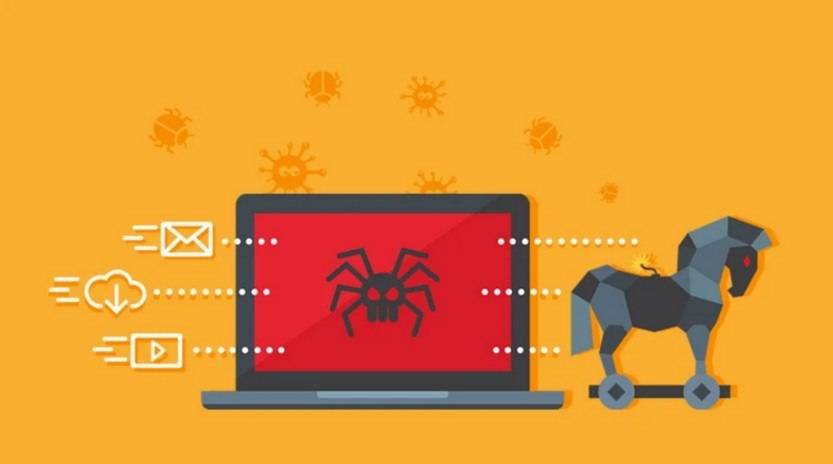
What is the ‘Suspicious Activity’ PayPal Phishing Scam Email?
The ‘Suspicious Activity’ PayPal phishing scam email is an attempt by cybercriminals to trick PayPal users into revealing their personal and financial information. The scam typically involves sending an email that appears to be from PayPal, warning the recipient of suspicious activity on their account. The email often includes a sense of urgency, urging the user to take immediate action to secure their account.
How Does the Scam Work?
The scam begins with the victim receiving an email that appears to be from PayPal. The email may use official PayPal logos and branding to make it look legitimate. It often includes a subject line that grabs the recipient’s attention, such as “Suspicious Activity Detected” or “Your Account is at Risk.”
Upon opening the email, the victim is presented with a message that claims their PayPal account has been compromised or that unauthorized transactions have been made. The email instructs the recipient to click on a link or download an attachment to resolve the issue.
However, these links and attachments are malicious and designed to trick the victim into providing their personal and financial information. They may lead to fake websites that closely resemble the official PayPal website, where the victim is prompted to enter their login credentials, credit card details, or other sensitive information.
Example:
Subject: Suspicious Activity Detected on Your PayPal Account
Dear PayPal User,
We have detected suspicious activity on your PayPal account. Unauthorized transactions have been made from your account. To secure your account, please click on the link below and follow the instructions:
Click here to secure your account
If you believe this is an error, please disregard this message. However, failure to take action may result in the permanent suspension of your PayPal account.
Thank you for your cooperation.
Sincerely,
The PayPal Team
What to Do If You Have Fallen Victim?
If you have fallen victim to the ‘Suspicious Activity’ PayPal phishing scam email, it is crucial to take immediate action to protect your account and personal information. Here are the steps you should follow:
- Change your PayPal password: Access your PayPal account directly through the official PayPal website and change your password. Ensure that the new password is strong and unique.
- Contact PayPal: Report the scam to PayPal by forwarding the phishing email to their official scam reporting email address (spoof@paypal.com). Additionally, contact PayPal’s customer support to inform them about the incident.
- Scan your device for malware: Run a scan with Malwarebytes Free or any reputable antivirus software to check for any malware or keyloggers that may have been installed on your device.
- Monitor your financial accounts: Keep a close eye on your bank and credit card statements for any unauthorized transactions. If you notice any suspicious activity, contact your financial institution immediately.
- Enable two-factor authentication: Add an extra layer of security to your PayPal account by enabling two-factor authentication. This will require you to provide a unique verification code in addition to your password when logging in.
How to Identify a Phishing Email?
Being able to identify a phishing email is crucial in protecting yourself from scams. Here are some common signs that can help you identify a phishing email:
- Generic greetings: Phishing emails often use generic greetings like “Dear Customer” instead of addressing you by your name.
- Urgency and threats: Phishing emails create a sense of urgency and may threaten consequences if you fail to take immediate action.
- Misspellings and grammatical errors: Phishing emails often contain spelling mistakes, grammatical errors, or awkward phrasing.
- Unusual sender email address: Check the sender’s email address carefully. Phishing emails may use email addresses that resemble the official company’s address but have slight variations.
- Hover over links: Before clicking on any links in an email, hover your mouse over them to see the actual URL. If it looks suspicious or different from what is displayed, do not click on it.
Summary
The ‘Suspicious Activity’ PayPal phishing scam email is a deceptive tactic used by cybercriminals to trick PayPal users into revealing their personal and financial information. It involves sending fraudulent emails that appear to be from PayPal, urging recipients to take immediate action to secure their accounts. If you have fallen victim to this scam, it is crucial to change your password, contact PayPal, scan your device for malware, monitor your financial accounts, and enable two-factor authentication. By being vigilant and knowing how to identify phishing emails, you can protect yourself from falling victim to such scams.

Join the discussion
0 commentsShare your experience or ask a question about this article.
Discussion
Start the conversation
Have a question or something useful to share? Add the first comment.