

Scammers are constantly finding new ways to deceive unsuspecting individuals and steal their personal information. One such method is through phishing scam emails, and a recent example that has been circulating is the ‘Tangerine Limited Usage’ phishing scam email. In this article, we will explore what this scam is, how it works, what to do if you have fallen victim, technical details, and statistics to support our points.
What is the ‘Tangerine Limited Usage’ Phishing Scam Email?
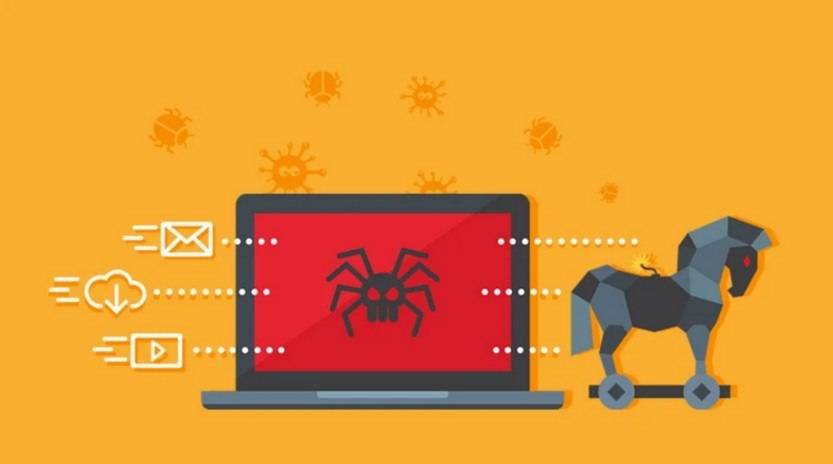
The ‘Tangerine Limited Usage’ phishing scam email is an attempt by scammers to trick recipients into revealing their personal and financial information. The email typically appears to be from Tangerine, a popular Canadian online bank, and claims that the recipient’s account has been limited due to suspicious activity. The email urges the recipient to click on a link or download an attachment to resolve the issue.
How Does the Scam Work?
Once the recipient clicks on the link or downloads the attachment, they are directed to a fake website that closely resembles the legitimate Tangerine website. The website prompts the recipient to enter their login credentials, account information, and other sensitive details. Unbeknownst to the victim, this information is then captured by the scammers.
The scammers can then use the stolen information to gain unauthorized access to the victim’s bank account, make fraudulent transactions, or even sell the information on the dark web. This can lead to significant financial loss and potential identity theft for the victim.
What to Do If You Have Fallen Victim?
If you have fallen victim to the ‘Tangerine Limited Usage’ phishing scam email or any other phishing scam, it is crucial to take immediate action to minimize the damage. Here are the steps you should follow:
- Change your passwords: Start by changing the passwords for all your online accounts, especially your banking and email accounts. Use strong, unique passwords that are not easily guessable.
- Contact your bank: Inform your bank about the scam and provide them with all the relevant details. They can help monitor your account for any suspicious activity and take appropriate measures to protect your funds.
- Report the scam: Report the phishing scam to the appropriate authorities, such as the Canadian Anti-Fraud Centre or your local law enforcement agency. This can help in tracking down the scammers and preventing others from falling victim.
- Scan your device for malware: Run a scan with Malwarebytes Free or any reputable antivirus software to check for any malware or keyloggers that may have been installed on your device.
- Monitor your accounts: Keep a close eye on your bank and credit card statements for any unauthorized transactions. If you notice anything suspicious, report it to your bank immediately.
Technical Details of the Scam
The ‘Tangerine Limited Usage’ phishing scam email utilizes various techniques to appear legitimate and deceive recipients. Here are some technical details of the scam:
- Email spoofing: The scammers spoof the email address to make it appear as if it is coming from Tangerine. They may use a domain name that closely resembles the legitimate Tangerine domain.
- Phishing website: The fake website used in the scam is designed to closely mimic the legitimate Tangerine website. The scammers often use SSL certificates to make the website appear secure.
- Social engineering: The scammers use psychological manipulation to create a sense of urgency and panic in the recipient, leading them to act without thinking.
Statistics on Phishing Scams
Phishing scams, including the ‘Tangerine Limited Usage’ phishing scam email, continue to be a significant threat. Here are some statistics that highlight the prevalence and impact of phishing scams:
- According to the Anti-Phishing Working Group, there were over 241,324 unique phishing attacks reported in the first quarter of 2023.
- In 2022, the average cost of a successful phishing attack for a medium-sized company was $1.8 million, according to the Ponemon Institute.
- A study by Verizon found that 30% of phishing emails are opened by their recipients, and 12% of those targeted click on the malicious attachment or link.
Summary
The ‘Tangerine Limited Usage’ phishing scam email is a deceptive attempt by scammers to steal personal and financial information from unsuspecting individuals. By understanding how this scam works and taking appropriate precautions, such as changing passwords, reporting the scam, and monitoring accounts, individuals can protect themselves from falling victim to such scams. It is crucial to stay vigilant and be cautious when dealing with emails or messages that request sensitive information. Remember, if something seems suspicious, it is always better to err on the side of caution.

Join the discussion
0 commentsShare your experience or ask a question about this article.
Discussion
Start the conversation
Have a question or something useful to share? Add the first comment.