

Recently, rumors have been circulating about a new gas-powered muscle car from Tesla called the “Thunderstorm V8.” This has sparked excitement among auto enthusiasts who want to see Tesla’s take on a powerful V8 engine. However, the Tesla Thunderstorm V8 is not real – it originated as a joke and there are no credible indications that Tesla is developing such a vehicle.
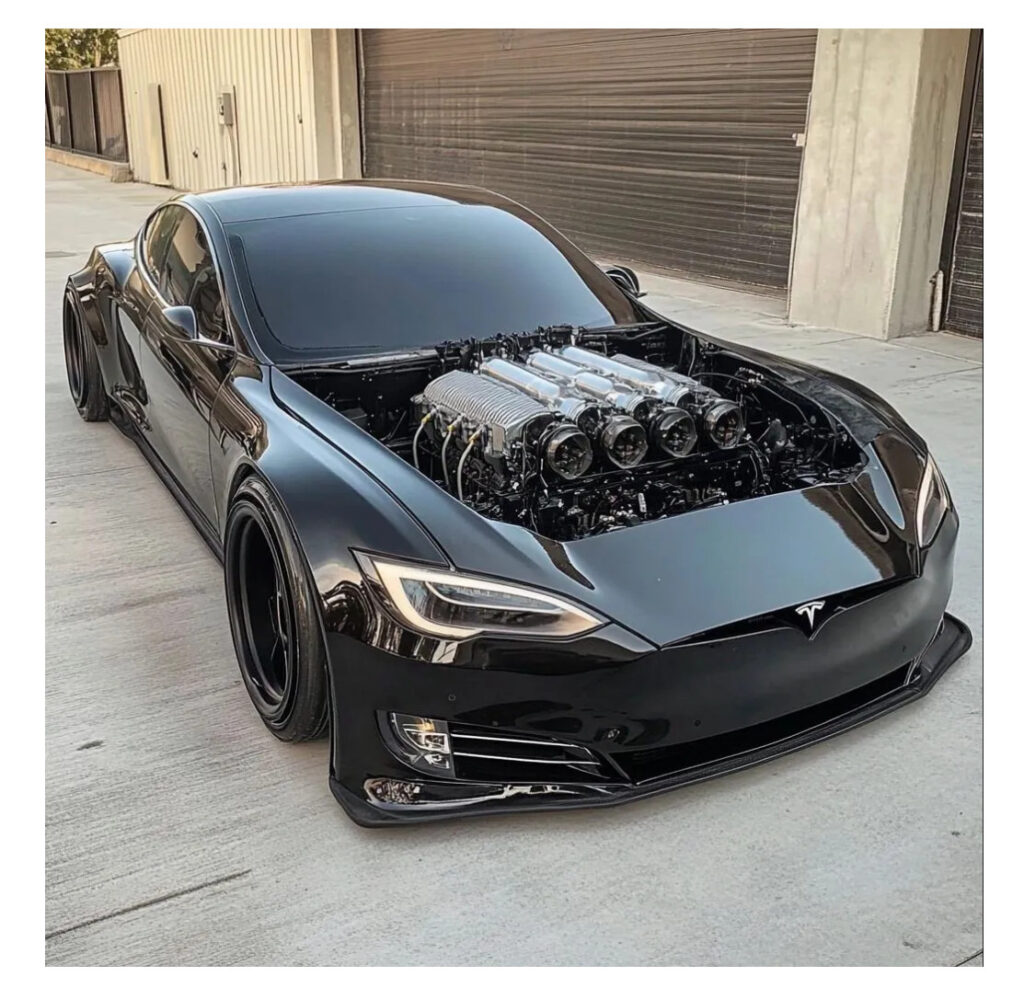
Background on the Rumor
The Tesla Thunderstorm V8 rumor started when comedian Joe Ditzel posted a satirical article announcing the car’s release. As an expert in viral content creation, Ditzel likely published this fake press release knowing it would generate buzz and confusion. The article contained exaggerated claims about the Thunderstorm’s engine power and fuel efficiency to signal the absurdity of an electric car company releasing a gas guzzler.
Why the Thunderstorm V8 is Fake
While the idea of a Tesla V8 seems exciting, there are several clear reasons why the Thunderstorm is an imaginary car, not an actual upcoming release:
Tesla’s Focus is Electric Vehicles
Tesla’s entire brand is built around sustainable electric transportation. Launching a high-powered gas vehicle would go against their core mission. The company is unlikely to devote resources to developing internal combustion engine technology when their expertise is in electric powertrains.
No Supporting Evidence
Beyond Ditzel’s satirical article, there have been no patents, prototypes, or official announcements indicating Tesla is working on a muscle car. If the Thunderstorm V8 were real, there would be engineering job listings or regulatory filings pointing to its development.
Tesla Has No Need for a V8
Tesla’s current electric motors already produce incredible torque and acceleration. For example, the Model S Plaid can go 0 to 60 mph in under 2 seconds – on par with top-tier supercars. The Thunderstorm concept likely plays on the classic V8 mystique, but Tesla’s electric motors can meet that power demand without gasoline.
Frequently Asked Questions on the Tesla Thunderstorm V8 Scam
1. What is the Tesla Thunderstorm V8?
The Tesla Thunderstorm V8 is a fictional gas-powered muscle car that was part of an online joke claiming Tesla was developing a high-powered V8 engine. The car does not actually exist – it was made up for a satirical article and Tesla has no plans to produce an internal combustion engine vehicle.
2. How did the Tesla Thunderstorm V8 rumor start?
The rumor began when comedian Joe Ditzel published a fake press release announcing the Thunderstorm V8 as Tesla’s new muscle car. The exaggerated claims and absurd details were meant to signal the story was satirical in nature. However, some people interpreted it as a real Tesla product announcement.
3. What claims were made about the capabilities of the Thunderstorm V8?
The fake press release claimed the Thunderstorm V8 would have 650 horsepower, a “caffeine-addicted grizzly bear” growling engine, 0-60 mph acceleration under 2 seconds, and absolutely no fuel efficiency. These outlandish details were included to highlight the absurdity of Tesla releasing a gas-guzzling muscle car.
4. Why is it clear the Tesla Thunderstorm V8 is not a real car?
There is no evidence Tesla is developing any internal combustion engine vehicles. As an electric car company, a gas-powered muscle car goes against their brand mission. Additionally, Tesla’s expertise is in electric powertrains, so a V8 engine is outside their engineering capabilities. The story originated as a joke, underscoring the Thunderstorm V8 only exists as fiction.
5. Did Tesla or Elon Musk ever confirm plans for the Thunderstorm V8?
No. Neither Tesla’s official communication channels nor Elon Musk have ever referenced plans to develop or release a vehicle called the Thunderstorm V8. The company remains focused solely on innovating sustainable electric transportation options.
6. Where can I find accurate information on real future Tesla models?
Tesla’s official website and Elon Musk’s verified social media accounts are the only reliable sources for upcoming Tesla vehicles. Given the fake Thunderstorm story, it’s important to fact-check any unofficial reports against official Tesla communication before assuming new model claims are real.
The Bottom Line
While an exciting idea for auto enthusiasts, the Tesla Thunderstorm V8 only exists as a fictional concept. Tesla remains committed to innovating all-electric vehicles, not branching out into gas-powered muscle cars. The rumor of the Thunderstorm’s release originated as a joke, underscoring that Elon Musk and Tesla have no intentions to develop an internal combustion engine vehicle.

Join the discussion
0 commentsShare your experience or ask a question about this article.
Discussion
Start the conversation
Have a question or something useful to share? Add the first comment.