

When it comes to managing the power settings on your ThinkPad laptop, the ThinkPad Power Management Driver plays a crucial role. This driver is designed to optimize power consumption and enhance battery life on ThinkPad devices. However, some users may wonder whether it is necessary to keep this driver installed or if it can be safely removed. In this article, we will explore what the ThinkPad Power Management Driver is, its functions, and whether it is advisable to remove it.
Understanding the ThinkPad Power Management Driver
The ThinkPad Power Management Driver is a software component developed by Lenovo specifically for ThinkPad laptops. Its primary purpose is to manage power settings and optimize power consumption on these devices. By controlling various hardware components and system settings, the driver aims to extend battery life and improve overall power efficiency.
Some of the key functions performed by the ThinkPad Power Management Driver include:
- Power management for the CPU, GPU, and other hardware components
- Control over screen brightness and display settings
- Management of sleep and hibernation modes
- Optimization of power usage during idle periods
- Configuration of power profiles and settings
By intelligently adjusting power settings based on usage patterns and system requirements, the ThinkPad Power Management Driver aims to strike a balance between performance and battery life.
Should I Remove the ThinkPad Power Management Driver?
Now that we understand the role of the ThinkPad Power Management Driver, let’s address the question of whether it is necessary to keep it installed or if it can be safely removed.
The decision to remove the ThinkPad Power Management Driver depends on your specific needs and preferences. Here are a few factors to consider:
1. Battery Life
If you prioritize battery life and want to maximize the runtime of your ThinkPad laptop, it is generally recommended to keep the ThinkPad Power Management Driver installed. This driver is designed to optimize power consumption and extend battery life by managing various power settings. Removing it may result in reduced battery performance.
2. Power Management Features
The ThinkPad Power Management Driver provides a range of power management features that can be useful for controlling power usage and customizing power profiles. If you frequently adjust power settings or rely on specific power management features, it is advisable to keep the driver installed.
3. System Stability
Removing the ThinkPad Power Management Driver may not have a significant impact on the overall stability of your system. However, it is worth noting that this driver is developed and tested by Lenovo specifically for ThinkPad laptops. By removing it, you may lose access to certain optimizations and compatibility enhancements that could affect system stability.
4. Compatibility with Other Software
Some software applications and utilities provided by Lenovo may rely on the ThinkPad Power Management Driver to function properly. If you use any Lenovo-specific software that depends on this driver, removing it may cause compatibility issues or limit the functionality of those applications.
How to Remove the ThinkPad Power Management Driver
If you have decided to remove the ThinkPad Power Management Driver from your system, it is important to follow the correct procedure to ensure a clean uninstallation. Here’s a step-by-step guide:
- Before proceeding with the removal, make sure you have an alternative power management solution in place, or you are willing to rely on the default Windows power management settings.
- Open the Control Panel on your ThinkPad laptop.
- Navigate to the “Programs” or “Programs and Features” section.
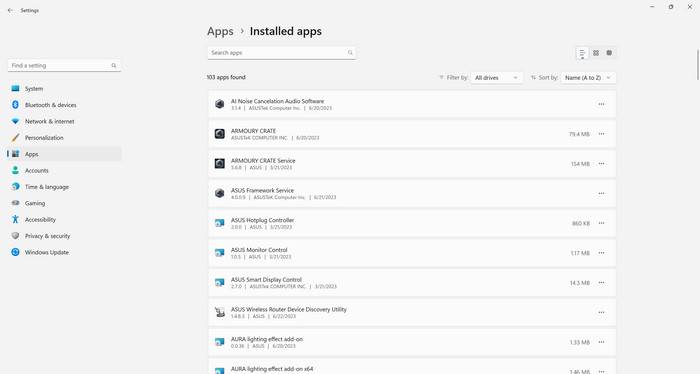
- Locate the ThinkPad Power Management Driver in the list of installed programs.
- Select the driver and click on the “Uninstall” or “Remove” button.
- Follow the on-screen instructions to complete the uninstallation process.
- Restart your computer to finalize the removal.
It is worth mentioning that manually uninstalling drivers can be a complex process, and there is a risk of leaving behind residual files or registry entries. To ensure a thorough removal, you may consider using a reliable uninstallation tool like Revo Uninstaller Free. This tool can help you uninstall the ThinkPad Power Management Driver and remove any associated files or registry entries.
Conclusion
The ThinkPad Power Management Driver is an essential component for managing power settings and optimizing power consumption on ThinkPad laptops. While it is generally recommended to keep this driver installed for optimal battery life and power management features, the decision to remove it ultimately depends on your specific needs and preferences.
Before removing the ThinkPad Power Management Driver, consider the impact on battery life, power management features, system stability, and compatibility with other software. If you decide to proceed with the removal, make sure to follow the correct uninstallation procedure or use a reliable uninstallation tool like Revo Uninstaller Free to ensure a clean removal.
Remember, it is always a good practice to create a system restore point or backup your important data before making any significant changes to your system configuration.

Join the discussion
0 commentsShare your experience or ask a question about this article.
Discussion
Start the conversation
Have a question or something useful to share? Add the first comment.