

Toshiba Book Place is a pre-installed application that comes bundled with Toshiba laptops and tablets. It is a digital reading platform that allows users to access and read e-books, magazines, and other digital publications. While it may seem like a useful feature, many users question whether they should remove it from their devices. In this article, we will explore what Toshiba Book Place is, its features, potential drawbacks, and whether it is necessary to remove it.
What is Toshiba Book Place?
Toshiba Book Place is a digital reading platform developed by Toshiba. It provides users with access to a wide range of e-books, magazines, and other digital publications. The application offers a user-friendly interface that allows users to browse, purchase, and read their favorite books and magazines.
With Toshiba Book Place, users can create personalized libraries, highlight text, add bookmarks, and even synchronize their reading progress across multiple devices. The platform also offers various customization options, such as font size adjustment, background color selection, and night mode for comfortable reading in low-light conditions.
Features of Toshiba Book Place
Toshiba Book Place offers several features that enhance the reading experience for users:
- Extensive Library: The platform provides access to a vast collection of e-books, magazines, and digital publications, catering to a wide range of interests and genres.
- Personalization Options: Users can customize their reading experience by adjusting font sizes, selecting background colors, and enabling night mode.
- Sync Across Devices: Toshiba Book Place allows users to synchronize their reading progress across multiple devices, ensuring a seamless reading experience.
- Highlighting and Bookmarking: Users can highlight important passages and add bookmarks for easy reference.
- Search Functionality: The platform offers a powerful search feature that allows users to find specific books or authors quickly.
Should I Remove Toshiba Book Place?
While Toshiba Book Place offers a range of features and benefits, there are a few factors to consider when deciding whether to remove it:
1. Personal Preference
Some users may prefer using alternative e-book reading platforms or may have specific preferences for their reading experience. If you have another preferred e-book reader or find Toshiba Book Place’s interface and features lacking, you may consider removing it.
2. Storage Space
Toshiba Book Place takes up storage space on your device. If you are running low on storage or have limited space available, removing the application can free up valuable storage for other purposes.
3. Performance Impact
While Toshiba Book Place is not known to significantly impact device performance, some users may experience minor slowdowns or delays when using the application. If you notice any performance issues, removing the application may help improve overall device performance.
4. Security Concerns
As with any pre-installed application, there may be potential security risks associated with Toshiba Book Place. While the application itself is not considered malware or a security threat, it is always recommended to regularly scan your device for potential malware or unwanted software. You can use Malwarebytes Free to scan your device for any potential threats.
How to Remove Toshiba Book Place
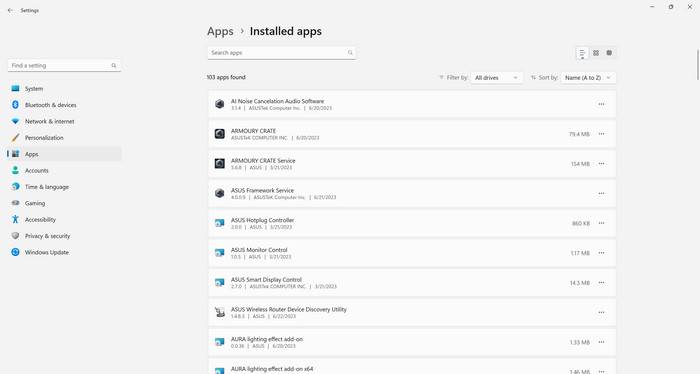
If you have decided to remove Toshiba Book Place from your device, here are the steps to uninstall it:
- Open the Control Panel on your Windows device.
- Select “Programs” or “Programs and Features.”
- Locate Toshiba Book Place in the list of installed programs.
- Click on Toshiba Book Place and select “Uninstall.”
- Follow the on-screen prompts to complete the uninstallation process.
After uninstalling Toshiba Book Place, it is recommended to restart your device to ensure all changes take effect.
Conclusion
Toshiba Book Place is a digital reading platform that offers a range of features and benefits for users. Whether you should remove it depends on personal preference, storage space availability, performance impact, and security concerns. If you have another preferred e-book reader, limited storage space, experience performance issues, or have security concerns, removing Toshiba Book Place may be a viable option. However, if you enjoy the features and convenience it provides, there is no immediate need to remove it. Ultimately, the decision to remove Toshiba Book Place rests with the individual user and their specific needs and preferences.

Join the discussion
0 commentsShare your experience or ask a question about this article.
Discussion
Start the conversation
Have a question or something useful to share? Add the first comment.