

TOSHIBA Bulletin Board is a pre-installed software application that comes bundled with certain TOSHIBA laptops and desktop computers. It is designed to provide users with a convenient way to organize and access their files, photos, and notes in a visually appealing manner. However, like any pre-installed software, it has its pros and cons, and users often wonder whether they should remove it or keep it on their devices.
What is TOSHIBA Bulletin Board?
TOSHIBA Bulletin Board is a software application developed by TOSHIBA Corporation specifically for their laptops and desktop computers. It is designed to provide users with a digital bulletin board where they can organize and access their files, photos, and notes in a visually appealing and intuitive manner.
The application allows users to create virtual corkboards where they can pin various types of content, such as documents, images, and web links. Users can customize the appearance of their corkboards by choosing different themes, backgrounds, and layouts. They can also add sticky notes and labels to further organize their content.
TOSHIBA Bulletin Board aims to enhance productivity and organization by providing users with a centralized location for their important files and information. It offers a visually engaging and intuitive interface that makes it easy to navigate and access content quickly.
Should I Remove TOSHIBA Bulletin Board?
Whether you should remove TOSHIBA Bulletin Board from your device depends on your personal preferences and needs. Here are some factors to consider:
1. Personal Preference
If you find TOSHIBA Bulletin Board useful and enjoy its features, there is no reason to remove it. The application can be a convenient tool for organizing and accessing your files and notes. However, if you rarely use it or prefer alternative methods of organization, you may consider removing it to free up system resources.
2. System Performance
Some users have reported that TOSHIBA Bulletin Board can consume system resources and slow down their devices. If you notice a significant decrease in performance or experience frequent lagging, removing the application may improve your device’s speed and responsiveness.
3. Security Concerns
While TOSHIBA Bulletin Board itself is not considered malware or a security threat, it is important to regularly assess the security of all software installed on your device. If you have concerns about the security of TOSHIBA Bulletin Board or any other pre-installed software, it is recommended to scan your device for malware using a reliable antivirus program like Malwarebytes Free.
4. Alternative Solutions
If you decide to remove TOSHIBA Bulletin Board, there are alternative solutions available that offer similar functionality. For example, you can use cloud storage services like Google Drive or Microsoft OneDrive to organize and access your files from any device. There are also numerous note-taking applications and productivity tools available that can help you stay organized.
How to Remove TOSHIBA Bulletin Board?
If you have decided to remove TOSHIBA Bulletin Board from your device, here are the steps to do so:
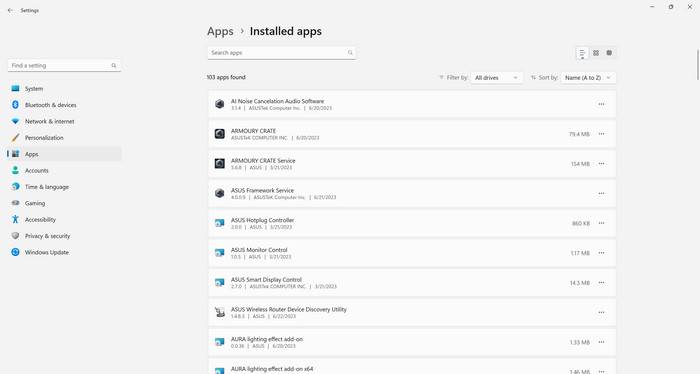
- Click on the “Start” button and open the “Control Panel.”
- Select “Programs” or “Programs and Features” depending on your version of Windows.
- Locate “TOSHIBA Bulletin Board” in the list of installed programs.
- Click on it and select “Uninstall” or “Remove.”
- Follow the on-screen instructions to complete the uninstallation process.
After removing TOSHIBA Bulletin Board, it is recommended to restart your device to ensure that all changes take effect.
Conclusion
TOSHIBA Bulletin Board is a software application that provides users with a visually appealing and intuitive way to organize and access their files, photos, and notes. Whether you should remove it or not depends on your personal preferences, system performance, security concerns, and the availability of alternative solutions.
If you find TOSHIBA Bulletin Board useful and enjoy its features, there is no need to remove it. However, if you rarely use it or experience performance issues, removing it may improve your device’s speed and responsiveness. It is also important to regularly assess the security of all software installed on your device and scan for malware using a reliable antivirus program like Malwarebytes Free.
Ultimately, the decision to remove TOSHIBA Bulletin Board should be based on your individual needs and preferences. Consider the factors mentioned in this article and make an informed choice that best suits your requirements.

Join the discussion
0 commentsShare your experience or ask a question about this article.
Discussion
Start the conversation
Have a question or something useful to share? Add the first comment.