

When it comes to technology, Toshiba has been a trusted name for decades. The company offers a wide range of products, from laptops and televisions to home appliances and storage devices. As a Toshiba product owner, you may have come across the term “Toshiba Online Product Information” and wondered what it is and whether you should remove it. In this article, we will delve into the details of Toshiba Online Product Information, its purpose, and whether it is necessary to keep it on your device.
Understanding Toshiba Online Product Information
Toshiba Online Product Information is a software component that comes pre-installed on many Toshiba devices. Its primary function is to provide users with access to the latest product information, updates, and support resources directly from Toshiba. This software is designed to enhance the user experience by keeping users informed about their Toshiba products and ensuring they have access to the most up-to-date information.
When you purchase a Toshiba device, you may find the Toshiba Online Product Information software already installed. It typically appears as an icon in the system tray or taskbar, allowing easy access to Toshiba’s online resources. By clicking on the icon, users can access product manuals, FAQs, driver updates, and other support materials specific to their Toshiba device.
Benefits of Toshiba Online Product Information
Toshiba Online Product Information offers several benefits to users:
- Access to the latest product information: By keeping the software installed, users can stay informed about new features, updates, and enhancements for their Toshiba devices.
- Easy access to support resources: The software provides a convenient way to access product manuals, troubleshooting guides, and other support materials without the need to search for them online.
- Timely driver updates: Toshiba Online Product Information can notify users when new driver updates are available, ensuring that their devices are running optimally.
- Enhanced user experience: By providing a centralized hub for product information and support, Toshiba Online Product Information aims to enhance the overall user experience and make it easier for users to get the most out of their Toshiba devices.
Should You Remove Toshiba Online Product Information?
While Toshiba Online Product Information offers valuable benefits, some users may still wonder whether it is necessary to keep it installed on their devices. Here are a few factors to consider:
1. Personal Preference
Some users may prefer to have a clutter-free system tray or taskbar and may choose to remove any unnecessary software, including Toshiba Online Product Information. If you find that you rarely use the software or prefer to access Toshiba’s support resources through other means, you may consider removing it.
2. System Performance
In rare cases, users have reported that Toshiba Online Product Information can consume system resources and impact overall performance. If you notice any performance issues on your device and suspect that the software may be the cause, you can try removing it to see if it improves the situation.
3. Security Concerns
While Toshiba Online Product Information is not inherently malicious, some users may have concerns about potential security vulnerabilities associated with pre-installed software. If you are particularly cautious about the software running on your device and prefer to minimize potential security risks, you may choose to remove it.
How to Remove Toshiba Online Product Information
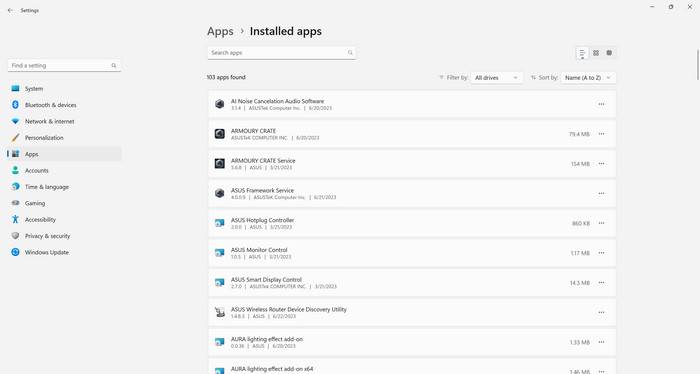
If you have decided to remove Toshiba Online Product Information from your device, here are the steps to follow:
- Open the Control Panel on your Windows device.
- Select “Programs” or “Programs and Features.”
- Locate “Toshiba Online Product Information” in the list of installed programs.
- Click on it and select “Uninstall” or “Remove.”
- Follow the on-screen prompts to complete the uninstallation process.
It is worth noting that removing Toshiba Online Product Information will not affect the functionality of your Toshiba device. You will still be able to use your device as usual, and you can always access Toshiba’s support resources through their website.
Conclusion
Toshiba Online Product Information is a software component that provides users with access to the latest product information, updates, and support resources directly from Toshiba. While it offers several benefits, including easy access to support materials and timely driver updates, the decision to remove it ultimately depends on personal preference, system performance, and security concerns. If you choose to remove it, the process is straightforward and will not impact the functionality of your Toshiba device. Ultimately, the choice is yours to make based on your individual needs and preferences.

Join the discussion
0 commentsShare your experience or ask a question about this article.
Discussion
Start the conversation
Have a question or something useful to share? Add the first comment.