


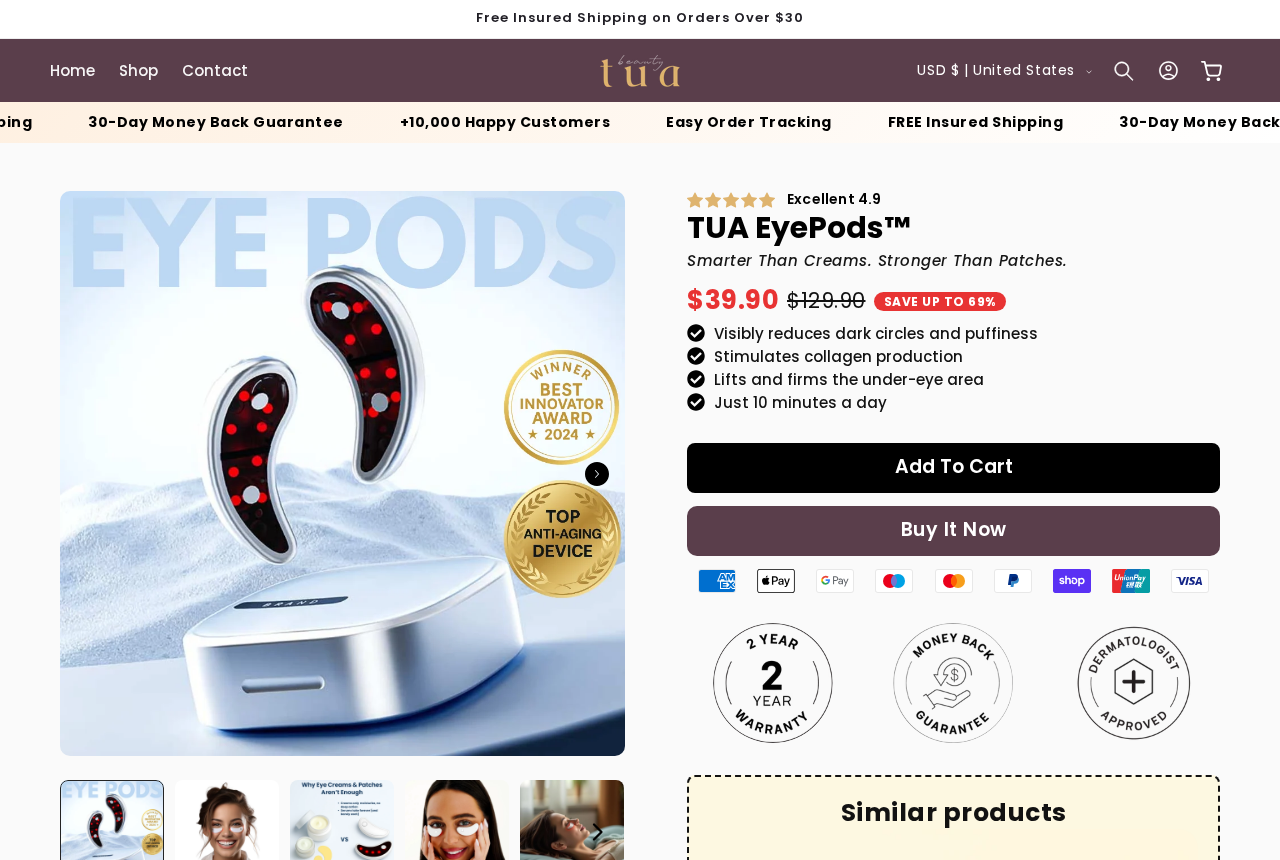
The TUA EyePods listing makes a tired-looking morning sound like something you can fix while you wait for coffee. You see two little silver pods and a charging case.
Put a skincare gadget next to a close-up of brighter eyes and it looks easy to judge. The harder part is working out what changed between those two pictures.
Overview
EyePods combine red light with electrical stimulation
The TUA EyePods offer shows two curved units that sit below the eyes. The product description lists a charging case, red LED light and electrical muscle stimulation.
Those features explain what the equipment is supposed to deliver. They don’t establish that everyone who sees a shadow, a bag or a dark patch has the same problem.
TUA advertises visible changes in dark circles and puffiness, firmer skin and increased collagen. That’s a set of different outcomes, not one result that a red light can demonstrate.
The before-and-after showed an uneven result
In a hands-on video, the reviewer placed silver pods with adhesive contacts under his eyes. That’s the same pictured design, but the clip doesn’t establish the exact TUA model.
In his two-week follow-up, he thought the area under his left eye looked less dark. The right side looked essentially unchanged to him, although he noticed a difference in puffiness.
He still said it was worth trying. That’s his verdict on the device, not a guarantee that another person will see either of the same changes.
The shop’s no-risk message needs a closer read
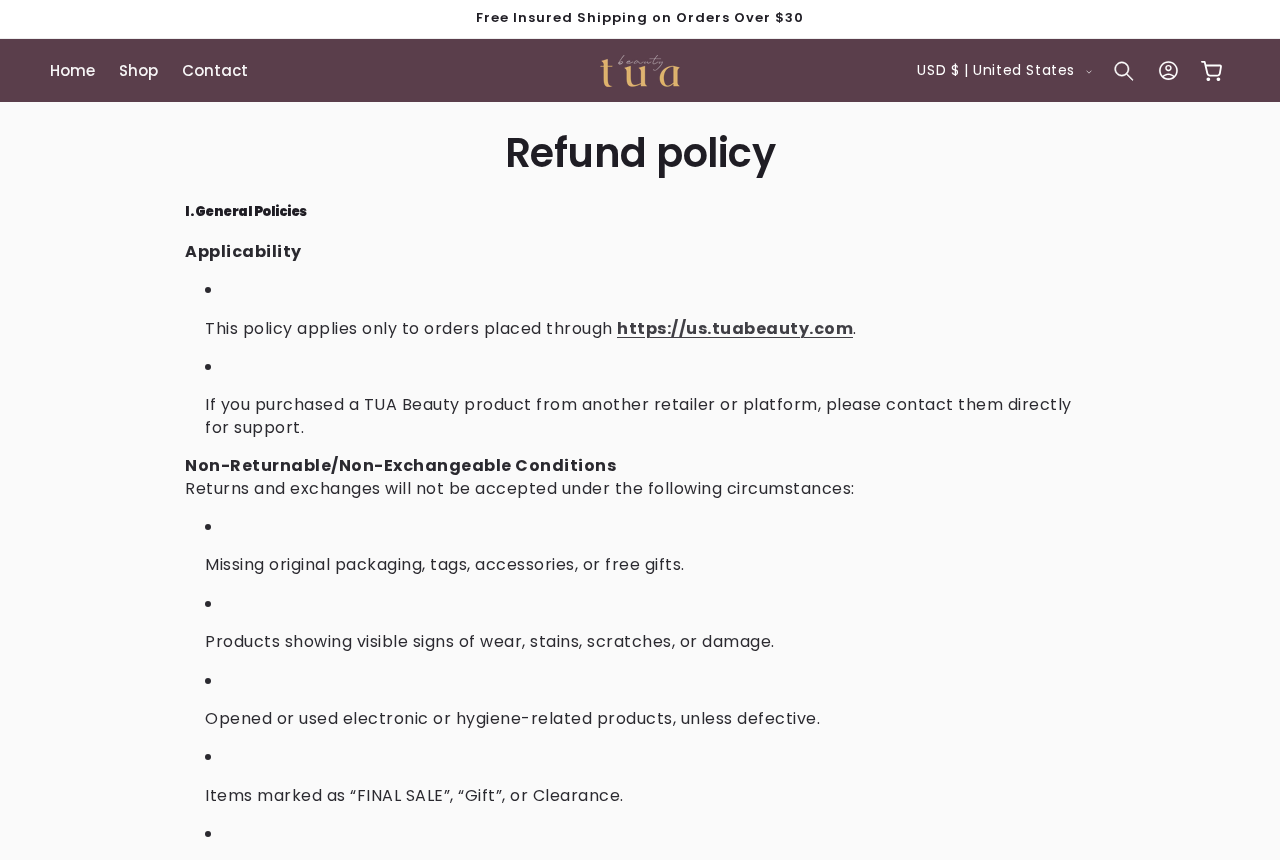
The captured U.S. product page displayed $39.90 and promoted a 30-day money-back guarantee. Its ordinary refund policy excludes opened or used electronic and hygiene-related products unless defective.
- For the effect: A brighter area in a photo doesn’t tell you whether skin pigment, swelling or a shadow has changed.
- For the features: Electrical stimulation and an illuminated LED don’t supply evidence of new collagen or lasting firmness on their own.
- For the return: The time limit isn’t enough. Ask whether you can open the package and try both units without giving up eligibility.
The return condition matters precisely because this is a product you’d normally have to try on your skin to decide whether it feels comfortable or meets your expectations.
What the TUA EyePods Offer Leads You to Expect
Step 1: The listing turns several different concerns into one purchase
You can see a dark area under your eye because of pigment, visible blood vessels, the shape of the skin, or a mix of factors.
A clinical classification study separated several of those patterns rather than treating every dark circle as the same condition. A shadow isn’t just another name for extra pigment.
That distinction can change what a sensible next step looks like. For instance, an under-eye hollow can look darker in overhead light without the skin itself changing color.
On the shop page, the same pair of devices is presented as a way to tackle puffiness, darkness and loss of firmness. The page makes those goals sound interchangeable.
For a reader deciding whether to pay, the question isn’t just whether you saw someone’s eyes look brighter. It’s whether they were trying to change the same thing you are.
There’s also a difference between the appearance you notice first thing in the morning and the appearance you notice every day. The listing puts both under the same quick routine.
The follow-up video’s immediate impression of less puffiness and its comparison after two weeks concern different outcomes. Improvement in one doesn’t explain why the other did or didn’t change.
Compare the words describing a result with the evidence offered beside them. The phrase “visibly firmer” is a cosmetic impression, while increased collagen is a distinct biological claim.
Step 2: Two technologies and several badges make the claim look settled
The sales image presents a dermatologist-approval badge beside a warranty and refund badge. The hero image also shows a 2024 innovation award emblem without identifying its awarding body there.
An award symbol doesn’t tell you who tested the pads or how. A meaningful reference would name the organization, the model it reviewed and where the supporting criteria are published.
A claim about electrical muscle stimulation is easier to separate from the slogans. The reviewer felt the area move during use, which fits the kind of stimulation being promoted.
Sensation tells you that the equipment is doing something detectable. It doesn’t establish that eye bags will shrink, skin will gain collagen, or a discoloration will fade after repeated sessions.
Likewise, a photo of red points on the inside of the pods tells you the LEDs light up. It isn’t a measurement of the dose reaching the skin.
Step 3: A small study supplies a narrower answer than the ad
A published study of electrical muscle stimulation followed 18 people with a device made by MTG in Japan. It used a defined electrical setup and a month-long protocol.
The researchers found that the mean appearance score improved. The relationship with other measurements was more encouraging in the mild group, while stronger results for severe cases did not follow.
Importantly, the study’s blood-flow measurement did not change significantly overall. It doesn’t support a simple explanation that the TUA pods brighten eyes by boosting circulation.
The researchers screened participants for certain eye and other health conditions. The results can’t establish safety or suitability for buyers who would not have qualified for that study.
The paper is worth reading because electrical stimulation is not inherently imaginary. But it did not examine a retail TUA EyePods set or test the TUA red-light and collagen promises.
A test of a technology is not an endorsement of every device that puts the same words on a package. The differences are central to this buying decision.
If the seller relies on a clinical comparison, ask for the model and the outcome the researchers measured. A general paper about LED treatment answers a different question.
Check when the appearance was measured, too. A result immediately after one session isn’t a finding about what a person looks like weeks after they stop.
Step 4: The guarantee sounds strongest before the box is opened
The TUA product page promises a 30-day guarantee for dissatisfied buyers. If you read only the offer, it sounds as though you can use the pods and then decide.
The separate U.S. refund policy describes opened or used electronic and hygiene-related items as ineligible unless defective. It also lists missing accessories, packaging or gifts as return problems.
The difference matters if the pods fit poorly, irritate your skin, or make little visible difference. Those experiences aren’t necessarily the same as an electronic fault covered by an exception.
Ask before buying whether the shop will accept opened EyePods for dissatisfaction alone. If the answer is unclear, count the price as money you might not get back.
TUA EyePods Seller and Support Checks
The U.S. offer and Romanian store share a brand and inbox
The U.S. page uses TUA Beauty and gives the brand email for returns. The Romanian site names TUA BEAUTY SRL and displays that same email address.
That connects the contact channels, but your order confirmation is still the record to consult for the company that took payment and the shop whose policy applies.
The U.S. return terms explicitly limit their scope to purchases made on the U.S. site. Don’t assume they automatically apply to a listing with similar pictures on a marketplace.
The address in the footer is not a return label
The U.S. page lists a Girod Street address in New Orleans. A city licensing record for that street address describes a unit there as part of a multi-family building.
That doesn’t tell you who works in every unit or where a particular order was shipped. It isn’t enough to identify an authorized warehouse for a returned package.
Rather than mailing the product to a footer address, ask support for a written return authorization and destination for your order. Keep the reply with your shipping proof.
A support email is more useful when the promise is specific
If the offer says you can get a refund for dissatisfaction, ask whether that includes a device used exactly as described. Save the response along with the order number.
If only one pod charges, document that issue separately. A photo of the case and a description of which side failed can help explain a defect without sharing personal photos.
The retailer also advertises a two-year warranty. Find out who handles defects before assuming a warranty means you can return working pods after trying them.
The advertised results don’t identify a tested finished device
The listing shows figures for buyers who noticed firmer skin or looked younger. The nearby sales copy doesn’t explain how the survey ran or how many people answered each question.
Results can depend on time of day, face angle and lighting. Those differences don’t mean somebody altered a photo; they mean a side-by-side image can’t isolate the device’s effect.
Replacement adhesive pads are a practical issue too. A charging case keeps electronics powered, but your order summary should make clear what skin-contact supplies are included and what costs extra.
The reviewer bought separate pads after using the originals. That’s a useful reminder to check compatibility, but it doesn’t show that every seller supplies the same replacements.
If you are comparing two visually similar units, ask what each includes before comparing prices. The appearance of the case doesn’t identify the adhesive pads or terms of the warranty.
The price reduction in the hero should not decide whether it’s worth the cost. Compare the actual kit price, included accessories, and the possibility you can’t return it once opened.
If the sales page never explains the exact model, performance data or ongoing cost in terms you can check, the bigger claims don’t earn a premium to try it.
What to Do If You Ordered TUA EyePods
-
Locate the receipt for the exact retailer. Confirm the site, order number, purchase date and the product description before contacting the seller.
Save the page promising the refund and any terms linked when you paid. If the package has not arrived, keep shipping messages and the current tracking status.
-
Ask about return eligibility before opening anything. If you’re already unsure about keeping the pods, ask for written confirmation about the opened-electronics and hygiene conditions.
Separate the request to return the set from a complaint about delivery or a defective part. The store may process those issues differently.
-
Document what went wrong before sending it back. Keep the packaging, accessories and any gifts. Save safe photos of the item, model label and the part that failed.
Ask for a return destination, the mailing deadline and who pays for the label. Save tracking until the refund appears on the payment method you used.
-
Don’t keep using it through irritation or discomfort. Stop if your skin or eyes react poorly and seek medical advice if the problem persists or concerns you.
Tell the professional that the device combines light and electrical stimulation. Product instructions and the model label are more useful than a promise printed in the ad.
-
Escalate a payment problem with the right documents. If you cannot resolve a documented mismatch or an unauthorized charge, contact the payment provider about its dispute requirements.
Keep your correspondence factual and include what the seller actually promised. A payment review is different from a guarantee that a device will produce cosmetic results.
Frequently Asked Questions
Do TUA EyePods permanently remove dark circles?
The available evidence doesn’t show that this product permanently removes them. Dark circles have several possible causes, and the hands-on comparison reported different results under each eye.
Is the electrical stimulation research a trial of TUA EyePods?
The study used a device made by MTG under a specified protocol. Its findings don’t verify the same result for the models sold on the TUA or marketplace pages.
Does the dermatologist badge prove the same result for everyone?
The badge does not tell you who evaluated the device, what they measured, or which buyers they studied. The product needs its own evidence for those claims.
Can I send opened EyePods back within 30 days?
The U.S. product page promises satisfaction, but the policy excludes opened or used electronics and hygiene-related items unless defective. Confirm what that means for your receipt.
Do photos prove that the LED increased collagen?
A photo can show what a person looked like in that setting. It can’t measure whether they produced more collagen or identify which feature made a difference.
Is the listed price the complete cost of using the pods?
The page advertises the price of the kit, not the cost of using it indefinitely. Check the final order summary and the price of replacement gel pads.
The Bottom Line
Don’t buy TUA EyePods expecting lasting reversal of dark circles or a risk-free trial. The results vary even in the hands-on comparison, and the return policy can exclude opened units.
If you already ordered, keep everything that came in the box and ask in writing which guarantee applies. If what you’re seeing is new or concerning, seek professional advice.

Join the discussion
0 commentsShare your experience or ask a question about this article.
Community experiences
Did this happen to you?
Your experience could help someone recognize the same scam. Submit a private report for our team to review.
I experienced this tooReports are reviewed before publication. Sharing publicly is always your choice.
Discussion
Start the conversation
Have a question or something useful to share? Add the first comment.