

When you open the Windows Task Manager and browse through the list of running processes, you may come across a file named UiSeAgnt.exe. This mysterious file can raise questions and concerns for users who are unfamiliar with it. In this article, we will explore what UiSeAgnt.exe is, its purpose, and whether or not you should consider disabling it.
What is UiSeAgnt.exe?
UiSeAgnt.exe is an executable file that is associated with the User Interface Security Agent, a component of the Windows operating system. It is primarily responsible for managing and enforcing security policies related to the user interface. The file is located in the C:\Windows\System32 folder, which is a common location for system files.
UiSeAgnt.exe is a legitimate file and is not inherently harmful or malicious. It is a part of the Windows operating system and is required for the proper functioning of certain security features. Disabling or removing it can have unintended consequences and may impact the overall security and stability of your system.
Should You Disable UiSeAgnt.exe?
While UiSeAgnt.exe is a legitimate system file, there are instances where it may cause issues or consume excessive system resources. In such cases, disabling or troubleshooting the file may be necessary. Here are a few scenarios where you might consider disabling UiSeAgnt.exe:
- High CPU or memory usage: If you notice that UiSeAgnt.exe is consistently using a significant amount of CPU or memory resources, it could be a sign of an underlying problem. In such cases, you can try disabling the file temporarily to see if it resolves the issue. However, it is important to note that disabling UiSeAgnt.exe may leave your system vulnerable to certain security risks.
- Conflicts with other software: Sometimes, UiSeAgnt.exe may conflict with other software installed on your system, leading to compatibility issues or crashes. If you experience frequent crashes or errors related to UiSeAgnt.exe, you may consider disabling it temporarily to troubleshoot the problem. However, it is recommended to seek professional assistance or consult the software vendor before making any changes.
- Unwanted behavior: In rare cases, UiSeAgnt.exe may exhibit unwanted behavior, such as displaying intrusive pop-ups or causing system slowdowns. If you encounter such behavior and suspect UiSeAgnt.exe to be the cause, you can try disabling it temporarily to see if the issue persists.
It is important to note that disabling UiSeAgnt.exe should only be done as a troubleshooting step and not as a permanent solution. If you disable the file and notice any negative impacts on your system’s security or stability, it is recommended to re-enable it or seek professional assistance.
How to Disable UiSeAgnt.exe
If you have determined that temporarily disabling UiSeAgnt.exe is necessary for troubleshooting purposes, here are the steps to do so:
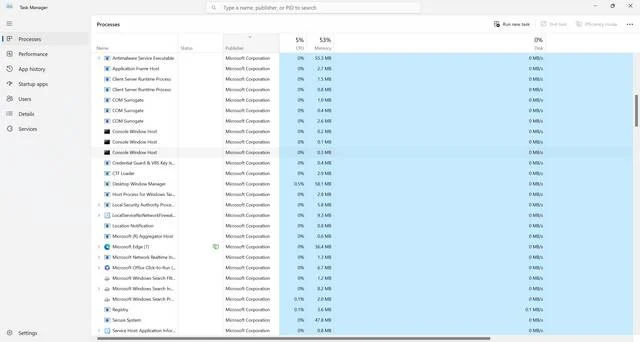
- Open the Windows Task Manager by pressing Ctrl + Shift + Esc or by right-clicking on the taskbar and selecting “Task Manager.”
- In the Task Manager, navigate to the “Processes” or “Details” tab.
- Locate UiSeAgnt.exe in the list of running processes.
- Right-click on UiSeAgnt.exe and select “End Task” or “End Process Tree.”
Disabling UiSeAgnt.exe using the Task Manager will only terminate the process temporarily. It will restart automatically the next time you restart your computer or when the system requires it.
Conclusion
UiSeAgnt.exe is a legitimate system file associated with the User Interface Security Agent in Windows. While it is generally safe and necessary for the proper functioning of certain security features, there may be instances where disabling it temporarily becomes necessary for troubleshooting purposes. However, it is important to exercise caution when disabling system files and to seek professional assistance if needed.
Remember, if you suspect any malicious activity or encounter persistent issues with UiSeAgnt.exe, it is recommended to run a thorough antivirus scan using a reliable security software like Malwarebytes Free. This will help ensure that your system is free from any potential threats.
Ultimately, the decision to disable UiSeAgnt.exe should be made based on careful consideration of the specific circumstances and potential risks involved. It is always recommended to consult with experts or seek professional assistance to ensure the security and stability of your system.

Join the discussion
0 commentsShare your experience or ask a question about this article.
Discussion
Start the conversation
Have a question or something useful to share? Add the first comment.