

Under Armour (UA) is one of the most popular athletic apparel brands, known for its innovative, high-performance activewear. Unfortunately, scammers are taking advantage of UA’s popularity and reputation by creating elaborate fake e-commerce sites pretending to sell Under Armour products at deep discounts.
This article will explore how these Under Armour scam sites operate, provide tips to recognize fraudulent UA sellers, and explain what to do if you become a victim.
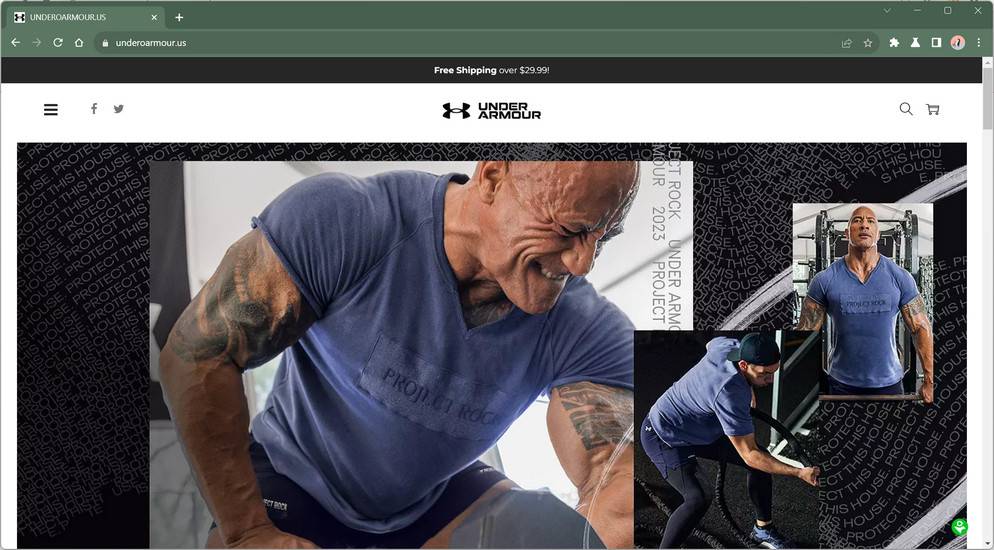
Overview: How the Under Armour Scam Works
The scam goes like this: shady operators build convincing copycat websites incorporating Under Armour’s logo, images and branding throughout. These sites often have domain names slightly different than the real UnderArmour.com to mislead shoppers.
Scammers promote their fake UA shops heavily on social media platforms like Facebook, Instagram and TikTok, running targeted ads to reach Under Armour’s core demographics with “limited time” sales offers like 50-90% off sitewide. The ads and sites look so real that it’s easy to believe the merchandise is authentic.
Victims place orders believing they are buying genuine UA products from an authorized seller. But one of several things happens after checkout:
- Nothing at all – The most common outcome. Orders simply go unfulfilled, products never ship and the scam site ghosts victims.
- Cheap knockoffs – Some customers receive low-quality fakes made with inferior materials and poor construction. These replicas bear a passing resemblance to real UA gear but are not authentic.
- Used, damaged or tampered goods – In some cases, victims report receiving merchandise that is clearly used, defective or otherwise tampered with.
- Completely wrong items – Some orders arrive with random products that are entirely different than what was purchased online.
On top of scamming shoppers out of their money, these sites also harvest users’ personal and financial data at checkout to sell or use for future frauds.
This scam network is believed to be run out of China, with fake sites and fulfillment centers set up quickly then abandoned once the jig is up. Losses can be substantial for victims duped by these sophisticated Under Armour counterfeit operations.
How the Under Armour Scam Works
The operators behind these fraudulent sites have sophisticated methods for deceiving shoppers into believing their sites are genuine. Here is an inside look at how the Under Armour scam unfolds:
- Elaborate Fake Sites – Scammers design sites replicating the look and feel of UnderArmour.com. They copy product images, descriptions, branding elements and policies directly from the real website to appear authentic. The URLs use slight variations like “underarmour-shop.com” or “underarmoursale.com” to confuse shoppers.
- Social Media Promotions – Scam sites rely heavily on social media ads to drive traffic and sales, blanketing platforms like Facebook and Instagram with eye-catching promotions offering 30-50% off or more. The ads target Under Armour fans with military precision.
- Payments Processed – At checkout, orders seem to go through successfully. Scam sites accept credit cards, PayPal or Bitcoin so payments show up as verified and complete. But no actual connection to Under Armour exists.
- No Products Shipped – Victims wait for their orders to arrive, but the orders are never fulfilled. Emails to the site receive no replies. Packages marked as shipped never materialize. The site often disappears soon after orders are placed.
- Data Theft – In addition to collecting payments, scam sites harvest users’ sensitive personal and financial data during checkout. This info can be used to commit further frauds or sold on dark web marketplaces.
- Difficult Recovery – Scam victims who paid by credit card can dispute the charges with their bank, but have limited options otherwise. The fake sites are untraceable, routing payments through accounts unlinked to the scammers. Law enforcement has little power to pursue these largely China-based groups.
This clever process allows scammers to operate completely anonymously while ensnaring victims in a seemingly legitimate transaction. Without realizing they are on counterfeit sites, shoppers hand over money and personal data thinking they will receive genuine UA merchandise. In reality, it is an elaborate scam designed to fleece customers and quickly disappear without a trace.
Warning Signs of a Fraudulent Under Armour Seller
While scam sites go to great lengths to appear authentic, there are key red flags to recognize counterfeit and fraudulent Under Armour sellers:
- Too-good-to-be-true discounts – Prices up to 90% off or more should raise suspicions. Under Armour rarely offers such deep discounts.
- Domain names are slightly off – Fake sites often use domains like “underarmour-outlet.com” or add extra words to seem official. Verify the domain is UnderArmour.com.
- No contact information – Scam sites won’t have a real address, phone number or customer service options beyond an email.
- No details about owners – Counterfeit sites stay anonymous, providing zero info about who owns or runs the business.
- Duplicate content – Scammers copy/paste product info, policies, etc. from the real Under Armour site.
- Poor website quality – Fake sites tend to be less professional looking with mistakes, broken links or sloppy formatting.
- No social media presence – Fraudulent sites lack legitimate Facebook, Twitter or Instagram accounts for the business.
- Mismatched URL/business names – URLs that don’t match the business name exactly may signal a sham company.
- Prices listed without tax – U.S. retailers must display prices including estimated taxes and shipping.
- Checkout only accepts online payments – Scam sites push PayPal, Zelle, Bitcoin or gift cards instead of credit cards with protections.
- No refund policy – Under Armour provides at least 30 days for returns, but scam sites often refuse or severely limit refunds.
- Stock photos – Fake sellers steal product images from other sites instead of using unique photos.
- Poor reviews – Search the site name plus words like “scam” or “fake” to find bad experiences from past customers.
What to Do if You Sent Money to a Scam Under Armour Site
If you placed an order with an illegitimate Under Armour website and paid via credit or debit card, act quickly to improve chances of recovering lost funds:
- Contact your bank immediately – Call your bank/credit card company’s fraud department and request to “dispute the charges as fraudulent”. Provide details about the scam site.
- Monitor statements closely – Watch statements for any unauthorized charges from the scammers. Some scam sites steal credit card info for future fake charges. Report any to your bank right away.
- Place a fraud alert – Consider placing a 90-day initial fraud alert with one of the three credit bureaus (Equifax, TransUnion or Experian). This flags your account and requires extra verification for new credit applications.
- Change passwords – If you used the same password on the scam site account as any other accounts, change it immediately.
- Warn others – Share your experience with friends and online to help prevent others from being victimized. You can also file an online scam complaint with the FTC.
- Close credit cards – If scammers now have your full card details, request a new card number from your bank.
Frequently Asked Questions About Under Armour Scam Sites
Here are answers to some common questions about fraudulent Under Armour websites and how to avoid getting ripped off:
How can I tell if an Under Armour site is legit or fake?
Fake sites have huge discounts (70-90% off), slightly different URLs, no contact info, only online payment options, stock photos, and no details about who owns the business. Real UA only sells from UnderArmour.com.
What really arrives if I order from a scam Under Armour site?
Most likely you’ll receive nothing and lose your money. In some cases victims get cheap knockoffs with inferior quality. Others report damaged, used goods or random wrong items being shipped.
Can I get my money back if I paid by credit card?
Yes, you can dispute the charges and request a refund from your credit card company. Act fast and escalate it as fraud for best results.
Is my credit card info at risk if I entered it on a scam site?
Yes, scam sites cannot be trusted to securely handle your financial data. Monitor your statements closely for unauthorized charges or get a new card number.
Are these Under Armour scammers hard to track down?
Unfortunately, most of these scam websites originate out of China then quickly disappear once discovered. They are sophisticated operations that are difficult for authorities to pursue.
How can I report a fraudulent Under Armour website?
You can report fake sites to Under Armour directly via their contact page at UnderArmour.com. You can also submit details to the FTC and IC3 to help warn others about current scams.
Are other major apparel brands being targeted with these scams too?
Yes, scammers are running these same types of scam sites for brands like Nike, Adidas, Supreme and other popular clothing lines. Always verify sites are authorized sellers.
What precautions can I take to avoid being scammed?
Stick to the official website UnderArmour.com or authorized major retailers. Beware of social media ads with prices that seem too good to be true. Research unfamiliar sites thoroughly before providing any payment or personal information.
The Bottom Line
Under Armour scams cost shoppers substantial sums annually. Fraudulent sites are experts at appearing legit to lure in victims with amazing discount offers. But behind the scenes, they have zero intent on fulfilling orders. Protect yourself by learning how to spot sham sites and sticking to authorized sellers of UA products. If you did fall victim to a counterfeit operation, act fast to get fraudulent charges reversed before the trail goes cold. Being an informed consumer is your best defense against Under Armour and other elaborate online shopping scams.

Join the discussion
0 commentsShare your experience or ask a question about this article.
Discussion
Start the conversation
Have a question or something useful to share? Add the first comment.