

Have you received an email claiming you owe money to a company called “Universal Coaching Consultants” for an order you never placed? This is the latest sneaky phishing scam attempting to steal money and personal information from PayPal users.
This detailed guide will help you recognize, avoid, and recover from the Universal Coaching Consultants PayPal invoice phishing scam. Learn how to protect yourself and your hard-earned money.

Overview of a New Phishing Scam Targeting Unsuspecting PayPal Users
Like many phishing scams, it starts with an email pretending to come from PayPal. The message claims you purchased a high-ticket item and now owe an invoice to Universal Coaching Consultants.
You’re provided a customer support number and threatened with account suspension if you don’t pay immediately. However, the order never happened, and the seller doesn’t exist.
Calling the number routes you to skilled scammers posing as PayPal agents. Using social engineering and manipulation, they’ll convince you to pay the fake invoice via wire transfer, gift cards, crypto, remote access software, or other irreversible means.
Once the payment is sent, the scammers disappear with your money or steal your identity. Victims rarely recover losses when deceived into willingly sending money or access.
This guide will equip you to recognize this new scam and avoid being manipulated into rapidly paying fake invoices from Universal Coaching Consultants or other fictional sellers.
How the Universal Coaching Consultants PayPal Invoice Scam Works
Here are the typical steps fraudsters follow with this scam:
- You receive an email with PayPal branding claiming a high-value purchase was made using your account. The message states you now owe an invoice to Universal Coaching Consultants.
- The email instills urgency by threatening account suspension within 24 hours if you don’t pay. A customer service number is provided to “resolve the issue.”
- Calling the number reaches an actual person – the scammer. They pose as a PayPal agent and confirm you need to pay the invoice immediately.
- The scammer pressures you to pay the invoice right away via wire transfer, gift cards, crypto, Zelle, Venmo, or allowing remote access to your computer.
- If remote access is granted, the scammer downloads malware to steal login and financial data from your computer.
- Once payment is sent, the scammers cut contact. You lose the money, plus open yourself to identity theft.
- You later realize it was a scam, but the damage is already done. The payments or account access can rarely be reversed once completed.
Here are some specific techniques the scammers use over the phone to trick victims:
- They pretend to look up your account and “confirm” the purchase is legitimate.
- They reference the company name Universal Coaching Consultants as if they’re a real, known business.
- They claim the fastest way to avoid account suspension is sending a direct bank transfer, gift card payment, or crypto deposit.
- They offer to “guide you” to buy gift cards, take remote computer access, or log into your bank account so they can “process the payment.”
- If you become skeptical, they use high-pressure threats about your account being frozen.
Remember: no legitimate PayPal agent will demand immediate payment via hard-to-reverse methods and threaten account suspension. This is always a scam tactic.
Recognizing the Telltale Signs of the Universal Coaching Consultants Scam
While the criminals try to convince you the invoice is real, their amateur tactics expose the truth upon closer inspection.
Learn to watch for these signs that an email is a Universal Coaching Consultants PayPal phishing scam:
- No “from” address or a spoofed one – The sender address doesn’t end in @paypal.com. It may be spelt deceptively similar.
- Typos, grammar issues, or awkward wording – Phishing emails are rife with spelling and formatting mistakes.
- Aggressive threats to suspend your account – PayPal doesn’t make severe threats over a single unpaid invoice.
- Request for unusual payment methods – PayPal primarily accepts direct payments. Gift cards, crypto, Zelle, etc. are never required.
- You didn’t make any related purchase – If you know you didn’t buy anything associated with coaching or consulting services, it’s fake.
- The transaction doesn’t appear in your account – Log into your real PayPal account. If there’s no record of the supposed invoice, it doesn’t exist.
- The customer service number is non-standard or fake – Call PayPal directly through their official website to verify strange numbers.
- Research shows no legitimate business – Search online for “Universal Coaching Consultants LLC.” You’ll find no actual company, just scam reports.
With vigilance, recipients can spot the signs of a counterfeit invoice. But if you’re uncertain, reach out to PayPal directly through their official customer service channels to verify strange emails. Don’t call numbers, click links, or reply.
What to Do if You Receive the Universal Coaching Consultants PayPal Email Scam
If a suspicious email about owing an invoice to Universal Coaching Consultants arrives in your inbox, take the following recommended steps:
- Don’t click any links or call phone numbers – This risks downloading malware onto your device or routing your call to scammers.
- Forward the email to spoof@paypal.com – PayPal reviews reported phishing attempts to improve detection and protect customers.
- Scan devices for malware – Run a thorough antivirus scan to uncover any malware installed from prior phishing emails. Reset all account passwords as a precaution.
- Place warnings on financial accounts – Alert your bank and credit card companies about the phishing attempt and closely monitor transactions for fraud.
- Report the scam – File reports about the email with the FTC and IC3 to aid law enforcement in combating these crimes.
- Increase scam awareness – Unfortunately, being targeted once makes you more likely to be targeted again. Be extra vigilant about spotting scam red flags going forward.
Steps to Take if You Already Paid a Fake Universal Coaching Consultants Invoice
If you fell victim and made a payment to the scammers, act quickly to limit the damage:
- Contact PayPal – Report the scam to PayPal’s fraud department immediately. Provide the phishing email and any transaction details. Getting ahead of it can improve chances for recovering lost money.
- Notify your bank – If you paid via bank wire, call your bank’s fraud hotline as soon as possible. Wire transfers can potentially be reversed if caught fast enough.
- Limit account access – Change your PayPal password immediately and enable two-factor authentication. Monitor account activity closely for further misuse.
- Cancel affected payment methods – Contact your credit card company or payment apps used like Venmo or Zelle to halt further fraudulent charges.
- Run antivirus scans – If you entered sensitive information or allowed remote access, thoroughly scan devices for malware and change passwords accordingly.
- File complaints – Report the fraud to the FTC and IC3 with all available details to assist investigations targeting the scammers.
Unfortunately, most victims aren’t able to get their losses returned once scammed into willingly making a payment. Don’t wait to take action if targeted, as your window to limit damage is small.
Is Your Device Infected? Run a Free Malware Scan
Slow performance, constant pop-ups, or strange behavior? These are classic signs of a malware infection. The fastest way to find out is to scan your device with Malwarebytes Free — one of the most trusted malware removal tools available.
The free version detects and removes the most common threats, including:
- Adware — the cause of those annoying pop-ups
- Browser hijackers — unwanted redirects and changed homepages
- Trojans and spyware — hidden programs stealing your data
- Potentially unwanted programs (PUPs) — software you never asked for
👉 Select your device below — Windows, Mac, or Android — then follow the simple steps to download Malwarebytes, scan your system, and remove any threats it finds. The scan usually takes 5 to 20 minutes.
Run a Malware Scan with Malwarebytes for Windows
Malwarebytes is one of the most popular and trusted anti-malware tools for Windows — and it’s completely free for removing infections. It catches threats that many antivirus programs miss, including adware, browser hijackers, and trojans. Follow the steps below to scan and clean your PC in just a few minutes.
Download Malwarebytes
Click the button below to download the latest version of Malwarebytes for Windows from the official source. The free version is all you need — it will scan your computer and remove adware, browser hijackers, and other malicious software at no cost.
Download MalwarebytesOfficial installer for Windows 11 and 10. Your download starts right away.Want real-time protection? See Malwarebytes Premium Malwarebytes Free for WindowsScans and removes malware at no cost
-
Install Malwarebytes
When the download finishes, open your Downloads folder and double-click the MBSetup file. If Windows shows a User Account Control pop-up, click “Yes” to allow the installation.
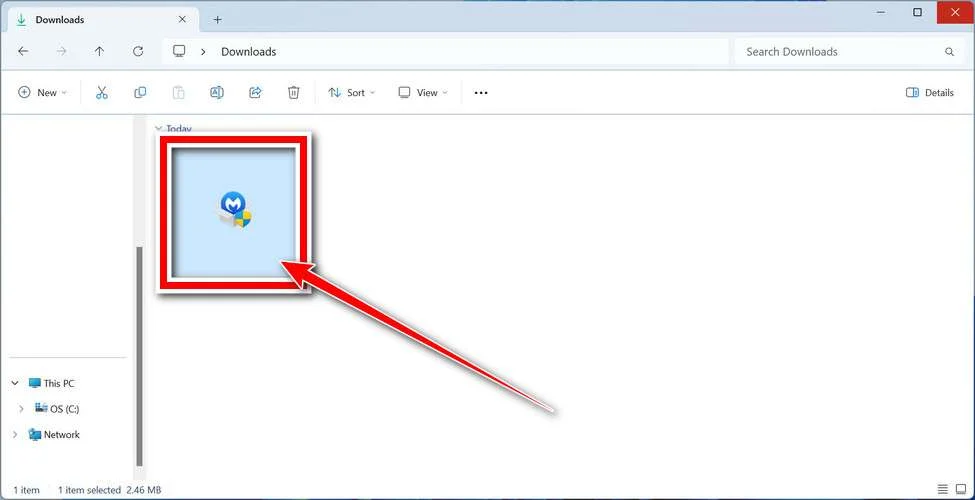
Follow the On-Screen Prompts to Install Malwarebytes
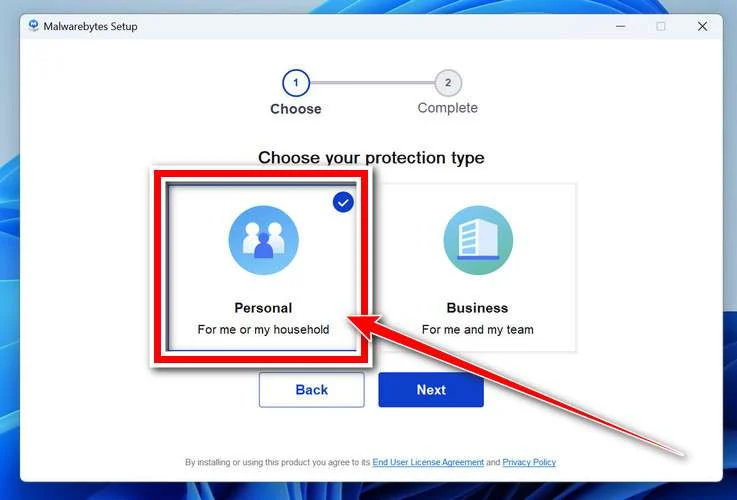
The setup wizard will walk you through a few quick screens:
-
Choose where you’re installing the program — “Personal Computer” or “Work Computer” — then click Next.
-
Malwarebytes will now install on your device. This usually takes under a minute.

-
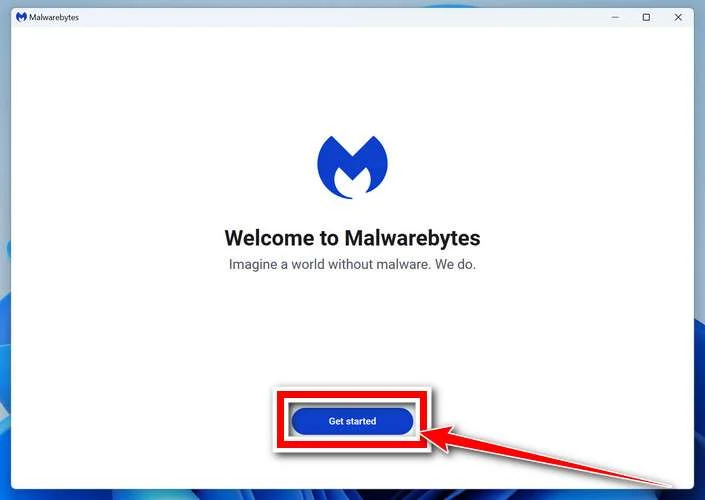
When installation is complete, the “Welcome to Malwarebytes” screen will open automatically.
-
On the final screen, click Open Malwarebytes to launch the program.

-
Enable “Scan for Rootkits”
Before scanning, turn on rootkit detection so Malwarebytes can find even the most hidden threats. Click the Settings gear icon on the left side of the screen.
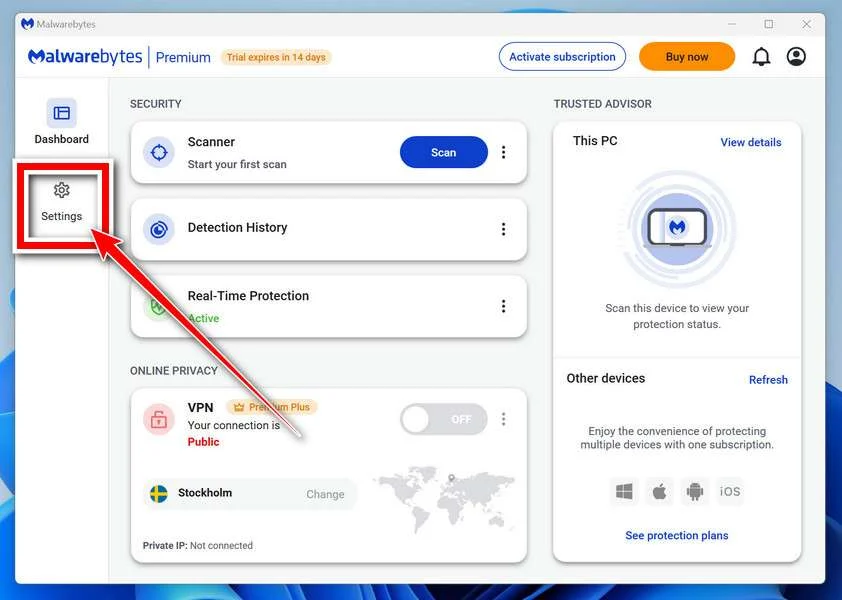
In the settings menu, find “Scan for rootkits” and click the toggle so it turns blue.

Done? Click “Dashboard” in the left pane to return to the main screen.
Start the Scan
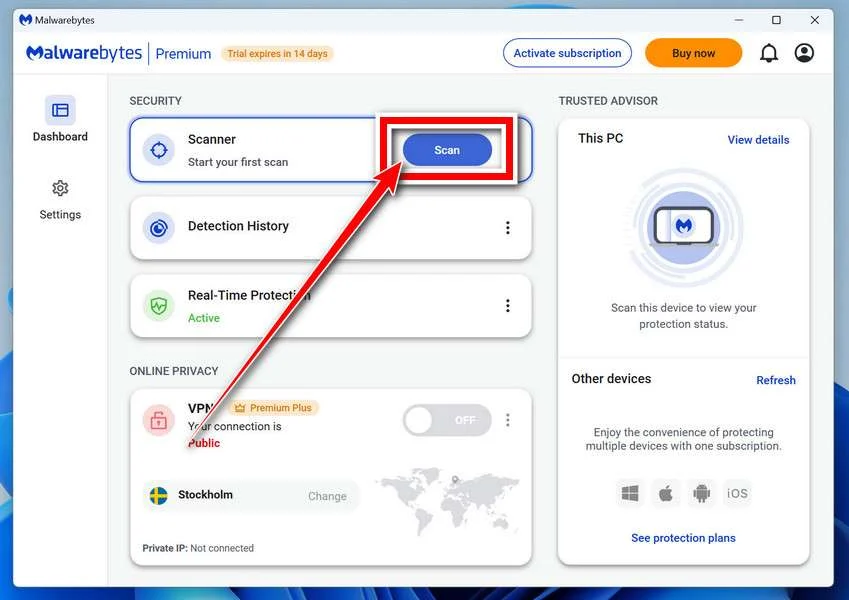
Click the blue Scan button. Malwarebytes will automatically update its virus database and start checking your computer for malware.
-
Wait for the Scan to Finish
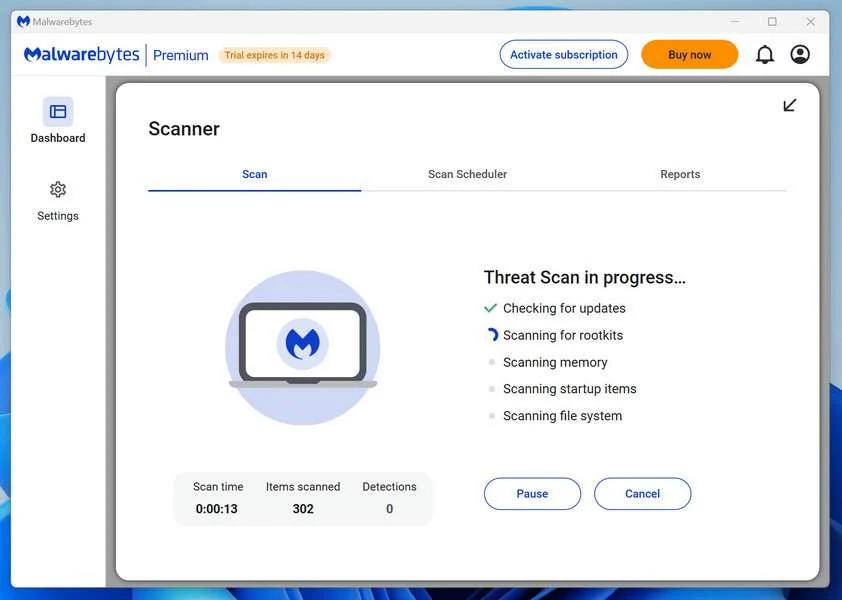
The scan checks your entire system for browser hijackers and other malicious programs, so it can take 5 to 20 minutes depending on your computer. Feel free to do something else — just check back occasionally to see the progress.
-
Quarantine the Detected Threats
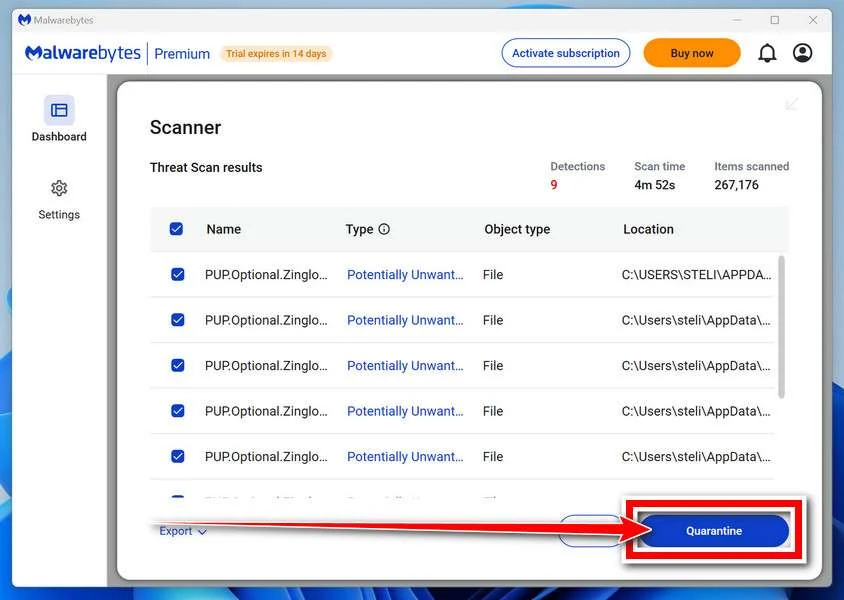
When the scan is done, you’ll see a list of everything Malwarebytes found — malware, adware, and potentially unwanted programs. Click the “Quarantine” button to remove all of them at once.
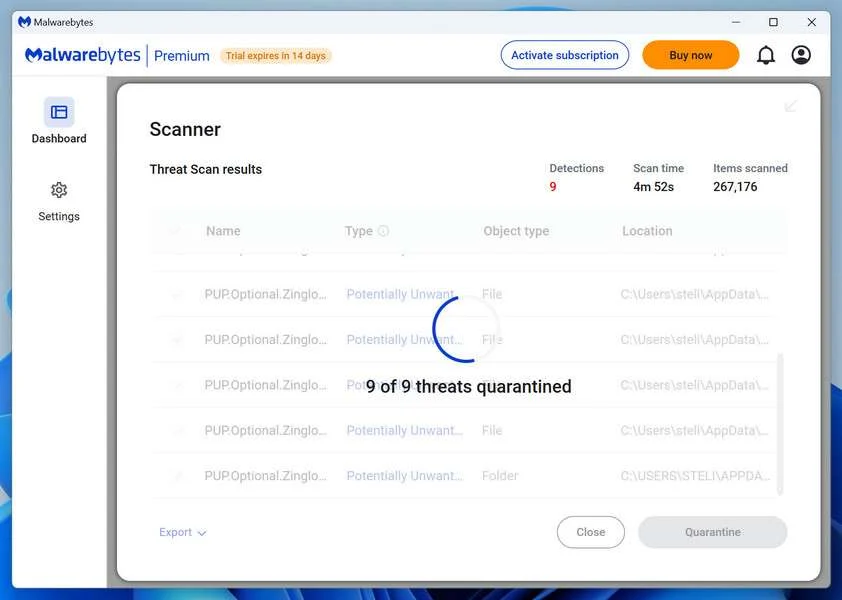
Malwarebytes will now remove the malicious files and registry entries and move them safely into quarantine.
-
Restart Your Computer
Some threats can only be fully removed after a reboot. If Malwarebytes asks you to restart, click Yes. Once you’re logged back in, Malwarebytes has finished removing the threats it found.
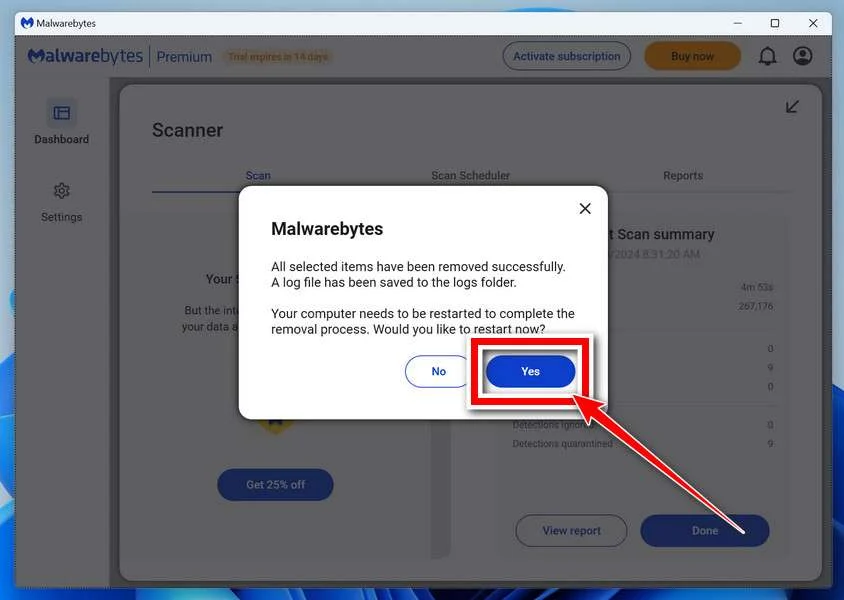
That’s it — your Windows PC is now clean of trojans, adware, and other malware, and should be back to running smoothly.
If you are still having problems with your computer after completing these instructions, then please follow one of the steps:
- Run a computer scan with ESET Online Scanner
- Ask for help in our Windows Malware Removal Help & Support forum.
Run a Malware Scan with Malwarebytes for Mac
Malwarebytes for Mac is a free on-demand scanner that removes the malware other security software tends to miss — adware, browser hijackers, and unwanted programs included. Cleaning an infected Mac with Malwarebytes has always been completely free, and it’s our go-to recommendation. Follow the steps below to scan and clean your Mac in just a few minutes.
-
Download Malwarebytes for Mac
Click the button below to download the latest version of Malwarebytes for Mac.
Download MalwarebytesOfficial installer for macOS. Your download starts right away.Want real-time protection? See Malwarebytes PremiumMalwarebytes Free for MacScans and removes malware at no cost -
Open the Malwarebytes setup file
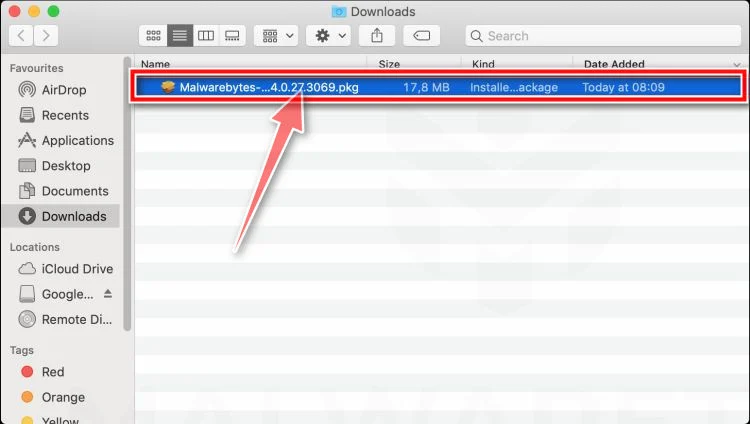
When the download finishes, open your Downloads folder and double-click the setup file to begin the installation.
-
Follow the On-Screen Prompts to Install Malwarebytes
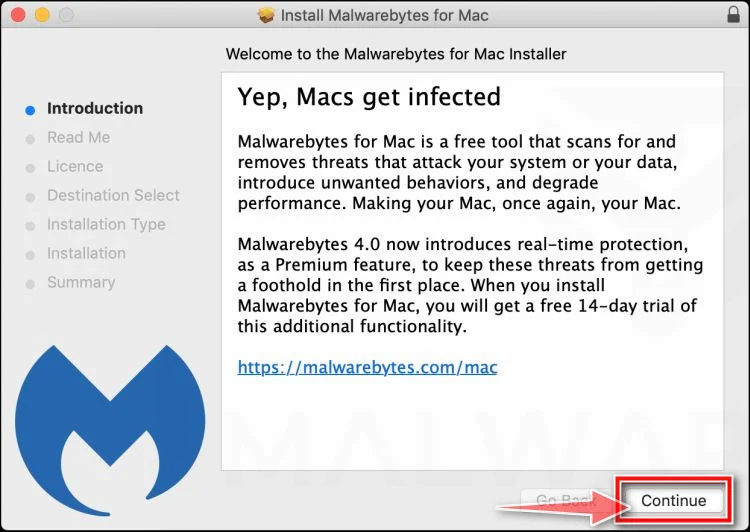
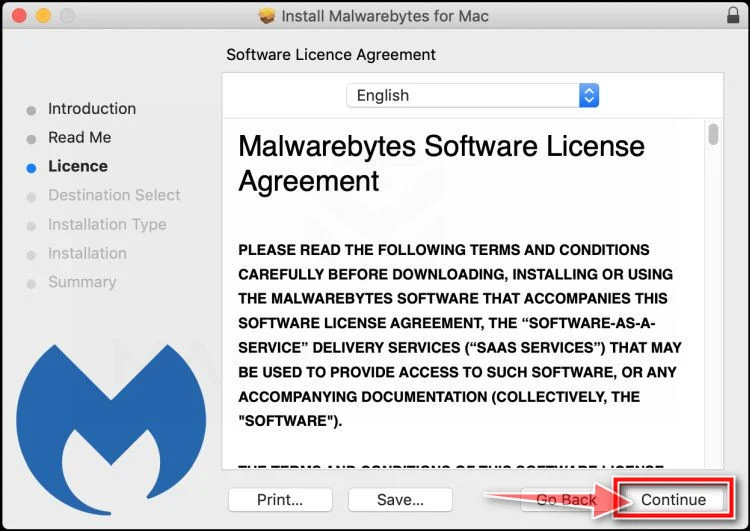
The Malwarebytes for Mac Installer will guide you through a few quick screens. Click “Continue” and keep following the prompts until the installation completes.
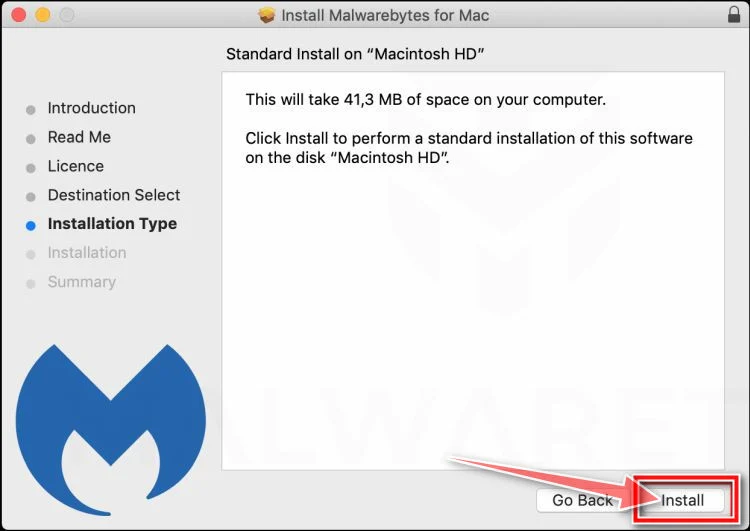
When the installation is complete, Malwarebytes opens to the Welcome to Malwarebytes screen. Click “Get started“.
-
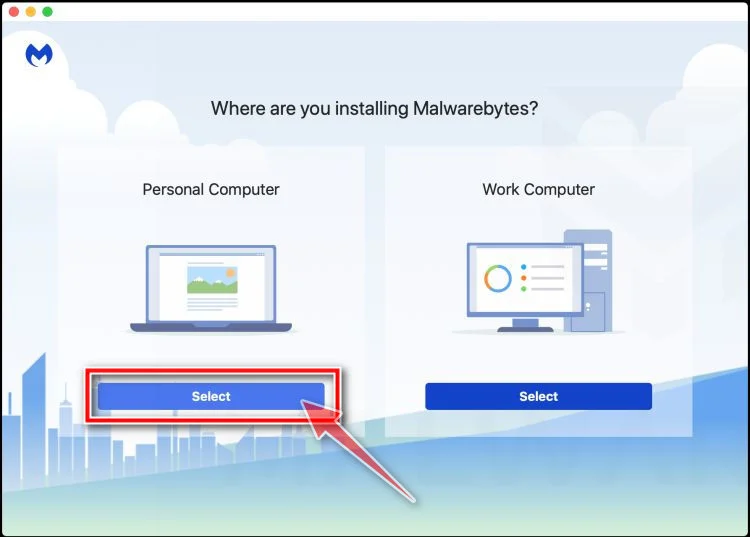
Select “Personal Computer” or “Work Computer”
Malwarebytes will ask what type of computer you’re installing it on. Click either Personal Computer or Work Computer, whichever applies.
-
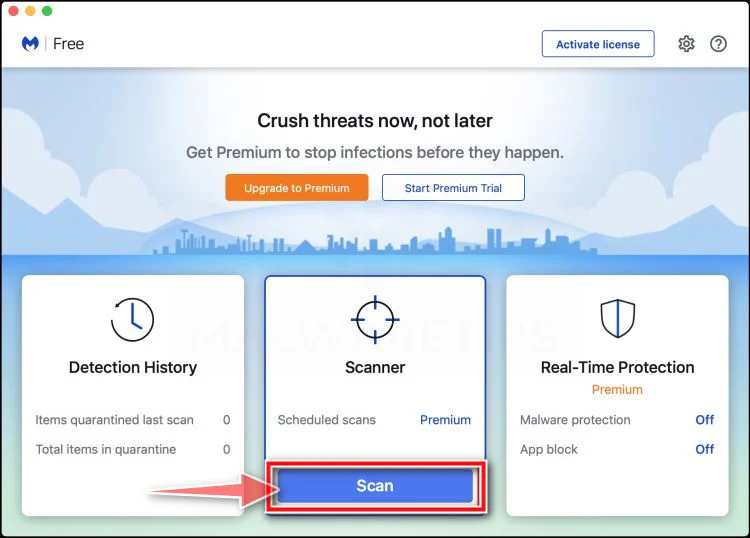
Start the Scan
Click the “Scan” button. Malwarebytes will automatically update its detection database and begin checking your Mac for malware.
-
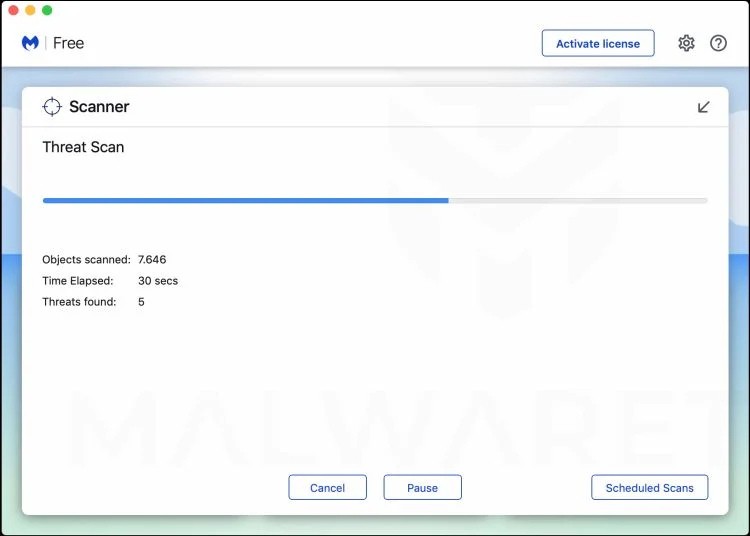
Wait for the Scan to Finish
Malwarebytes will scan your Mac for adware, browser hijackers, and other malicious programs. This can take a few minutes, so feel free to do something else — just check back occasionally to see the progress.
-
Quarantine the Detected Threats
When the scan is done, you’ll see a list of everything Malwarebytes found. Click the “Quarantine” button to remove all the threats at once.
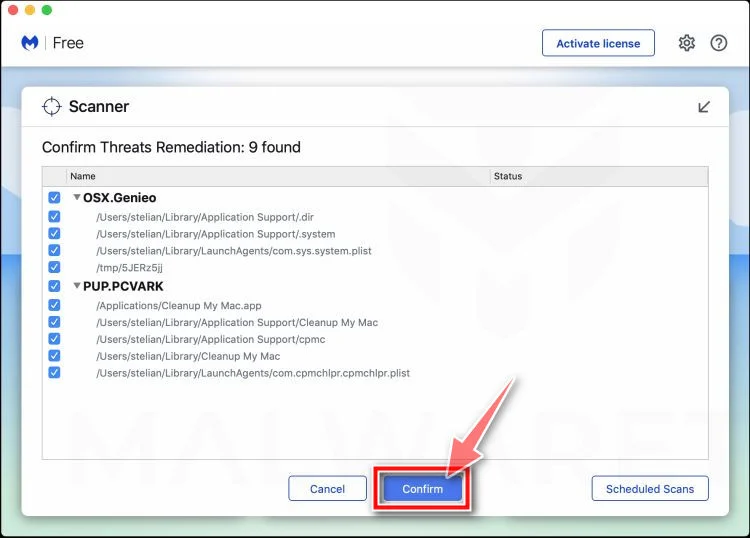
-
Restart Your Mac
Malwarebytes will now remove all the malicious files it found. Some threats can only be fully removed after a reboot — if Malwarebytes asks you to restart, allow it. Once you’re logged back in, your Mac is clean.
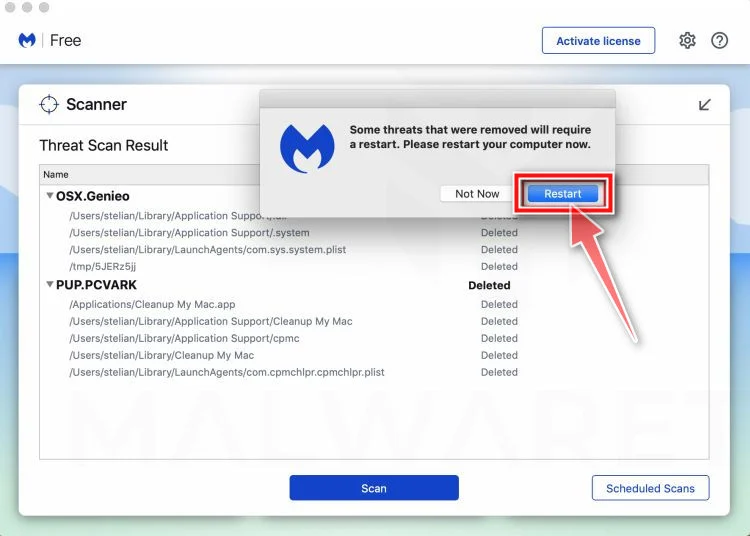
That’s it — your Mac is now free of adware, rogue browser extensions, and other potentially harmful software.
If you are still experiencing problems while trying to remove a malicious program from your computer, please ask for help in our Mac Malware Removal Help & Support forum.
Run a Malware Scan with Malwarebytes for Android
Malwarebytes for Android automatically detects and removes dangerous threats like malware and ransomware so you don’t have to worry about your most-used device being compromised. Aggressive detection of adware and potentially unwanted programs keeps your Android phone or tablet running smooth.
-
Download Malwarebytes for Android.
You can download Malwarebytes for Android by clicking the link below.
Get Malwarebytes for AndroidOpens Google Play in a new tab.Want real-time protection? See Malwarebytes Premium for AndroidMalwarebytes for AndroidScans your phone and removes malware at no cost -
Install Malwarebytes for Android on your phone.
In the Google Play Store, tap “Install” to install Malwarebytes for Android on your device.

When the installation process has finished, tap “Open” to begin using Malwarebytes for Android. You can also open Malwarebytes by tapping on its icon in your phone menu or home screen.

-
Follow the on-screen prompts to complete the setup process
When Malwarebytes will open, you will see the Malwarebytes Setup Wizard which will guide you through a series of permissions and other setup options.
This is the first of two screens that explain the difference between the Premium and Free versions. Swipe this screen to continue.
Tap on “Got it” to proceed to the next step.
Malwarebytes for Android will now ask for a set of permissions that are required to scan your device and protect it from malware. Tap on “Give permission” to continue.
Tap on “Allow” to permit Malwarebytes to access the files on your phone.
-
Update database and run a scan with Malwarebytes for Android
You will now be prompted to update the Malwarebytes database and run a full system scan.

Click on “Update database” to update the Malwarebytes for Android definitions to the latest version, then click on “Run full scan” to perform a system scan.

-
Wait for the Malwarebytes scan to complete.
Malwarebytes will now start scanning your phone for adware and other malicious apps. This process can take a few minutes, so we suggest you do something else and periodically check on the status of the scan to see when it is finished.

-
Click on “Remove Selected”.
When the scan has been completed, you will be presented with a screen showing the malware infections that Malwarebytes for Android has detected. To remove the malicious apps that Malwarebytes has found, tap on the “Remove Selected” button.

-
Restart your phone.
Malwarebytes for Android will now remove all the malicious apps that it has found. To complete the malware removal process, Malwarebytes may ask you to restart your device.
That’s it — your Android phone is now clean — no more malicious apps, adware, or browser redirects.
If you are still having problems with your phone after completing these instructions, then please follow one of the steps:
- Restore your phone to factory settings by going to Settings > General management > Reset > Factory data reset.
- Ask for help in our Mobile Malware Removal Help & Support forum.
Stay Protected: Block Ads and Malicious Sites
Now that your device is clean, keep it that way. Most infections start with a malicious ad or a fake download button — so blocking them at the source is your best defense.
We recommend AdGuard, which blocks malicious ads, phishing pages, and dangerous redirects before they can reach you.
👉 Download AdGuard and browse safely
Frequently Asked Questions About the Universal Coaching Consultants PayPal Invoice Scam
1. What is the Universal Coaching Consultants PayPal invoice scam?
The Universal Coaching Consultants PayPal invoice scam is a phishing scam where victims receive a fake email claiming they owe money to a company called “Universal Coaching Consultants” for an order never placed. The email states you must pay the invoice immediately or your PayPal account will be suspended. It provides a customer support number that routes to a scammer posing as a PayPal agent. They pressure and manipulate victims into paying the fake invoice via wire transfer, gift cards, crypto, remote access software, Zelle, Venmo or other non-reversible means. Once sent, the scammers disappear with your money and sensitive data.
2. What are some tactics the scammers use on the phone?
The fraudsters who answer the phone number pretend to look up your account and confirm the invoice is real. They reference Universal Coaching Consultants as if it’s a legitimate, known business. They insist the fastest way to avoid suspension is paying immediately via bank wire, gift card, crypto, or granting remote access, which allows them to steal your data. If you become skeptical, they use aggressive threats about freezing your account.
3. What are signs to recognize the Universal Coaching Consultants scam emails?
Warning signs include a spoofed sender address, typos/grammar issues, threats about account suspension, requests for unusual payment types, referencing an order you never placed, the transaction not appearing in your PayPal account, and an unfamiliar customer service number. Also, “Universal Coaching Consultants” is a fake business name used only for this scam.
4. What should I do if I receive the fake invoice email?
Do not click any links or call the number provided. Forward the email to spoof@paypal.com. Run antivirus scans on your devices in case of malware. Place warnings on your financial accounts to watch for fraud. Report the scam attempt to the FTC and IC3.
5. What steps should I take if I already paid a fake Universal Coaching Consultants invoice?
Immediately contact PayPal and your bank to report the fraud, restrict further account access, cancel affected payment methods, run antivirus scans for malware, change passwords, and file complaints with the FTC and IC3. Act quickly, as chances to recover losses decrease over time.
6. How can I avoid PayPal phishing scams moving forward?
Carefully inspect all PayPal emails for spoofing red flags. Never call unverified numbers or click suspicious links. Know legitimate PayPal payment methods – they will never require unusual payments like gift cards, crypto, Zelle etc. Verify referenced transactions by logging into your PayPal account directly prior to taking action.
7. What is the top thing to remember about the Universal Coaching Consultants scam?
The most important takeaway is to never react quickly to demands for payment, even if they threaten to suspend your account. Carefully verify emails, transactions, numbers, and payment methods being requested to recognize scam red flags. Legitimate companies will not insist you pay immediately in irreversible ways.
Conclusion: Don’t Let Scammers Fool You Into Paying Fake Invoices
The Universal Coaching Consultants PayPal invoice phishing scam shows that scammers are always coming up with new tactics to steal from unsuspecting victims.
This guide provided an in-depth look at how the scam works, techniques the fraudsters use, signs to recognize phishing attempts, and steps to take if targeted or already victimized.
The most important takeaway is to never react quickly or rashly to demands for payment, even if they claim your account will be frozen. Carefully scrutinize any PayPal email, double-check sender addresses, verify transactions, and only call numbers listed on the official website.
Legitimate businesses will never insist you pay immediately via irreversible methods like gift cards, Zelle, crypto, or remote access software. Recognizing these red flags protects you from losing money or access to your PayPal account.
PayPal does make mistakes on occasion, but they will provide reasonable timeframes and payment methods to resolve issues. Scammers rely on manufactured urgency and threats to bypass your critical thinking in hopes of easy money.
Stay vigilant for new versions of the Universal Coaching Consultants scam and other phishing attempts going forward. Now that you understand their devious tricks, you can keep control of your hard-earned money and shut down these fraudsters. Don’t become another victim!

Join the discussion
0 commentsShare your experience or ask a question about this article.
Discussion
Start the conversation
Have a question or something useful to share? Add the first comment.