

Scammers are constantly finding new ways to deceive unsuspecting individuals and steal their personal information. One such method is the ‘Unread Pending Message’ phishing scam email. This type of scam preys on people’s curiosity and fear of missing out on important messages. In this article, we will delve into what this scam is, how it works, what to do if you have fallen victim, technical details, and statistics to support our points.
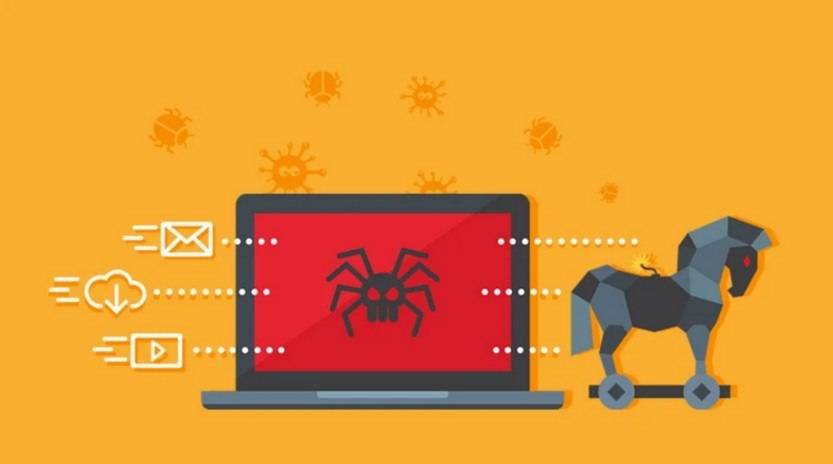
What is the ‘Unread Pending Message’ Phishing Scam Email?
The ‘Unread Pending Message’ phishing scam email is a fraudulent email that tricks recipients into believing they have an important message waiting for them. The email typically appears to come from a reputable source, such as a well-known company or service provider. It often includes a subject line that implies urgency or importance, such as “URGENT: Unread Message Awaits Your Attention.”
These scam emails are designed to manipulate recipients into clicking on a malicious link or downloading an infected attachment. The ultimate goal of the scammers is to obtain sensitive information, such as login credentials, credit card details, or personal identification information.
How Does the ‘Unread Pending Message’ Phishing Scam Email Work?
The ‘Unread Pending Message’ phishing scam email works by exploiting human curiosity and the fear of missing out on important information. The scammers craft convincing emails that appear to be from legitimate sources, using logos, branding, and language that mimic the real company or service provider.
When a recipient opens the email, they are presented with a message that claims there is an unread message waiting for them. The email often includes a link or an attachment that the recipient is instructed to click on or download in order to access the message.
However, clicking on the link or downloading the attachment can have serious consequences. In some cases, the link may lead to a fake website that is designed to steal login credentials or other sensitive information. In other cases, the attachment may contain malware or ransomware that can infect the recipient’s device and compromise their data.
What to Do If You Have Fallen Victim?
If you have fallen victim to the ‘Unread Pending Message’ phishing scam email, it is important to take immediate action to protect yourself and your information.
- Disconnect from the internet: If you suspect that you have clicked on a malicious link or downloaded an infected attachment, disconnect from the internet to prevent further damage.
- Scan your device for malware: Run a scan with a reputable antivirus software, such as Malwarebytes Free, to detect and remove any malware or ransomware that may have been installed on your device.
- Change your passwords: If you have entered any login credentials on a fake website, immediately change your passwords for the affected accounts. It is also a good practice to change passwords for other accounts that use similar or identical passwords.
- Monitor your accounts: Keep a close eye on your financial accounts, credit reports, and any other accounts that may have been compromised. Report any suspicious activity to the respective institutions.
- Educate yourself: Learn from the experience and educate yourself about common phishing scams and how to identify them. This knowledge will help you avoid falling victim to similar scams in the future.
Technical Details of the ‘Unread Pending Message’ Phishing Scam Email
The ‘Unread Pending Message’ phishing scam email often utilizes various techniques to appear legitimate and bypass spam filters. Here are some technical details to be aware of:
- Sender spoofing: Scammers often spoof the sender’s email address to make it appear as if the email is coming from a trusted source. They may use similar domain names or manipulate the display name to deceive recipients.
- Malicious attachments: The scam emails may contain attachments, such as PDFs or Word documents, that are infected with malware or ransomware. These attachments may exploit vulnerabilities in software to gain unauthorized access to the recipient’s device.
- Phishing links: The emails may include links that direct recipients to fake websites designed to steal their login credentials or personal information. These websites often closely resemble the legitimate websites they are impersonating.
- Social engineering tactics: The scammers use psychological manipulation techniques to create a sense of urgency or importance, compelling recipients to take immediate action without thinking critically.
Statistics on Phishing Scams
Phishing scams, including the ‘Unread Pending Message’ phishing scam email, continue to be a significant threat to individuals and organizations. Here are some statistics that highlight the prevalence and impact of phishing scams:
- According to the FBI’s Internet Crime Complaint Center (IC3), phishing was the most reported cybercrime in 2020, with over 241,000 complaints.
- A report by Verizon found that 36% of data breaches involved phishing attacks.
- According to the Anti-Phishing Working Group (APWG), there were over 222,000 unique phishing attacks reported in the first quarter of 2021.
- Phishing attacks cost businesses an estimated $1.8 billion in losses in 2020, according to the FBI’s IC3.
Summary
The ‘Unread Pending Message’ phishing scam email is a deceptive tactic used by scammers to trick individuals into revealing their personal information or infecting their devices with malware. These scam emails exploit human curiosity and the fear of missing out on important messages. To protect yourself, it is crucial to be vigilant and cautious when dealing with unsolicited emails. If you have fallen victim to such a scam, take immediate action to mitigate the damage and educate yourself to avoid similar scams in the future. Remember to always stay informed, stay cautious, and stay safe online.

Join the discussion
0 commentsShare your experience or ask a question about this article.
Discussion
Start the conversation
Have a question or something useful to share? Add the first comment.