

Scammers are constantly coming up with new ways to deceive unsuspecting individuals and steal their personal information. One such scam that has been on the rise is the “Upgrade Your Mailbox” phishing scam email. This article will provide a detailed overview of what this scam is, how it works, what to do if you have fallen victim, and other relevant information to help you stay safe online.
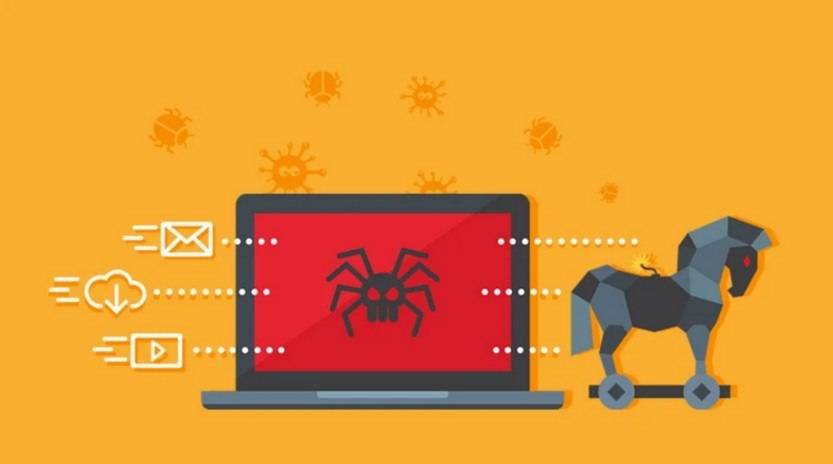
What is the “Upgrade Your Mailbox” phishing scam email?
The “Upgrade Your Mailbox” phishing scam email is an attempt by scammers to trick individuals into providing their personal information, such as usernames, passwords, and credit card details. The email typically appears to be from a legitimate email service provider, such as Gmail or Yahoo, and claims that the recipient’s mailbox is outdated and needs to be upgraded immediately.
The email often includes a sense of urgency, stating that failure to upgrade the mailbox will result in the account being suspended or deleted. To make the email appear more convincing, scammers may use official logos and email templates that closely resemble those of the legitimate email service providers.
How does the “Upgrade Your Mailbox” phishing scam email work?
The “Upgrade Your Mailbox” phishing scam email works by exploiting the trust and urgency of the recipient. Here is a step-by-step breakdown of how the scam typically unfolds:
- The scammer sends an email to the recipient, posing as a representative from a popular email service provider.
- The email claims that the recipient’s mailbox is outdated and needs to be upgraded immediately.
- The email includes a link or a button that directs the recipient to a fake website that closely resembles the legitimate email service provider’s website.
- Once the recipient clicks on the link or button, they are taken to the fake website, where they are prompted to enter their login credentials and other personal information.
- Unbeknownst to the recipient, the scammers collect the entered information, which they can later use for identity theft or other fraudulent activities.
It is important to note that legitimate email service providers will never ask users to provide their login credentials or personal information through email. If you receive an email asking for such information, it is likely a phishing scam.
What to do if you have fallen victim to the “Upgrade Your Mailbox” phishing scam email?
If you have fallen victim to the “Upgrade Your Mailbox” phishing scam email, it is crucial to take immediate action to protect your personal information. Here are the steps you should follow:
- Change your email account password: As soon as you realize you have been scammed, change your email account password to prevent further unauthorized access.
- Scan your device for malware: Run a scan with Malwarebytes Free or any reputable antivirus software to check for any malware that may have been installed on your device.
- Monitor your accounts: Keep a close eye on your bank accounts, credit cards, and other online accounts for any suspicious activity. If you notice any unauthorized transactions, report them to your bank or the respective service provider immediately.
- Report the scam: Report the phishing scam email to your email service provider and any relevant authorities, such as the Federal Trade Commission (FTC) or your local law enforcement agency.
How to protect yourself from phishing scams?
Prevention is always better than cure when it comes to phishing scams. Here are some tips to help you protect yourself from falling victim to phishing scams:
- Be cautious of emails asking for personal information: Legitimate organizations will never ask you to provide personal information through email. Be skeptical of any email that requests such information.
- Verify the source: Before clicking on any links or buttons in an email, hover your mouse over them to see the actual URL. If it looks suspicious or different from what you would expect, do not click on it.
- Keep your software up to date: Regularly update your operating system, web browsers, and antivirus software to ensure you have the latest security patches and protection against known vulnerabilities.
- Enable two-factor authentication: Enable two-factor authentication whenever possible to add an extra layer of security to your online accounts.
Summary
The “Upgrade Your Mailbox” phishing scam email is a deceptive tactic used by scammers to trick individuals into providing their personal information. By posing as representatives from popular email service providers, scammers create a sense of urgency and exploit the trust of the recipients. To protect yourself, be cautious of emails asking for personal information, verify the source of any links or buttons, keep your software up to date, and enable two-factor authentication. If you have fallen victim to a phishing scam, take immediate action by changing your passwords, scanning your device for malware, monitoring your accounts, and reporting the scam to the relevant authorities.

Join the discussion
0 commentsShare your experience or ask a question about this article.
Discussion
Start the conversation
Have a question or something useful to share? Add the first comment.