


A small Ur Yoga Journey charge can look easy to dismiss. You might remember a trial, or you might have no idea what the name means.
Before ignoring it, separate the first payment from the membership that may follow. The service’s own terms explain why that difference can become expensive.
Overview
A digital membership, not a one-off yoga purchase
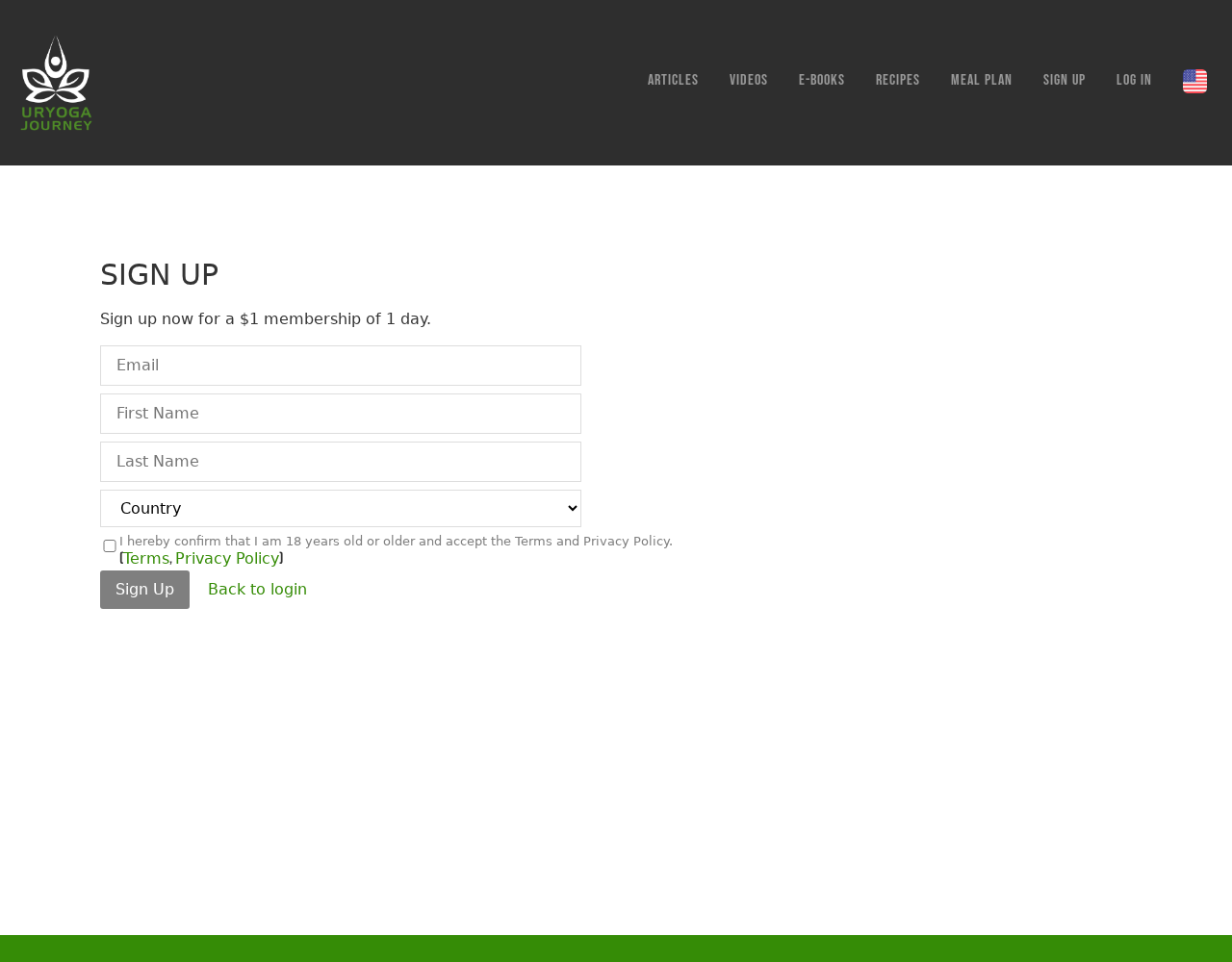
Ur Yoga Journey, at uryogajourney.com, markets yoga videos, articles, ebooks, recipes, and meal-planning content. Its registration page advertises one day of membership for $1.
The terms describe recurring monthly membership packages costing up to $59.99. They also allow a separately selected meal-plan subscription of up to $24.99 monthly.
Those figures are published ceilings, not proof of the exact amount any particular customer authorized. Your enrollment confirmation and payment record determine your own situation.
The initial screen does not tell the whole billing story
The loaded signup screen emphasizes the $1 introductory membership and links to the terms. It does not prominently state a specific later monthly amount beside that offer.
We did not create an account or proceed through payment. A later checkout may supply further disclosures; the first screen should not be mistaken for complete consent evidence.
The website provides cancellation routes, but its refund policy limits recurring-payment refunds to the most recent payment after a case-by-case investigation.
What matters if you recognize the merchant name
- Check whether you agreed to a trial and when its 24-hour period ended.
- Identify the actual membership fee rather than assuming the $1 payment was the full purchase.
- Look separately for any meal-plan add-on and its cancellation status.
- Treat an entirely unrecognized payment as a payment-security issue, not automatically as your subscription.
Do not enter this trial without a clear renewal price and deadline. If you want out, request cancellation explicitly rather than simply stop using the content.
How the $1 Offer Becomes a Recurring Commitment
The terms describe a 24-hour introductory period costing $1. That is a short decision window, not a month of low-cost access.
A person joining late at night could have very little practical time to explore the library and contact support before another billing stage approaches.
The monthly membership can cost up to $59.99 according to the published terms. The price may vary with the selected subscription plan.
A promotional entry price therefore tells you almost nothing about the ongoing cost. Compare the renewal amount with alternatives before deciding whether the trial is worthwhile.
For scale, twelve monthly payments of $59.99 would total $719.88. That is arithmetic at the published maximum, not a claim that every subscriber pays it.
The terms separately describe an optional meal-plan subscription costing up to $24.99 per month. It is an additional service, not necessarily part of every account.
If both maximum-priced subscriptions were chosen, the combined monthly amount would be $84.98. Do not apply that figure to your statement without checking your actual selections.
The public registration screen has personal-information fields and a terms-acceptance checkbox. That checkbox does not show us what a later payment screen explains.
A complete investigation of an individual charge needs the final enrollment page, the receipt, the agreed plan, and any separate add-on consent.
What the Complaints Establish, and What They Do Not
A recent public complaint says the writer never subscribed and saw repeated attempted charges at decreasing amounts. That account has not been independently authenticated.
The report was merged into an older Scamwatcher discussion. Recent comments describe billing concerns, but the discussion’s original creation date is July 2024.
That distinction matters: an old thread with a fresh complaint is not proof that a new campaign began this week.
Nor can a stranger’s account establish your authorization history. An unwanted renewal after a real trial differs from a payment made without any enrollment.
Both deserve prompt attention, but the evidence and remedy may differ. Explain which situation applies instead of copying another complainant’s account into your dispute.
The stronger independently visible finding is the subscription structure itself: low introductory access, materially higher potential renewal, and a separate possible recurring add-on.
A $1 trial that rolls into monthly billing deserves the same attention as any other contract. Save its exact renewal terms before you commit.
A service can contain actual yoga content and still create a serious billing problem. The existence of a video library does not resolve a disputed charge.
How the Ur Yoga Journey Membership Process Works
Step 1: Start with a small introductory payment
The signup invitation leads with $1 for one day. The small amount can make the decision feel less consequential than an ordinary paid subscription.
Before continuing, find the full monthly rate, the exact renewal time, and the cancellation method. If those are unclear, do not supply payment details.
Save the offer you actually saw. Different promotions can carry different conditions, so a later search result may not reconstruct your own enrollment.
Step 2: Move into the selected recurring plan
The terms provide for periodic charges after the initial payment. Non-use does not end the account or cancel that commitment.
That means closing a browser tab, ignoring emails, or deciding not to exercise is not a substitute for a cancellation instruction.
A receipt should identify the service, amount, and billing schedule. If it does not, ask for those details rather than waiting for another charge.
Step 3: Check whether another subscription was added
The terms allow an additional meal-plan offer during checkout. They describe it as something the customer can decline and must choose to subscribe to.
We did not inspect a completed checkout, so no preselection or automatic enrollment is established. Review your own confirmation for more than one active product.
Ask whether cancellation covers both the main membership and any extra plan. A vague reply about one account can leave a separate service unresolved.
Step 4: Cancel the renewal and address past charges separately
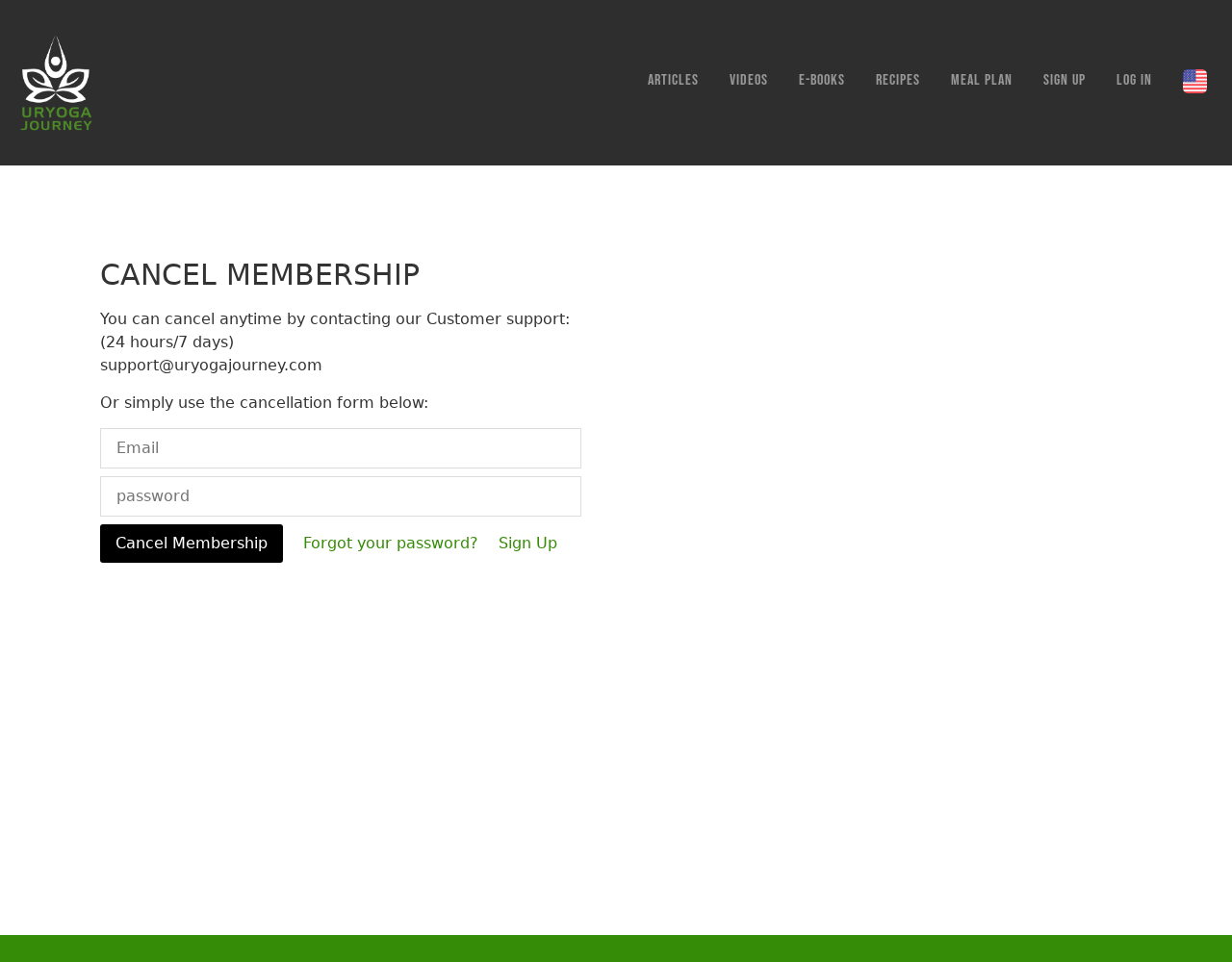
The site provides a cancellation page and support email. Its terms say cancellation takes effect at the end of the current billing cycle.
Canceling future renewals does not automatically refund previous payments. Conversely, a promised refund should not be treated as cancellation unless the merchant confirms both.
Keep the requested cancellation time and the merchant’s reply together. If another charge follows, those records help establish the sequence.
The Company, Contact Routes, and Refund Limits
The website names Valley2Valley, Inc.
The footer and terms identify Valley2Valley, Inc. as the operator. The stated address is 16501 Ventura Boulevard, Suite 400, Encino, California 91436.
These are the website’s contractual identity claims. They do not independently establish the business’s current registration, actual occupancy, or responsibility for every message using its name.
Use them to compare your invoice and statement, not to assume any similarly named company is involved.
Use the current support details, not an old complaint’s phone number
The live pages list support@uryogajourney.com and +1 888 490 2713. An older public report displays a different number.
That old number should not be presented as today’s verified cancellation route. Contact details can change, and complaint submissions can contain mistakes.
We inspected the published routes but did not call or email them. Availability on a webpage is not a tested response or cancellation success rate.
The cancellation page requires an actual request
The membership-cancellation page offers support contact and a form. Submit only the information needed to identify the relevant account through a route you verify independently.
Do not disclose a bank password, one-time payment code, or full card number to someone promising a refund. Those details are not needed to explain your complaint.
If you never opened an account, do not create a new paid membership just to reach the cancellation process. Contact the payment provider instead.
The self-service form asks for an account password. Enter credentials only on the independently checked site, not in an email reply or a caller’s imitation page.
Someone who cannot recall a trial should not guess passwords repeatedly. Use the site’s recovery route or ask support to identify the membership safely.
The refund policy narrows what the merchant says it will repay
The policy describes case-by-case review and a refund decision within 30 days. For recurring charges, it says only the most recent payment will be refunded.
It also says refunding recurring billing ends the service. That is the merchant’s stated policy, not proof that a particular request has been accepted.
A provider’s dispute rights can differ from the store’s refund policy. Do not assume a merchant-written limitation ends every route for challenging an unauthorized payment.
If You Never Signed Up, Start With the Payment Record
An unfamiliar descriptor is a reason to investigate, not a reason to enter card details into the first search result promising cancellation.
Open your bank or wallet through its usual app. Record the exact descriptor, date, amount, currency, payment method, and whether the entry is pending or completed.
Search your own email privately for the merchant name and trial receipts. Check whether another authorized household user recognizes the payment.
If nobody authorized it, tell the card issuer or wallet provider that directly. Do not falsely describe an unwanted but knowingly enrolled trial as a stolen-card transaction.
Ask whether future merchant payments can be blocked and whether a replacement card is appropriate. Replacing a card alone may not end an existing recurring arrangement.
Keep monitoring the original account after any action. A small test payment, a monthly membership, and an extra plan may appear as separate entries.
There is no need to install a security cleaner merely because the merchant name appeared on a statement. Focus first on authorization and billing.
What to Do About Ur Yoga Journey Charges
-
Identify the disputed transactions. Separate the introductory $1 payment from later renewals, declined attempts, and any additional service.
Make a simple dated record. Distinguishing pending holds from completed charges prevents confusion when you ask for a refund or dispute.
-
If you knowingly enrolled, cancel every unwanted recurring service through verified account settings or the published support route. State that you withdraw permission for future renewals.
Request written confirmation of the effective date and the products covered. Preserve the form response or sent email before closing the page.
-
Request a refund separately, naming each payment and the reason. Explain unclear renewal disclosure, billing after cancellation, or non-authorization only when it matches your experience.
Attach your original offer and cancellation records, not unrelated screenshots of other customers’ complaints. Ask for a reference number and written decision.
-
Contact your payment provider promptly if authorization is absent, cancellation fails, or a supported refund request remains unresolved. Ask about its specific dispute deadline.
Do not let the merchant’s stated review period make that deadline expire. The bank or wallet provider can explain available protections and future-payment controls.
-
Protect sensitive information during the exchange. Send a masked statement if needed, and keep account credentials and verification codes private.
A genuine billing conversation should not require remote control of your computer or a cryptocurrency transfer. End contact if someone introduces those demands.
-
Check subsequent statements and retain the outcome. If the same service bills again after confirmed cancellation, add that new entry to the existing complaint.
For unresolved deceptive-subscription concerns, submit a factual report to the appropriate consumer-protection authority. Keep original evidence rather than only a summary.
Frequently Asked Questions
What is Ur Yoga Journey on my statement?
It may relate to the digital yoga and lifestyle membership at uryogajourney.com. Match the exact descriptor against your records before accepting that explanation.
If you did not authorize a membership, ask the payment provider to investigate rather than enroll again to find out.
Is the $1 payment the entire membership cost?
No. The published offer describes one day of introductory access. The terms provide for monthly renewal packages costing up to $59.99 afterward.
Your actual rate should be established from the offer and receipt you accepted, not guessed from the maximum.
Can the meal plan create another monthly charge?
The terms describe a separate optional subscription costing up to $24.99 monthly. That does not prove it was added to your account.
Review your purchase confirmation and request cancellation of that specific service if present and unwanted.
Will simply stop using the website cancel it?
No. The terms expressly distinguish non-use from cancellation. Make an explicit request and keep confirmation showing when future billing ends.
Does canceling guarantee a refund of every payment?
No. The merchant’s policy limits recurring-payment refunds to the latest payment after review. Cancellation and reimbursement are separate issues.
Disputed or unauthorized charges may have other remedies through your payment provider. Ask about them promptly rather than assuming the website decides everything.
Is Ur Yoga Journey a confirmed scam?
The independently documented issue is a recurring-membership offer whose low initial price can conceal a much larger commitment from an inattentive shopper.
Public unauthorized-charge allegations deserve investigation, but they do not prove every membership was fraudulent. Decline the trial unless its complete billing terms are clear.
The Bottom Line
Do not treat Ur Yoga Journey’s $1 invitation as a one-time purchase. Understand the renewal and any extra plan before sharing payment details.
If you were charged, distinguish a forgotten trial from an unauthorized payment, cancel unwanted services explicitly, and pursue the appropriate refund or payment-provider dispute without delay.

Join the discussion
0 commentsShare your experience or ask a question about this article.
Discussion
Start the conversation
Have a question or something useful to share? Add the first comment.