

Scams have become increasingly prevalent in the digital age, with cybercriminals constantly devising new methods to deceive unsuspecting individuals. One such scam that has gained significant attention is the USPS ‘Problem With Your Package’ Email Scam. This scam preys on the trust people have in the United States Postal Service (USPS) and attempts to trick them into revealing personal information or downloading malicious software. In this article, we will delve into the details of this scam, how it works, what to do if you have fallen victim, and provide valuable insights to help you stay safe online.
What is the USPS ‘Problem With Your Package’ Email Scam?
The USPS ‘Problem With Your Package’ Email Scam is an elaborate scheme designed to trick recipients into believing that there is an issue with a package they have sent or are expecting to receive through USPS. The scammers send out emails that appear to be from USPS, complete with the official logo and branding, making them look legitimate at first glance. These emails typically contain alarming subject lines such as “Delivery Failure Notification” or “Package Delivery Problem,” grabbing the recipient’s attention and creating a sense of urgency.
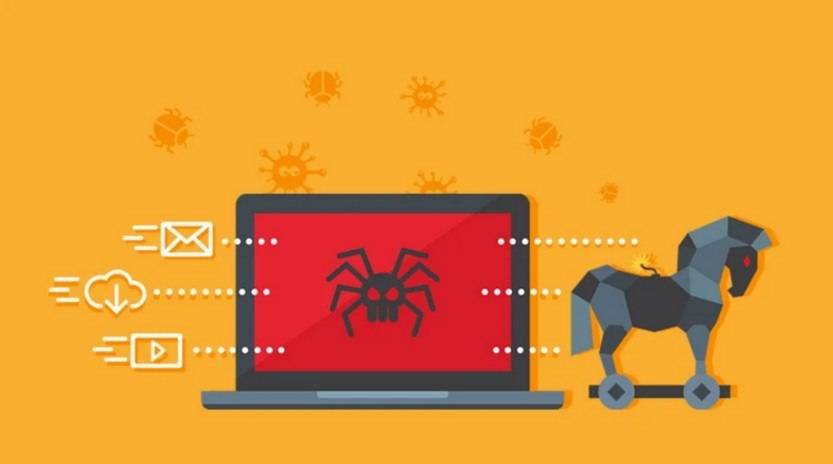
Upon opening the email, the recipient is presented with a message that claims there was a problem with the delivery of their package. The email often includes a request for the recipient to click on a link or download an attachment to resolve the issue. However, these links and attachments are malicious and can lead to various negative consequences, such as identity theft, financial loss, or the installation of malware on the recipient’s device.
How Does the Scam Work?
The USPS ‘Problem With Your Package’ Email Scam relies on social engineering techniques to manipulate recipients into taking action. Let’s take a closer look at the typical steps involved in this scam:
- The scammer sends out a large number of emails that appear to be from USPS, targeting individuals who have recently used USPS services or are expecting a package.
- The email subject lines are carefully crafted to create a sense of urgency and concern, prompting the recipient to open the email immediately.
- Upon opening the email, the recipient is presented with a message that claims there was a problem with the delivery of their package. The message often includes a request to click on a link or download an attachment for further details.
- If the recipient falls for the scam and clicks on the link or downloads the attachment, they are directed to a fake website or prompted to install malicious software.
- The fake website or software may request personal information, such as credit card details or social security numbers, which can then be used for fraudulent activities.
- In some cases, the downloaded software may install malware on the recipient’s device, allowing the scammer to gain unauthorized access to sensitive information or control the device remotely.
What to Do If You Have Fallen Victim?
If you have fallen victim to the USPS ‘Problem With Your Package’ Email Scam, it is crucial to take immediate action to minimize the potential damage. Here are the steps you should follow:
- Disconnect from the internet: If you suspect that you have downloaded malicious software, disconnect from the internet to prevent further communication between your device and the scammer.
- Scan your device for malware: Run a thorough scan of your device using reliable antivirus software, such as Malwarebytes Free, to detect and remove any malware that may have been installed.
- Change your passwords: Change the passwords for all your online accounts, especially those associated with financial or sensitive information. This will help prevent unauthorized access to your accounts.
- Monitor your accounts: Keep a close eye on your bank statements, credit reports, and other financial accounts for any suspicious activity. Report any unauthorized transactions or identity theft immediately.
- Report the scam: Inform the USPS and relevant authorities about the scam, providing them with any information you have, such as the email address or website used by the scammers.
Technical Details of the Scam
The USPS ‘Problem With Your Package’ Email Scam utilizes various techniques to deceive recipients and avoid detection. Here are some technical details of the scam:
- Email spoofing: The scammers often use email spoofing techniques to make the email appear as if it is coming from a legitimate USPS email address. This makes it more difficult for recipients to identify the scam.
- Malicious attachments: The attachments included in the email may be disguised as PDFs, Word documents, or ZIP files. These files often contain malware that can infect the recipient’s device when opened.
- Phishing websites: The links provided in the email may direct recipients to fake USPS websites that closely resemble the official USPS website. These websites are designed to trick users into entering their personal information.
- Malware installation: If the recipient downloads and executes the malicious software, it can install keyloggers, remote access tools, or other types of malware on their device, compromising their security and privacy.
Statistics on Email Scams
Email scams, including the USPS ‘Problem With Your Package’ Email Scam, have become a significant concern for individuals and organizations alike. Here are some statistics that highlight the prevalence and impact of email scams:
- According to the FBI’s Internet Crime Complaint Center (IC3), email scams accounted for over $1.8 billion in losses in 2020.
- The Anti-Phishing Working Group (APWG) reported that there were over 241,324 unique phishing attacks in the first quarter of 2021 alone.
- A study conducted by Verizon found that 94% of malware was delivered via email attachments.
- According to the 2021 Data Breach Investigations Report by Verizon, 36% of data breaches involved phishing attacks.
Conclusion
The USPS ‘Problem With Your Package’ Email Scam is a sophisticated scheme that preys on the trust people have in USPS. By understanding how this scam works and taking necessary precautions, such as being cautious of

Join the discussion
0 commentsShare your experience or ask a question about this article.
Discussion
Start the conversation
Have a question or something useful to share? Add the first comment.